
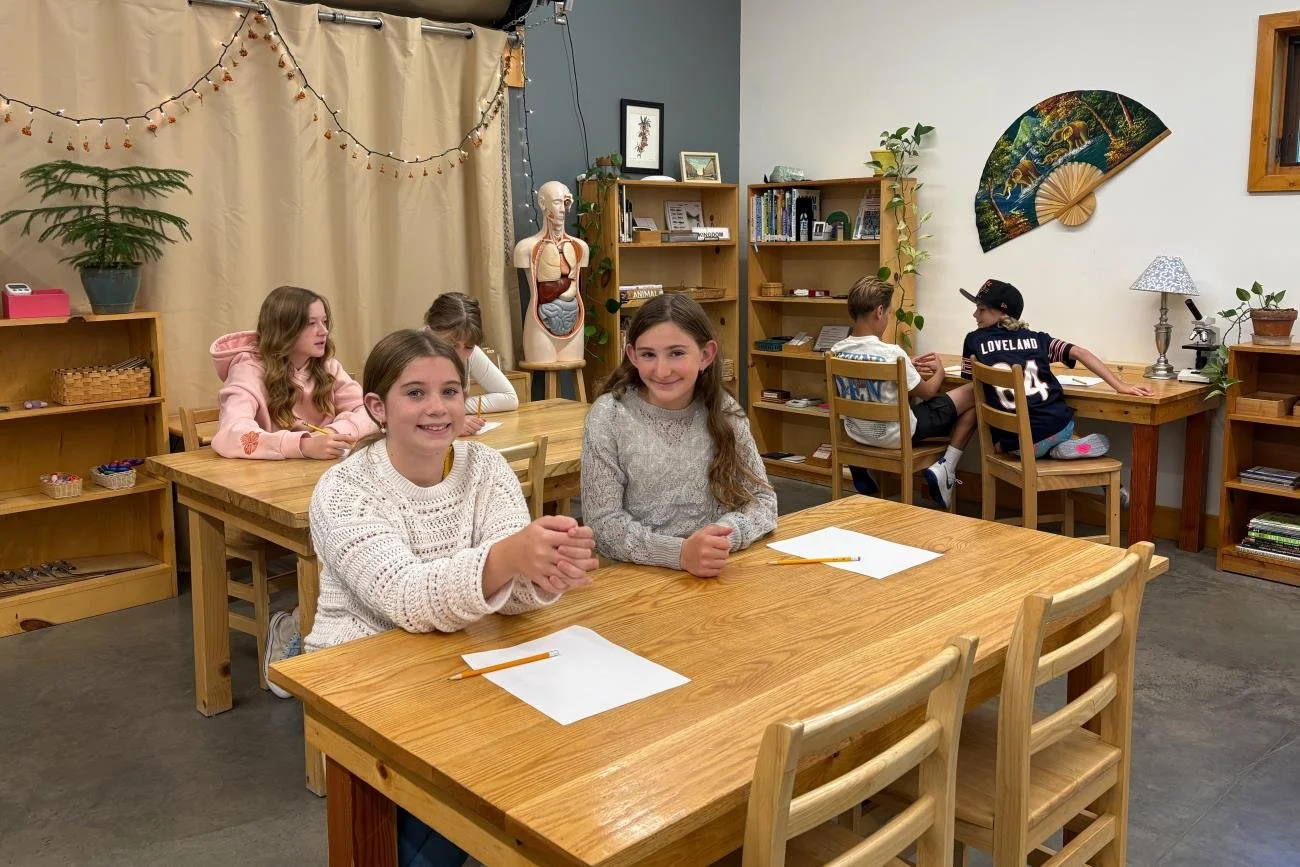
Montessori: the OG Social Emotional Learning Educational Model
Sit in a Montessori classroom at any level, and you will find a beautifully prepared and organic orchestration of children engaging with one another, concentrating independently on their chosen activity, or interacting in a small group lesson with their trained guide. If you think about how these environments function, you will quickly see social and emotional learning in plain sight.
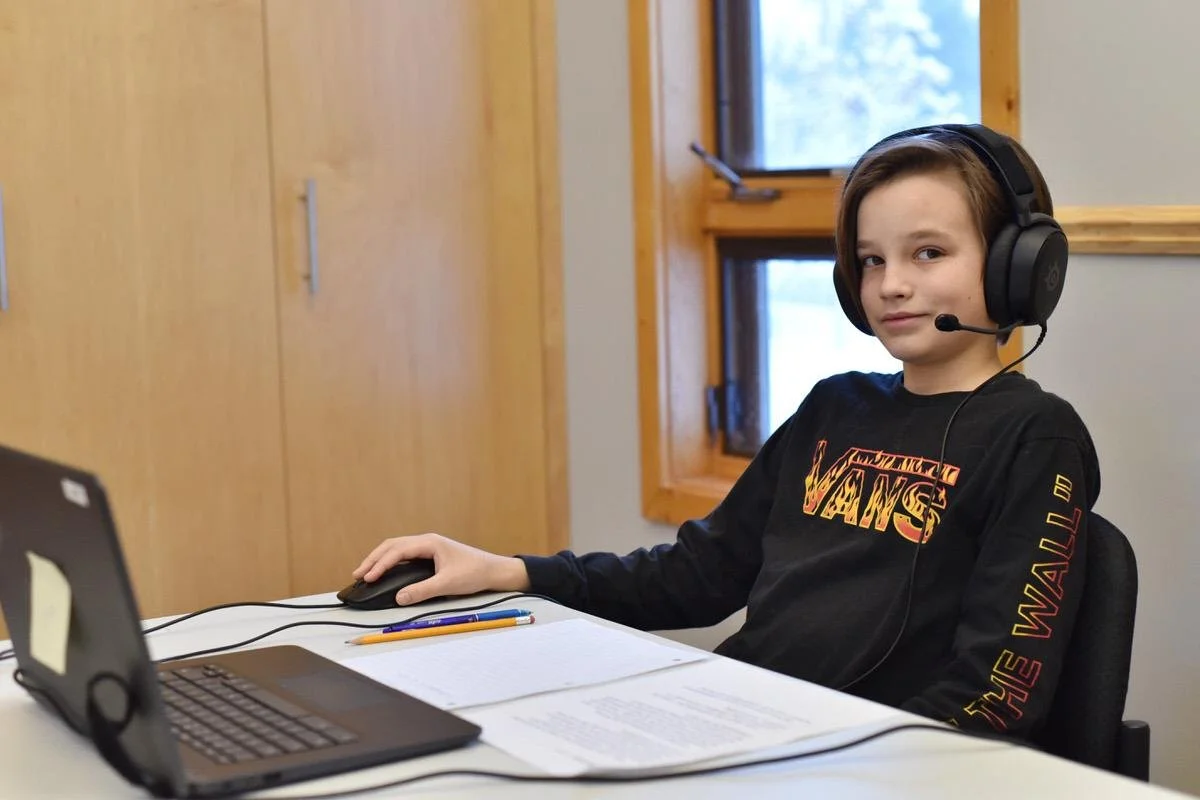
Safely navigating screen time, cell phones, and the digital world
Read below for some tips for parents, assembled by our Mental Health Consultant, Trisha Short, MA, LPC, IMH-E (II), on how we can protect our children from the hidden risks of overuse and ensure they develop a balanced, safe relationship with technology.
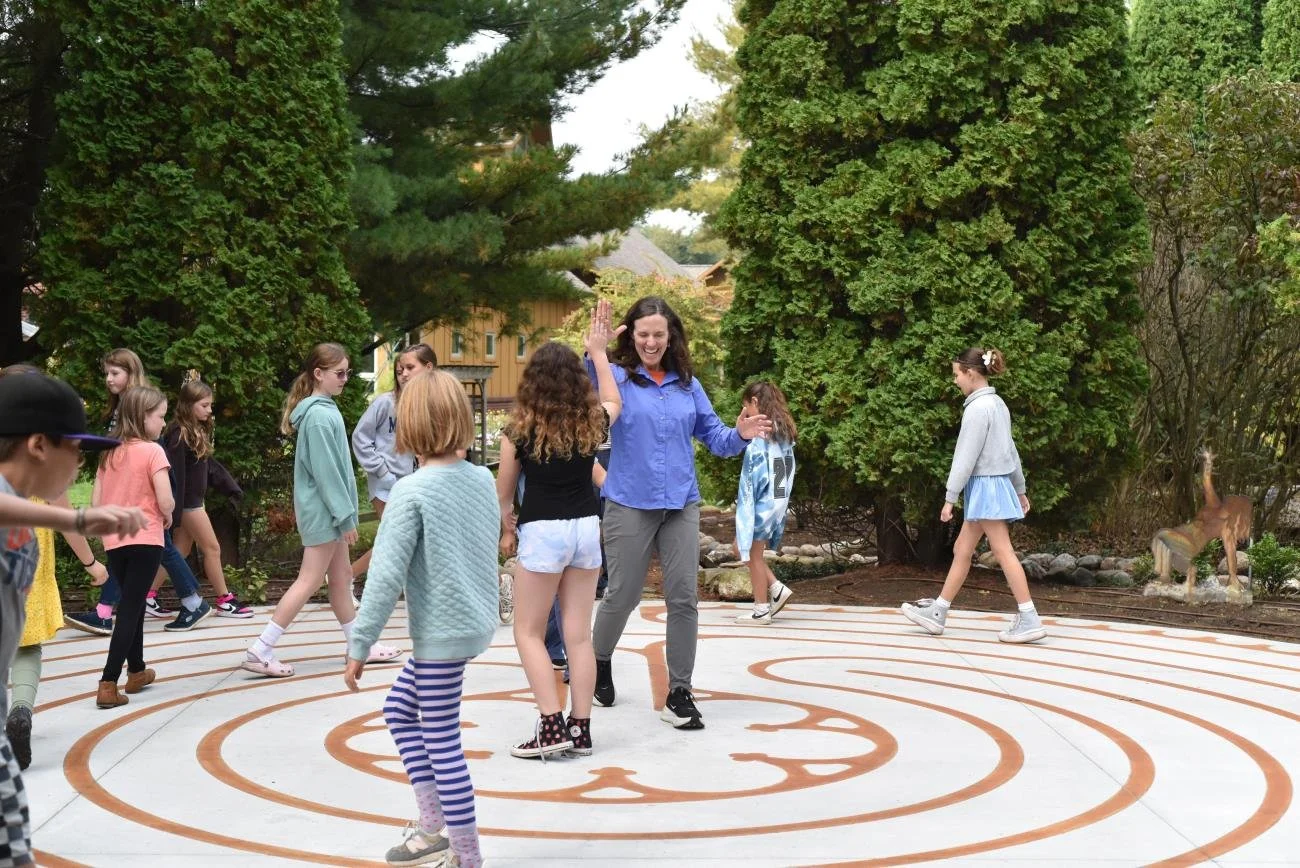
Our new labyrinth: A path to peace and discovery
We are excited about the new addition to our outdoor learning environment, a beautiful, winding labyrinth. This offers our students a designated space for meditation, reflection, and quiet moments in their busy school day and fits well with our new MindUP curriculum. It's a natural extension of our Montessori philosophy, which values a child's need for purposeful work and a connection to the natural world.
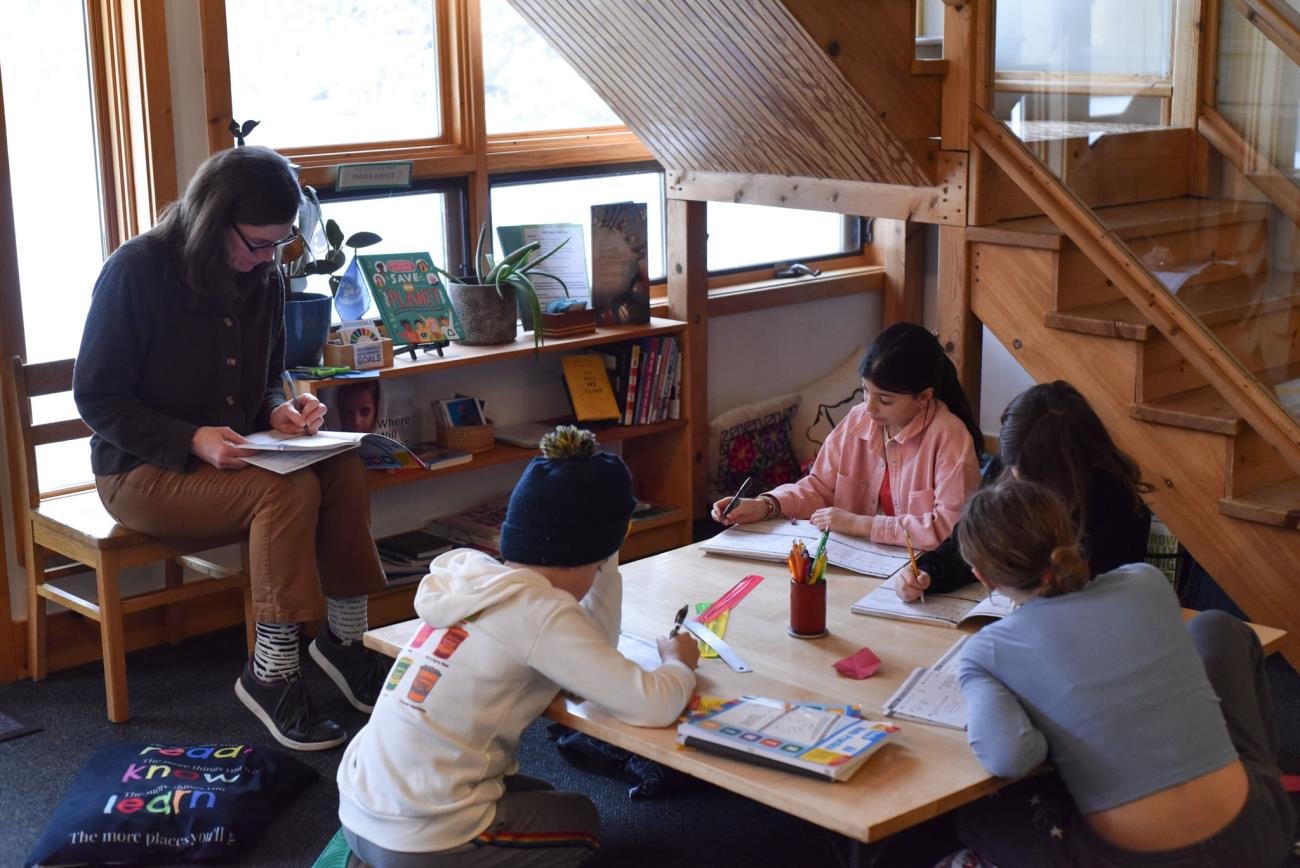
A Montessori Approach to Discipline
When sharing with friends or relatives that your child attends a Montessori school, you may have fielded the question, “They get to do whatever they want, don’t they?” This misperception of the concept of freedom with responsibility also invokes a more traditional definition and expectation of what discipline looks like at school.
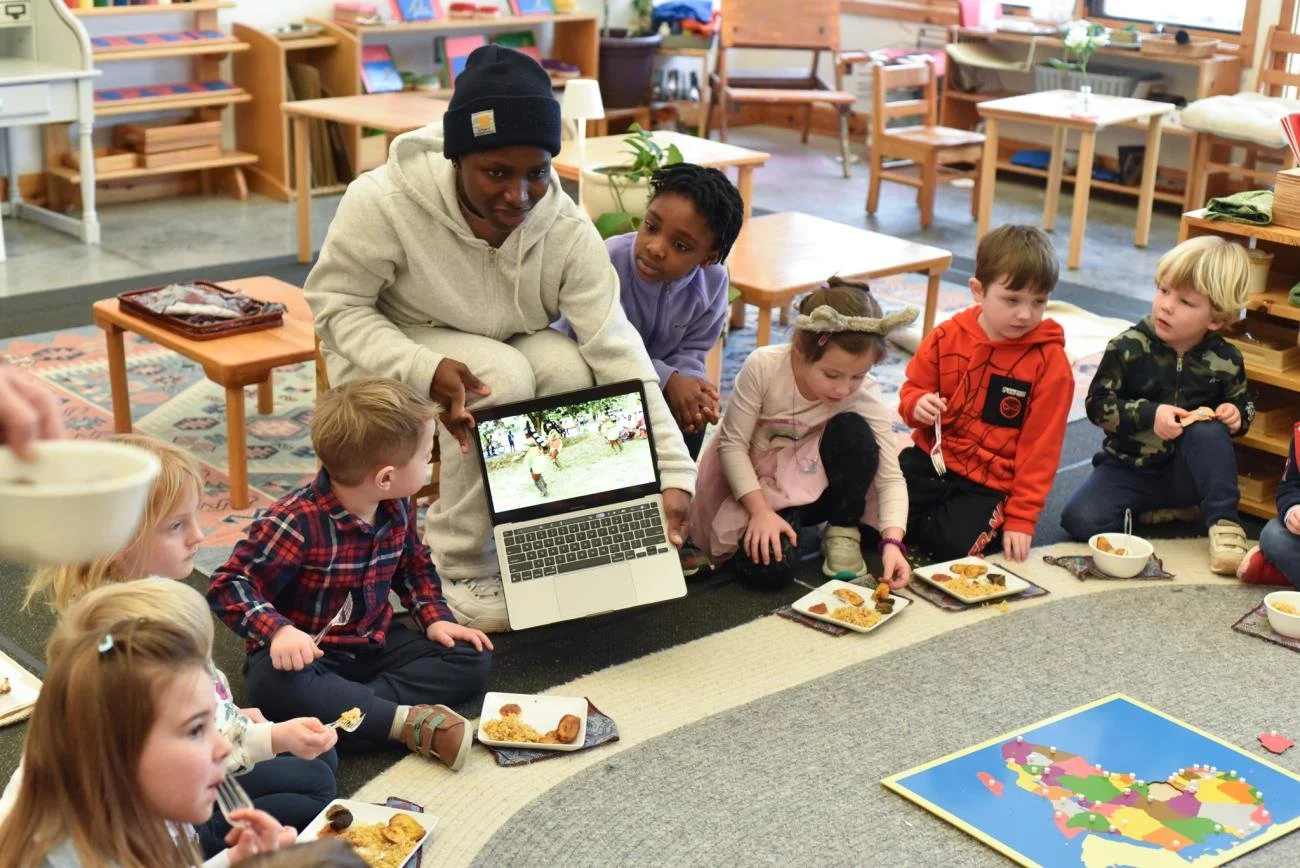
Incorporating Diversity into the Montessori Classroom
“The needs of mankind are universal. Our means of meeting them create the richness and diversity of the planet. The Montessori child should come to relish the texture of that diversity”
- Maria Montessori