Montessori: the OG Social Emotional Learning Educational Model
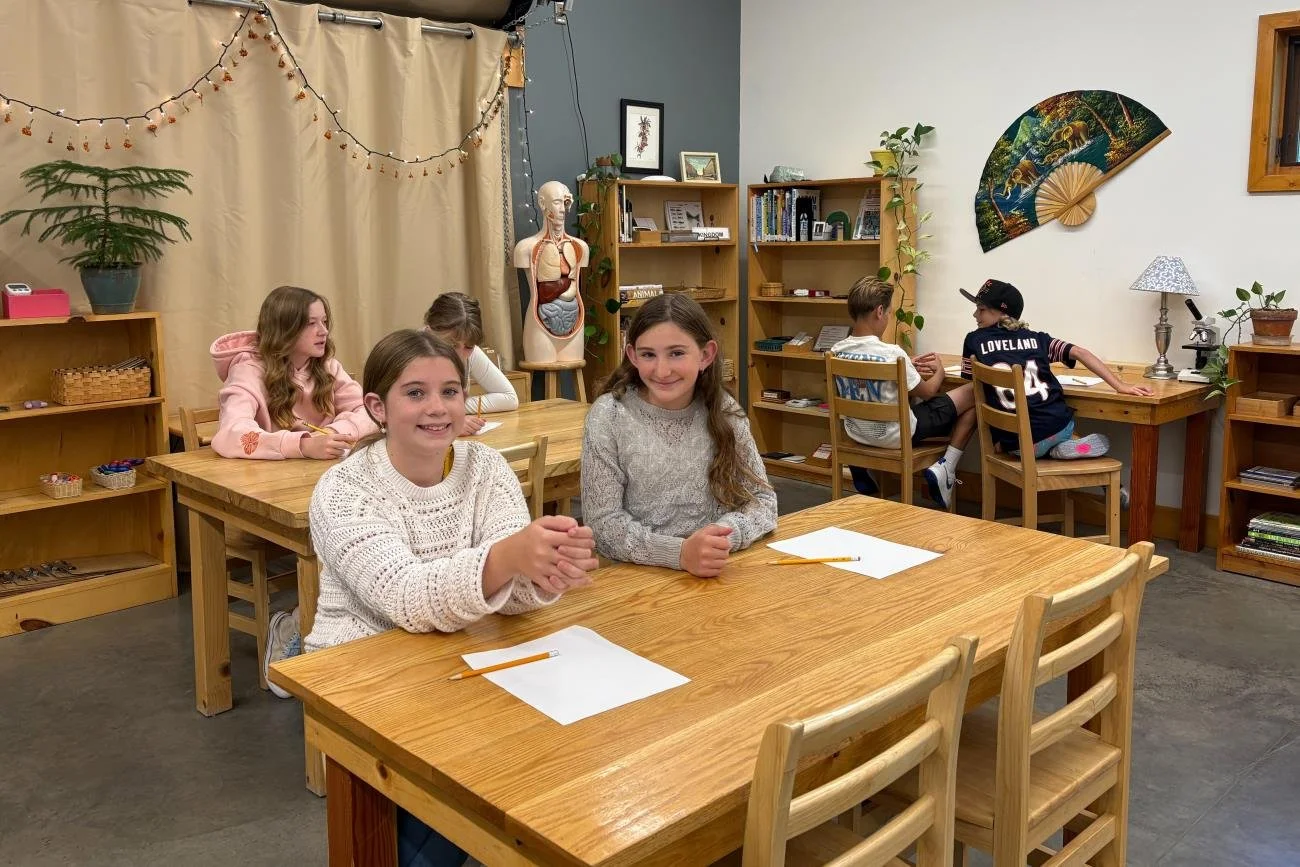
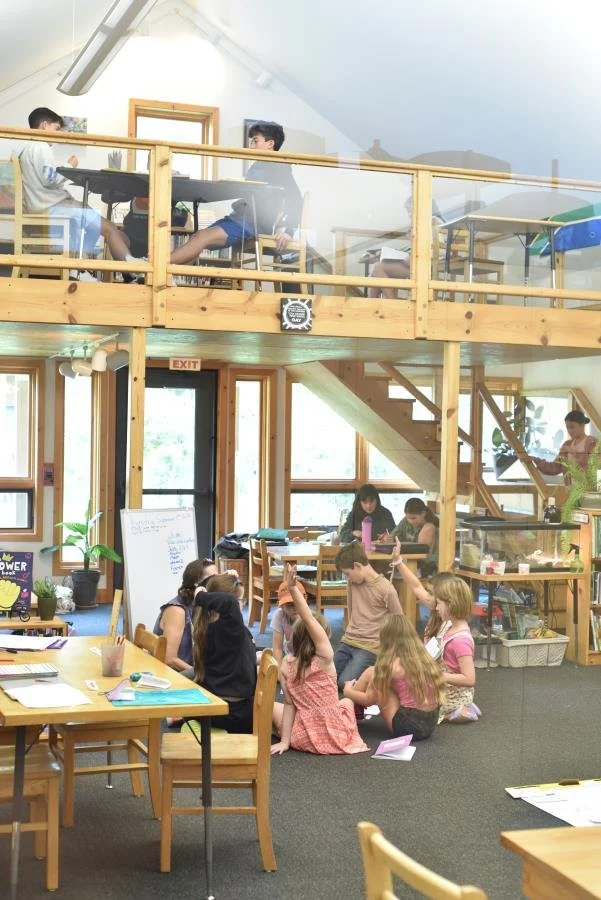
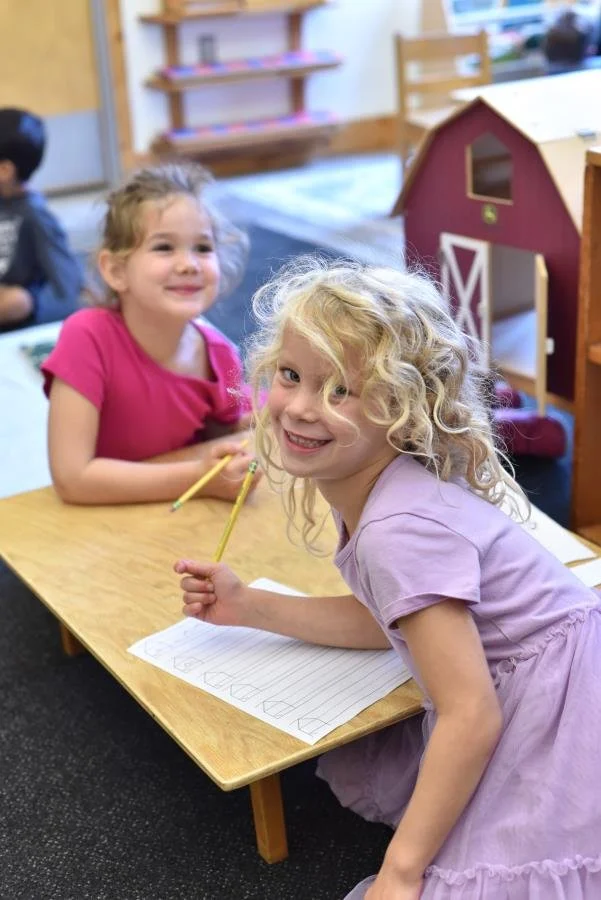
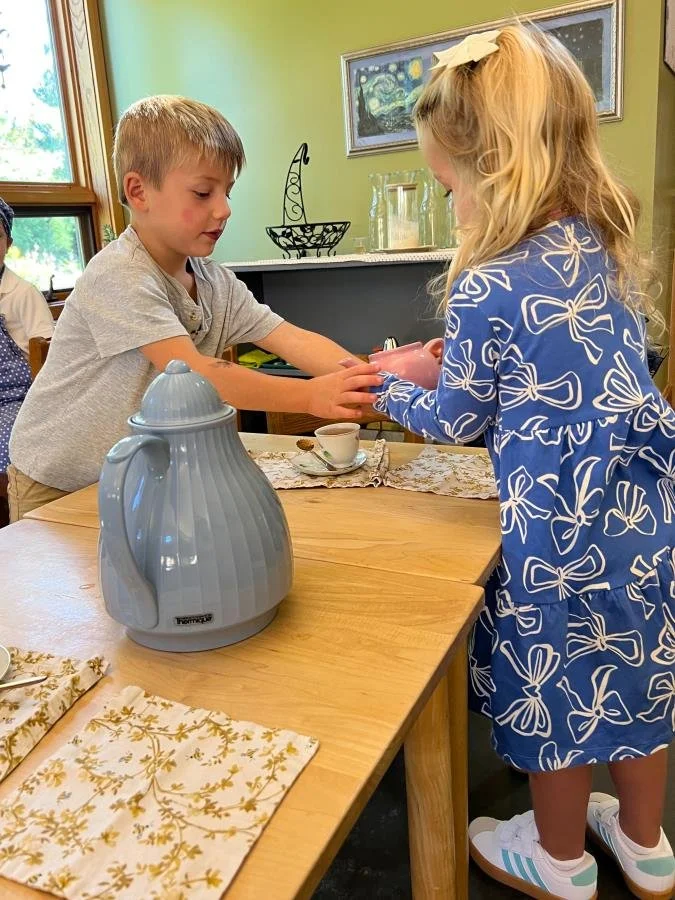
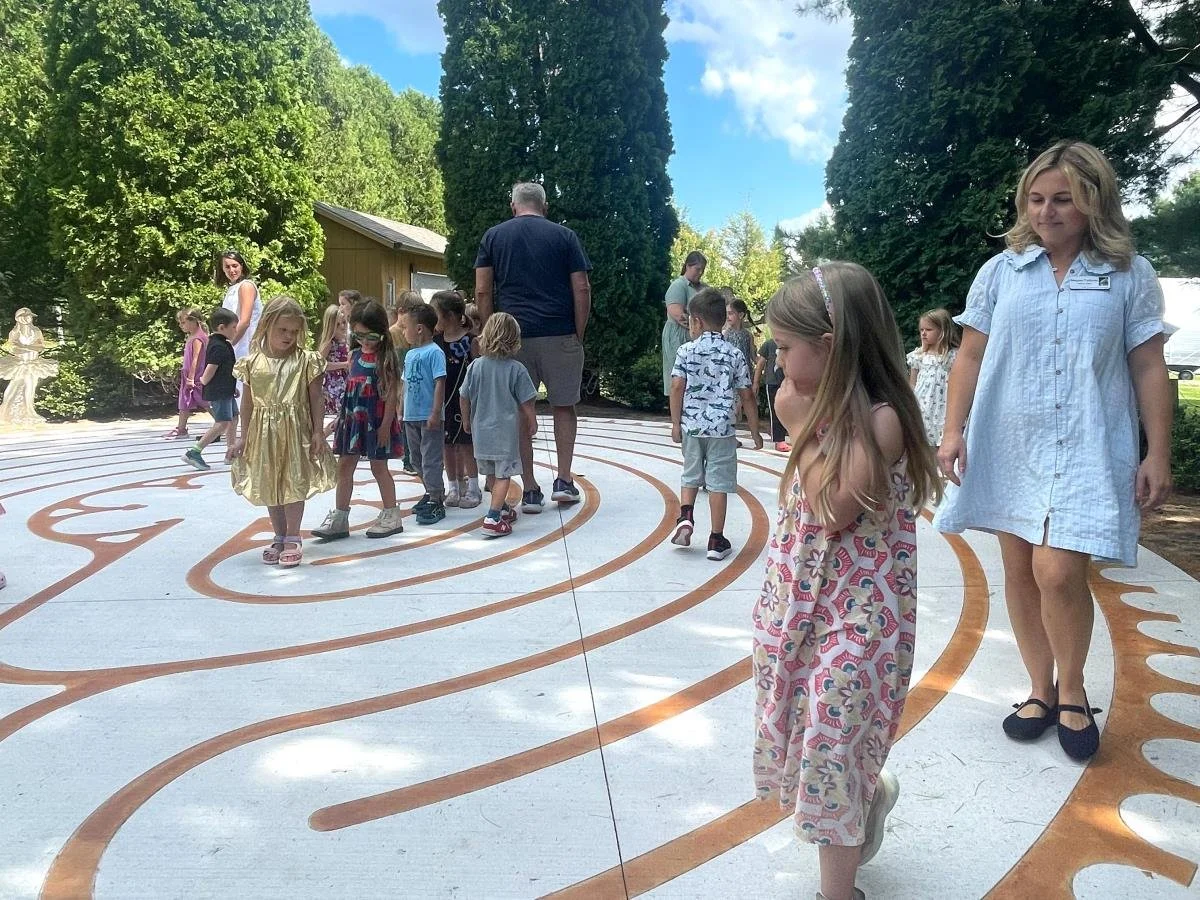
Sit in a Montessori classroom at any level, and you will find a beautifully prepared and organic orchestration of children engaging with one another, concentrating independently on their chosen activity, or interacting in a small group lesson with their trained guide. If you think about how these environments function, you will quickly see social and emotional learning in plain sight.
In a time when increasing emphasis is being placed on the importance of learning models that include opportunity for learning not only academics, but also how to relate with one another through collaboration, agency, and self-regulation, Montessori was a century ahead of her time. It is truly embedded in the educational model in several ways:
Mixed Age Classroom Environments:
In a Montessori classroom, the oldest members of the community provide guidance and support for the younger children. This symbiotic relationship is mutually beneficial, giving confidence and opportunity for empathy to the mentor, while offering comfort and nurturing to the mentee.
Agency Over Learning:
Learners in Montessori environments are empowered to make their own choices for their work with the guidance of caring adults and peers. This fosters independence, confidence, resilience, self-regulation, and relationship building.
Grace and Courtesy:
At the youngest ages, learners learn how to live in community. Lessons in Grace and Courtesy are explicitly taught to children, allowing them to build the skills for caring for themselves, one another, and contributing to their community in a positive way. You might see a Guide sitting on the floor in a circle with four children, saying to the group, “Today, I am going to show you what to say to someone who hurts your feelings.” This is modeled by the Guide first, and practiced by the children. This way, when the child has an experience of hurt feelings, they have been pre-coached in what to say and do.
Mindfulness:
Taking moments of silence to listen to the rain, waiting patiently for your name to be called to come join the circle, and participating in learning about the brain and how to learn skills of self-calming and regulation, empower children to become self-aware and have tools to know what to do when they feel overwhelmed or anxious.
This year, in addition to all the built-in social and emotional learning in our prepared environments, The Children’s House and Compass Montessori Junior High are implementing the MindUp curriculum, which intentionally teaches children about their brains, understanding perspectives of others, expressing gratitude, and tools for self-regulation.
In our lightning-fast-paced digital world, the importance of social and emotional learning is more important than ever. The inherent ways Montessori education offers real opportunities for this learning is another clear demonstration of the visionary that Dr. Montessori was.