Autonomy Education
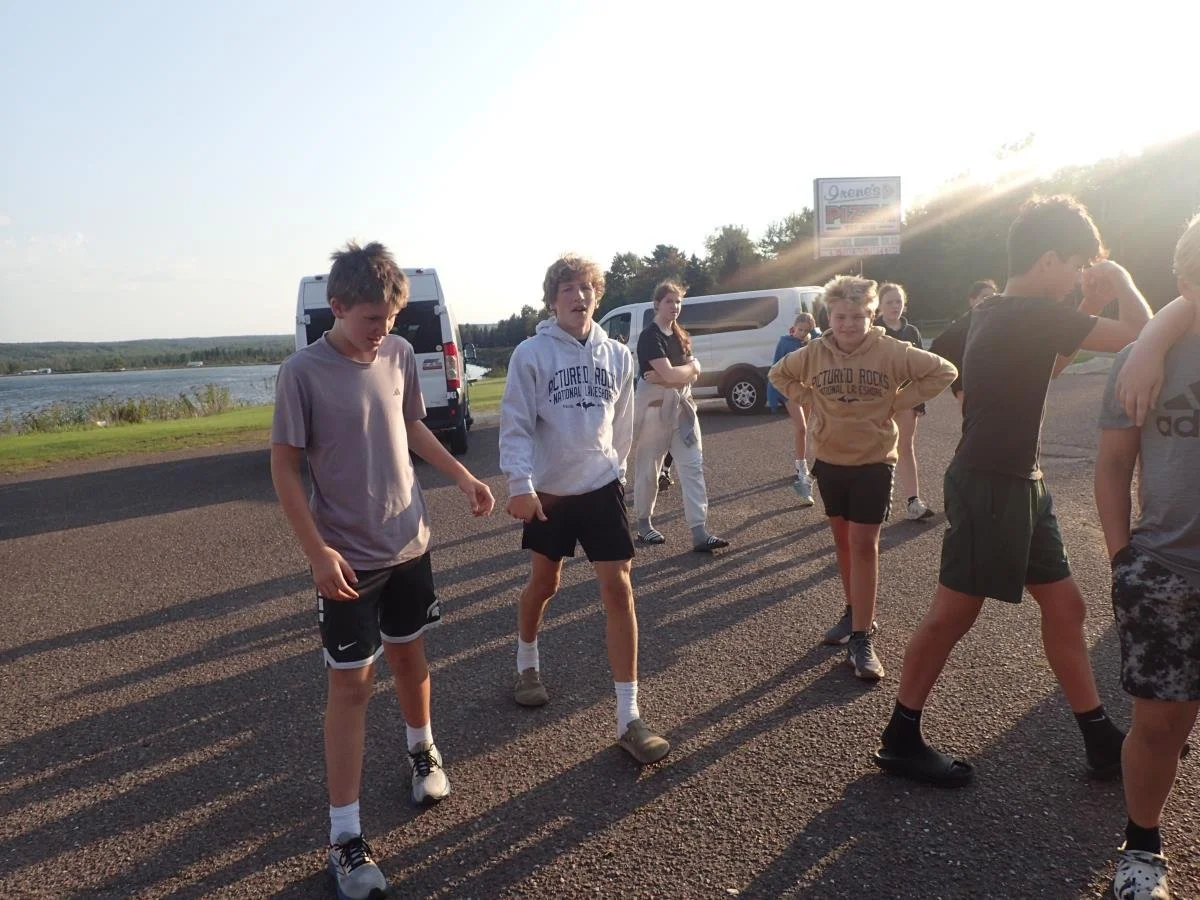
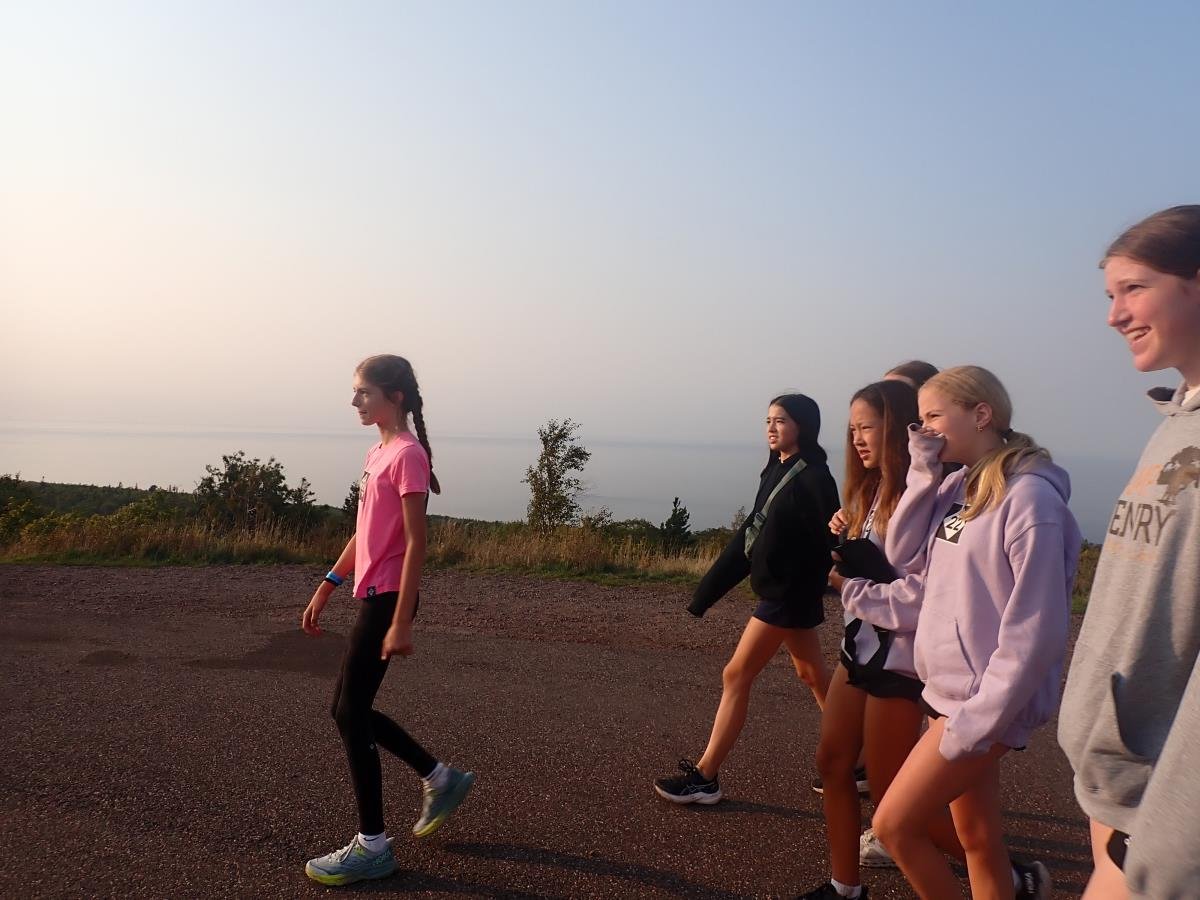
Having recently watched the new Bob Dylan biopic, A Complete Unknown, my mind is highly attuned to the realities of being a young person in a rapidly changing world. I left the movie deep in thought, thinking back at how I felt when I was first introduced to “The Times They Are A-Changin” when I was exactly the same age as my students at Compass Montessori Jr. High. Not unlike the early 1960s, the world today, and thus teenagers today, are experiencing massive cultural and technological transformations.
It is easy to forget that adolescents experience these changes very differently from adults as they are biochemically hardwired to blaze their own trails, question the status quo, and create their own culture that distinguishes them from the adults in their life (especially their parents). Moreover, adolescents’ brains experience a neuroplasticity that allows them to adapt to change much better than the fully formed adult brain. Add to this the as-yet-to-be fully understood impacts of fast-paced, high stimulus, globally integrated technologies, and you have the perfect combination for a profoundly different iteration of Homo sapiens. In short, adolescents today are as, if not more different from their parents and grandparents as Bob Dylan was from his.
In watching A Complete Unknown, I was not-so-subtly reminded that my job as an adult, and especially as a Montessori guide, is to “lend a hand” to these next generations and do my best to understand, not judge, and even better, to be curious about the way they experience the world. Dr. Montessori reminds us to “follow the child,” as they are, not as we might hope for them to be. With this in mind, we must remember that the adolescents that we once were, were essential to the adults we are today.
Having said all this, it remains essential to support adolescents in navigating new technologies, and to provide the boundaries young people have, and will always need in order to safely explore the parameters of their personal identities, as well as their aspirations for the future. At Compass Jr. High we do this by providing as many opportunities as we can muster for self-exploration and expression, while also pushing our students outside (sometimes well outside) their comfort zones. Our most powerful tool in this effort is building community, and engaging with a diversity of other communities here in Michigan, and well beyond the borders of our State. And while modern adolescents may, indeed have much to teach us about the future that they will create, we too have much to teach them about how to be a good citizen of that future, even if we ourselves may not quite understand it… yet.