3 Week Theater Intensive for Elementary
Jump to: 2026 Highlights | Student Updates
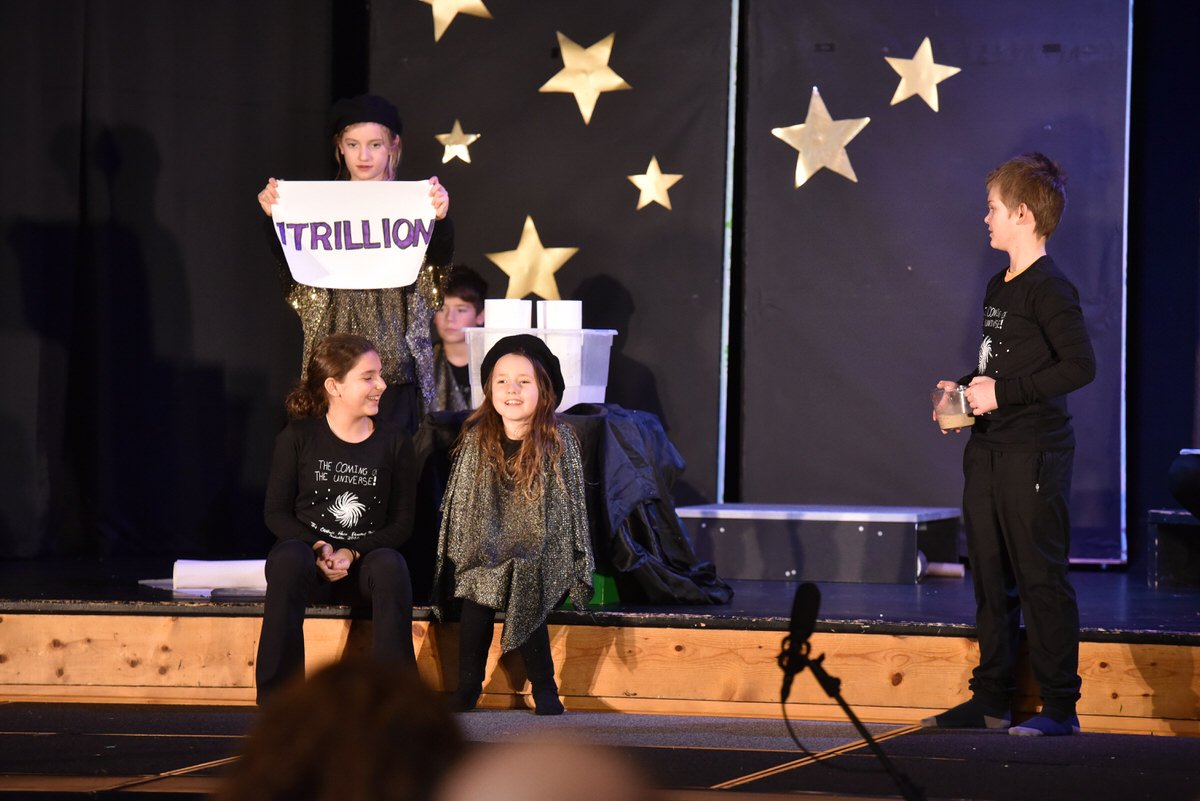
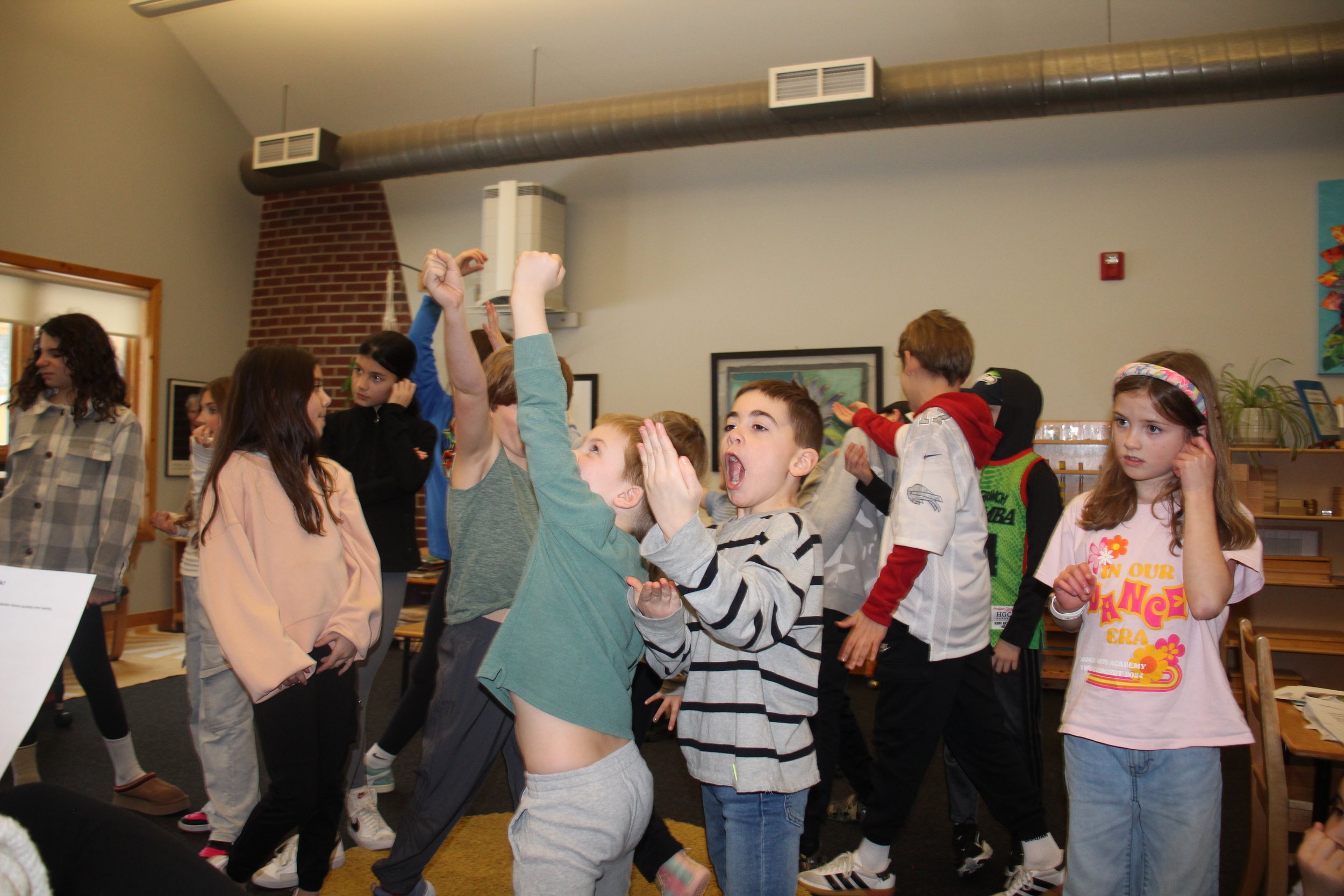
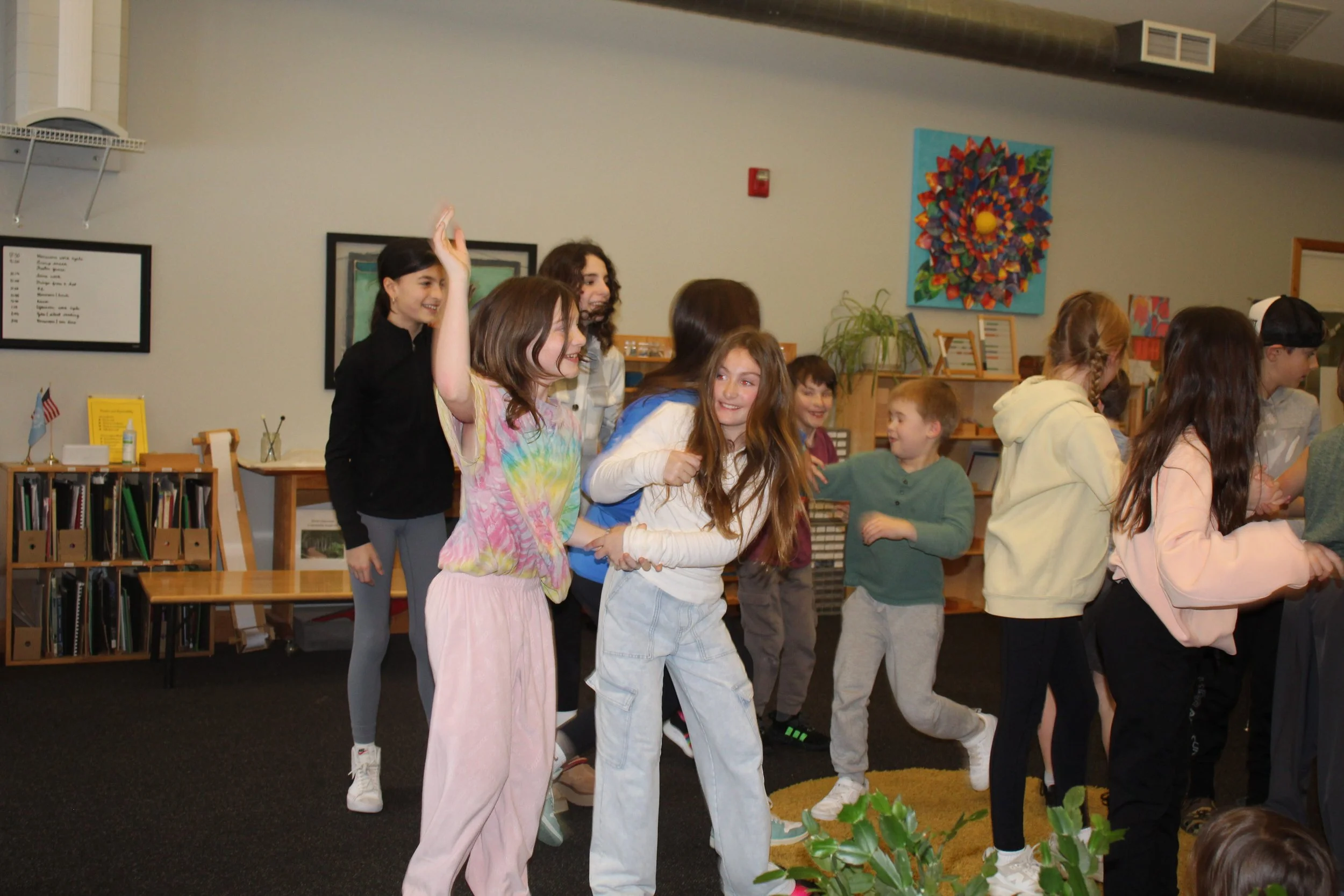
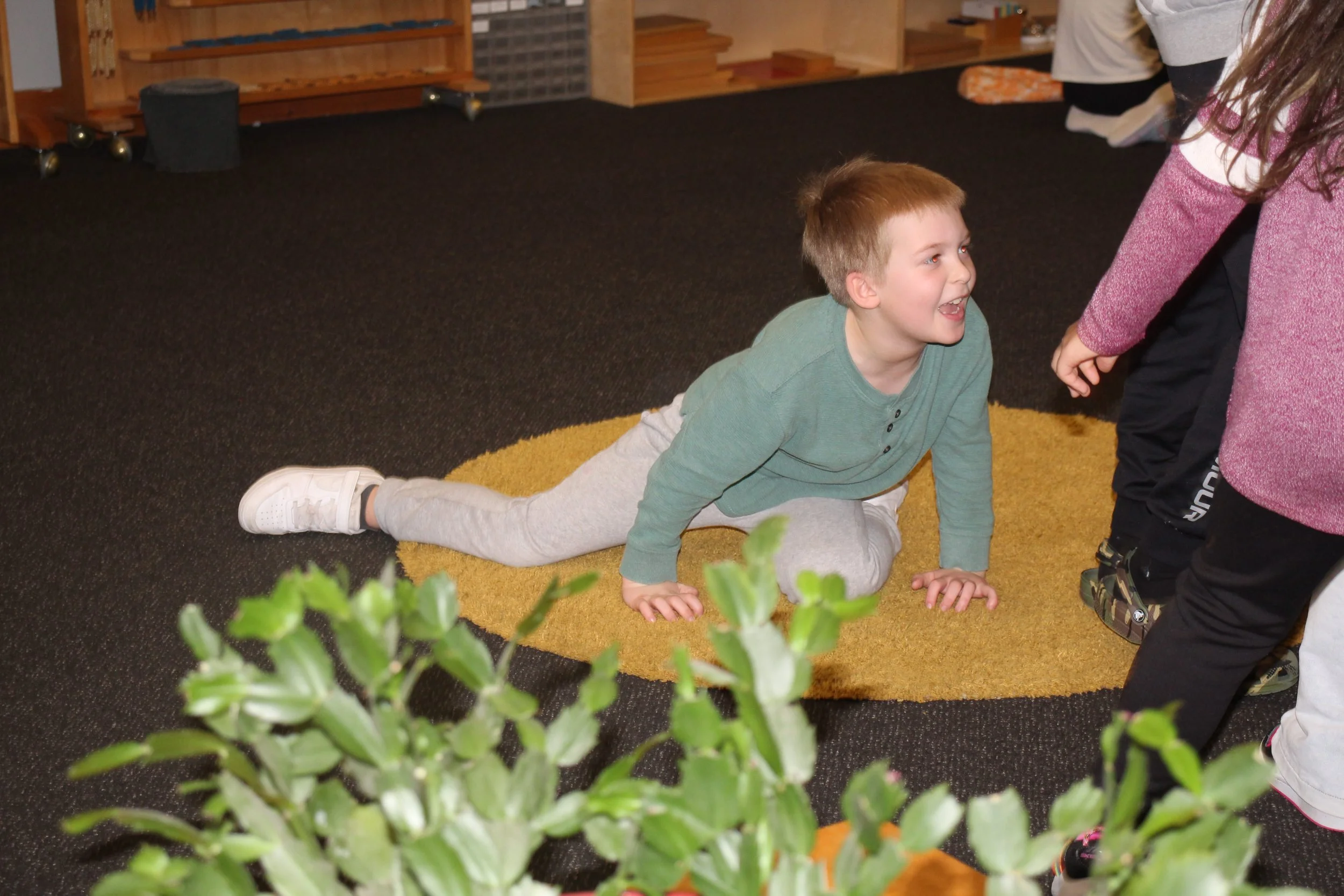
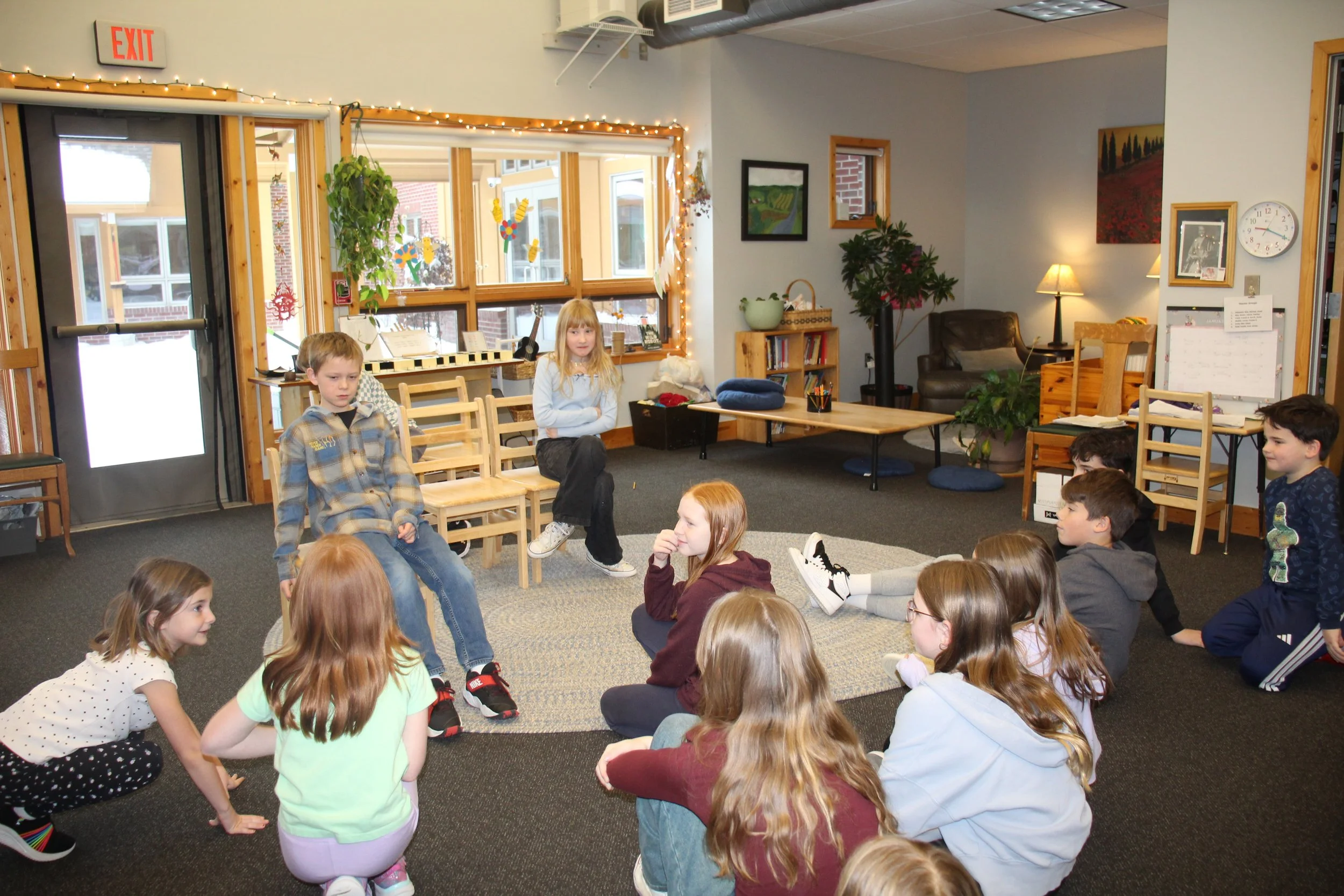
Elementary learners take the stage for our first Theater Intensive!
Why Theater?
Theater offers elementary-aged students powerful opportunities to build essential life skills, including confidence, communication, creativity, and collaboration. Learners develop self-esteem by speaking in front of others and strengthen communication skills through voice projection, body language, active listening, and clear expression. By embodying characters and exploring the Great Stories, students foster imagination, generate new ideas, and deepen understanding. Collaboration is central, as 1st through 6th year students work together in each scene, sharing responsibility for a unified production. Throughout rehearsals and performances, learners also develop problem-solving, critical thinking, adaptability, concentration, commitment, and attention to detail.
Theater Intensive Overview
This year marks the beginning of something new, something exciting, and something truly big.
This new immersive curricular program will engage all our Elementary students in a three-week Theater Intensive and result in a performance for families.
Everyone will be on stage at some point, but learners get to choose what feels right for them. Maybe it’s a lot of lines, or just a few. Maybe they want to sing, or do gymnastics, move set pieces, run sound, or play an instrument. Whatever their talent is, there’s a place for it in this story.
In addition to being a part of a large production and being on stage, students will have integrated lessons on math, geometry, reading, public speaking, music, art and more! We can’t wait to share updates with you along the way and the grand finale performance.
Curricular Integration
Every step in the production process will integrate lessons on a variety of subjects. Much of the set design and character and plot development involves exploring scientific, mathematical, and geometric concepts. Learners can expect lessons on:
Artists
Musicians/composers
Genre of dance/movement
Genre of music
Ratio (distance of the sun to earth)
Geometry (measurement of angles for a set or painting)
Perspective
Geography lessons (deeper lessons on solids, liquids, gases, as we talk more deeply about the universe and formation of the earth)
Specific geography lessons (types of volcanoes, plate tectonics, ring of fire, rock cycle, water cycle)
And more...
The Great Stories
The Great Stories serve as a foundation for child-directed study within Cosmic Education. Rather than teaching a single lesson, they unfold in many directions—sparking curiosity, inviting emotional connection, and helping children develop a sense of belonging and purpose. By offering hope and a vision of each child’s unique cosmic task, these stories support self-construction and foster appreciation for the countless contributors to life on Earth.
Our Theater Intensive will be a five-year rotation of The Great Stories. Five foundational, large-scale narratives designed to spark imagination and provide a “big picture” of the universe, life, and humanity’s place within them.
Universe
Life
Humans
Language/Communication
Mathmatics
Year 1: The Universe, Solar System, and The Earth
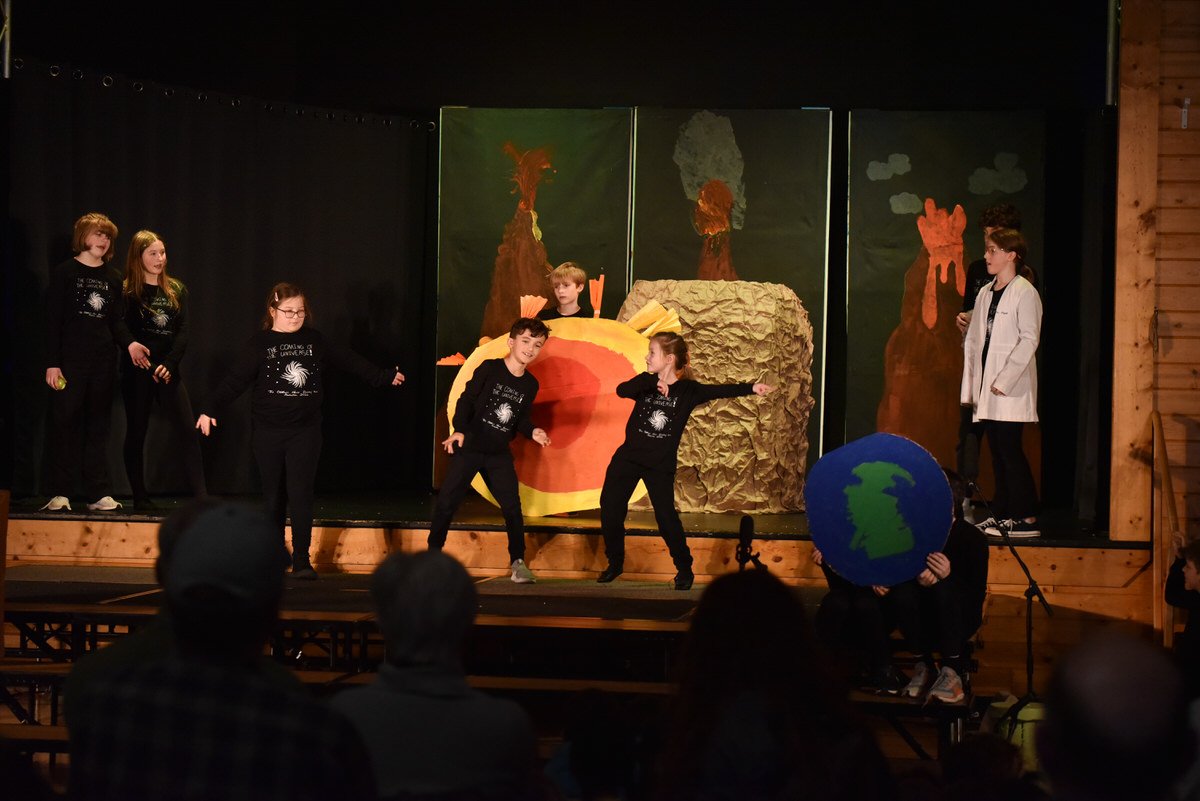
The First Great Story, The Coming of the Universe, is an epic journey that began billions of years ago. Through hands-on experiments, visual charts, and a rich allegorical narrative, children are introduced to the universe with a sense of awe grounded in scientific understanding. Designed by Montessori, the story orients children to the vastness of the cosmos, reveals the laws that govern it, and places Earth within this grand context—opening the door to all fields of human knowledge and inquiry.
Montessori urged educators to “give the child a vision of the whole universe,” reminding us that all things are connected and form a unified whole.
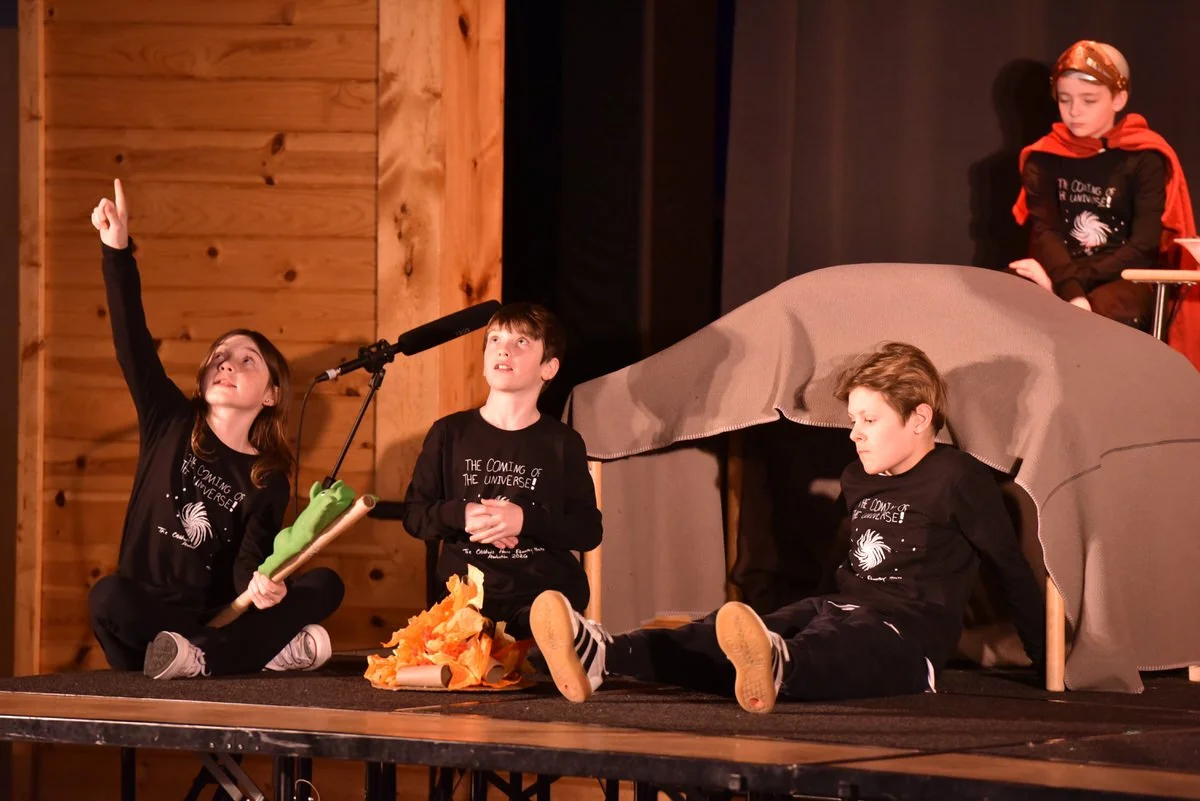
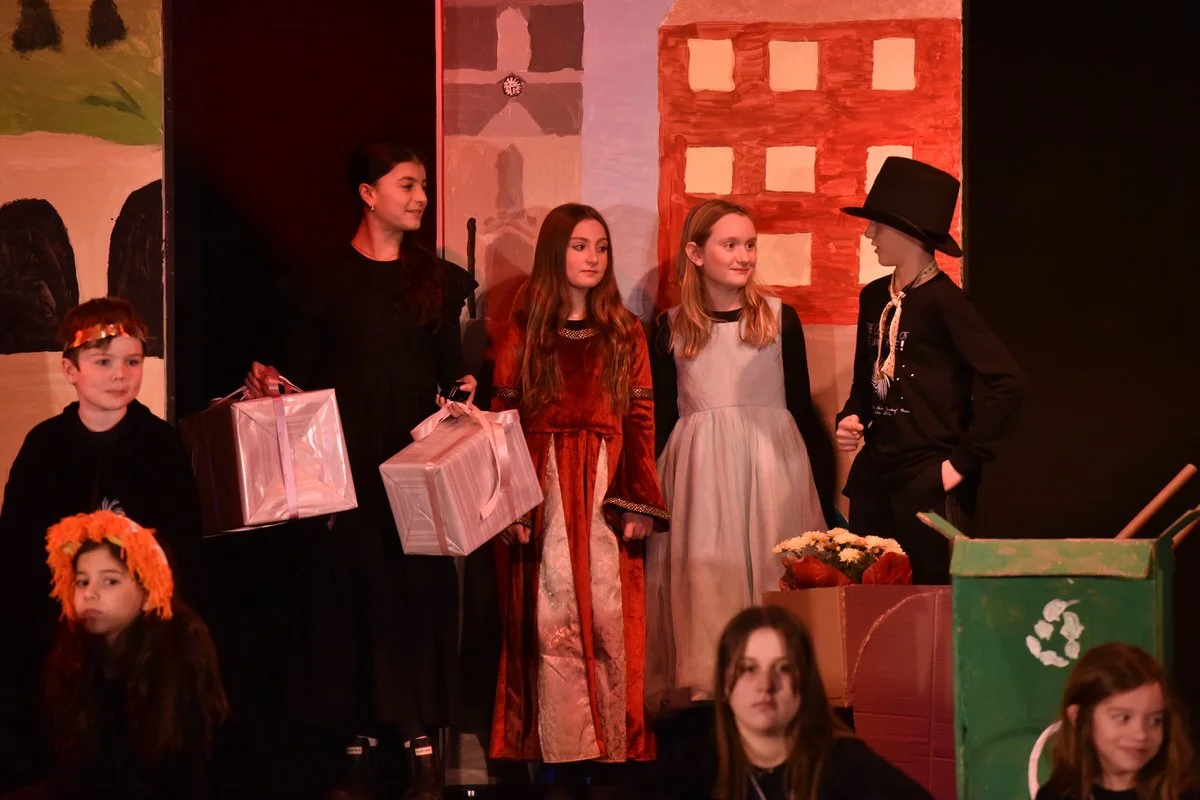
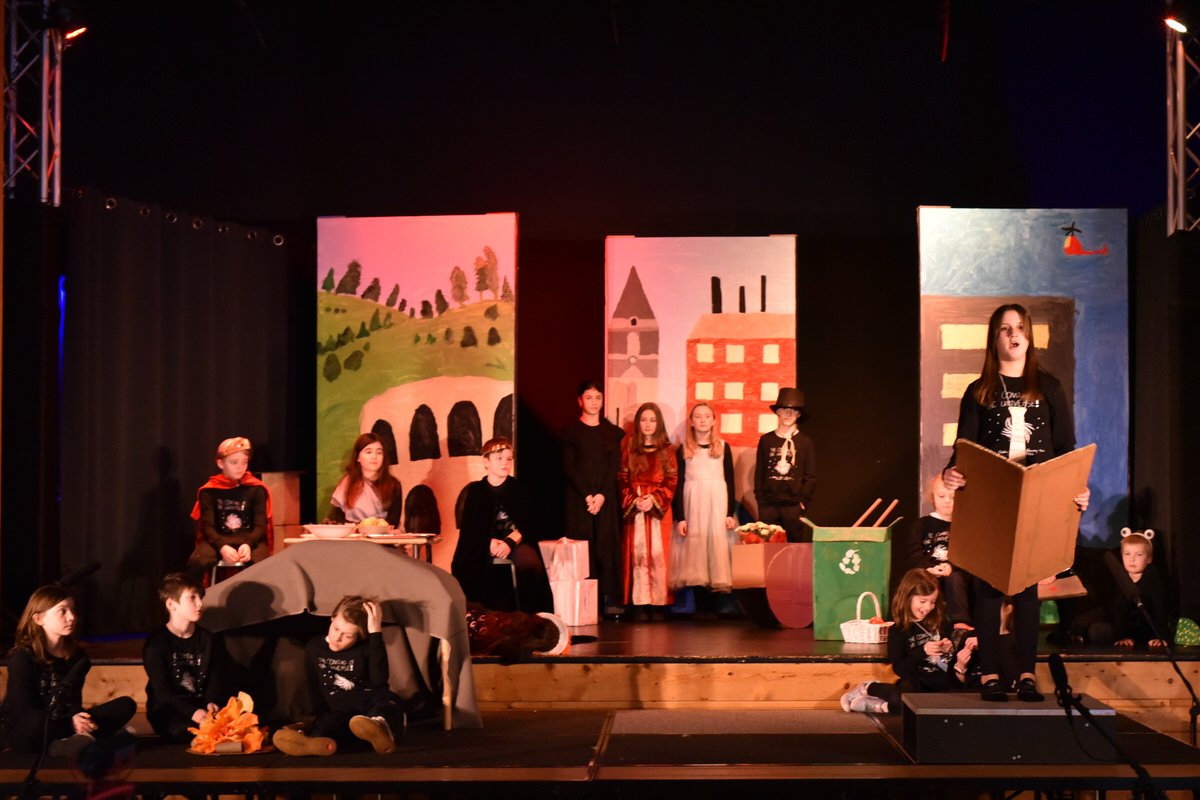
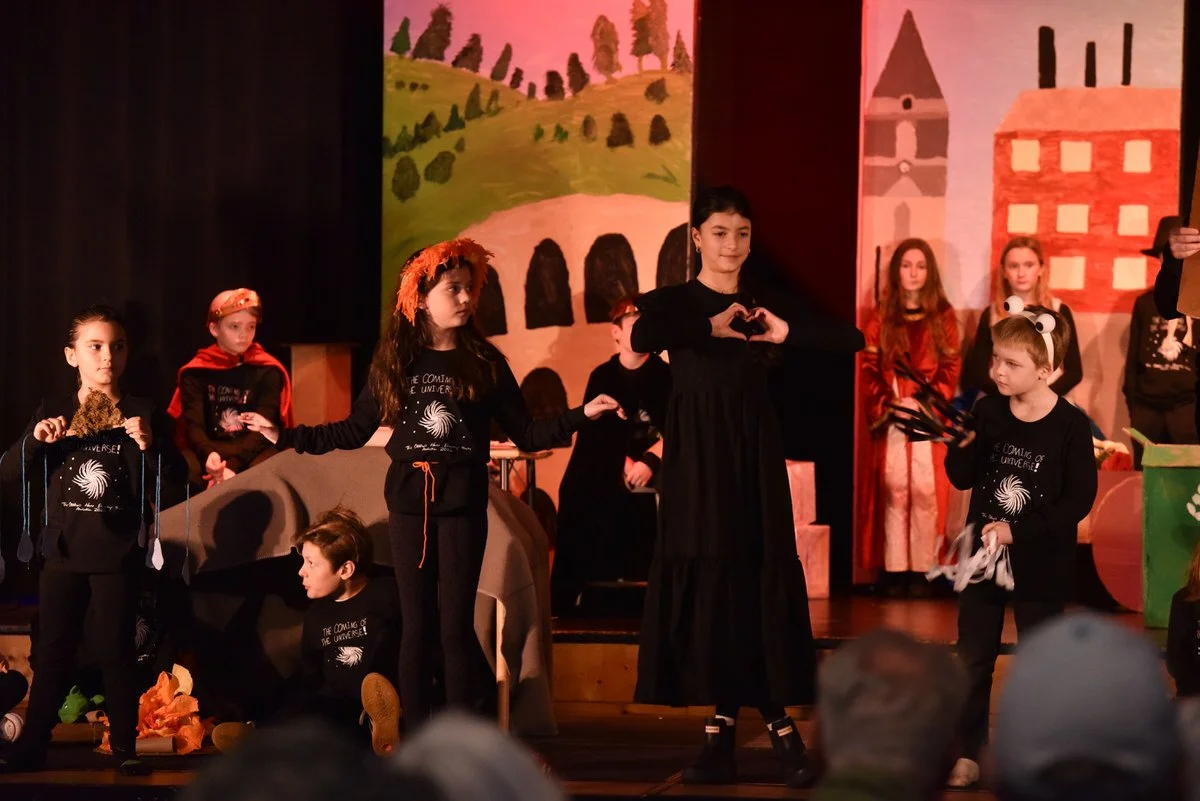
This story comes to life through a cast of characters that includes Early Human families, a Roman family, families from the 1700s–1800s, and modern day, as well as personified elements of nature such as Mountains, Air, Water, Fire, Lichens, Flowers, and birds. Characters also include narrators, scientists, laws of the universe, states of matter, volcanoes, and more.
Maria Montessori wrote, “If the idea of the universe be presented to the child in the right way, it will do more than just arouse interest; it will create admiration and wonder—a feeling loftier than any interest and more satisfying.” (To Educate the Human Potential).
2026 Theater Intensive Highlights
Scene 1
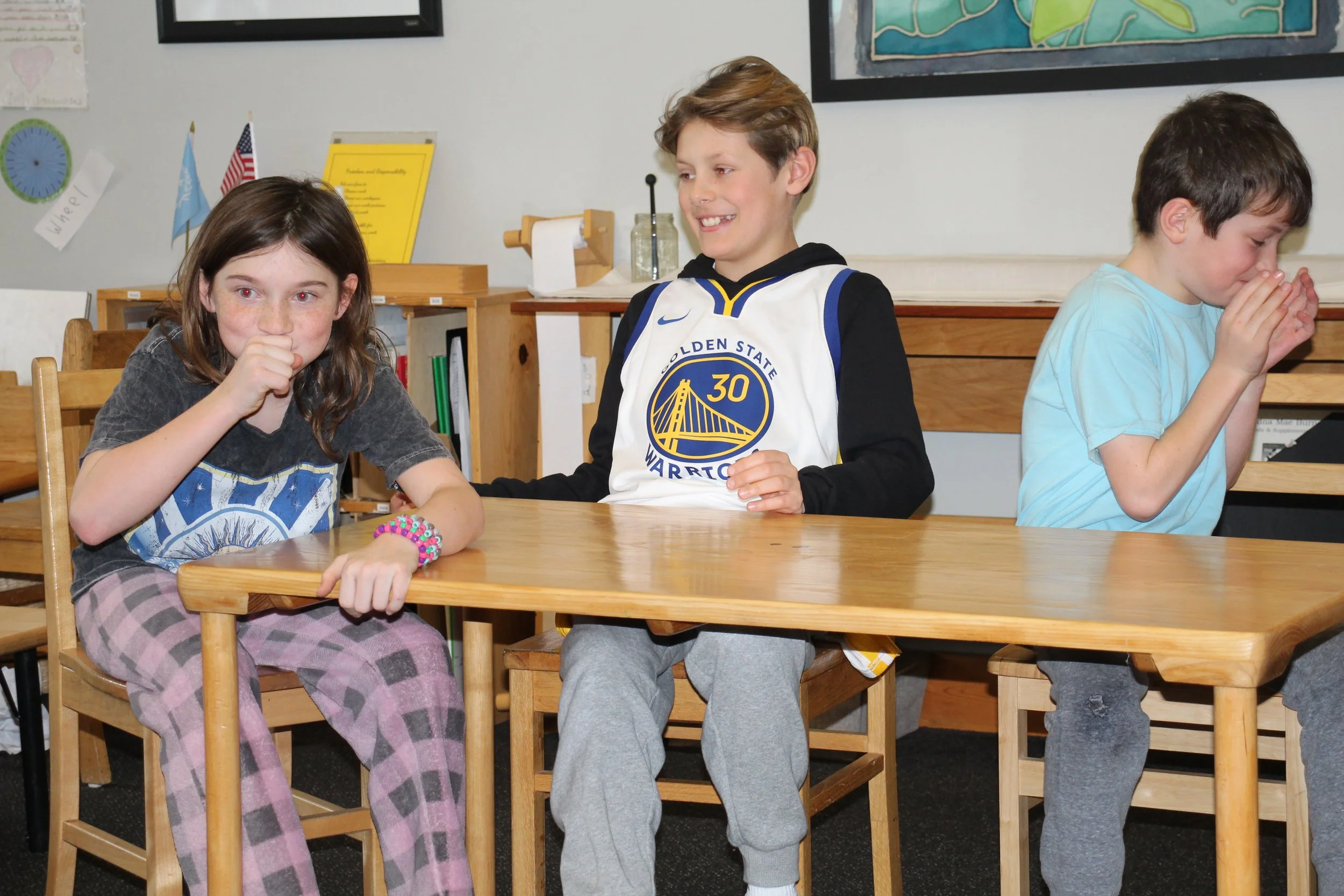
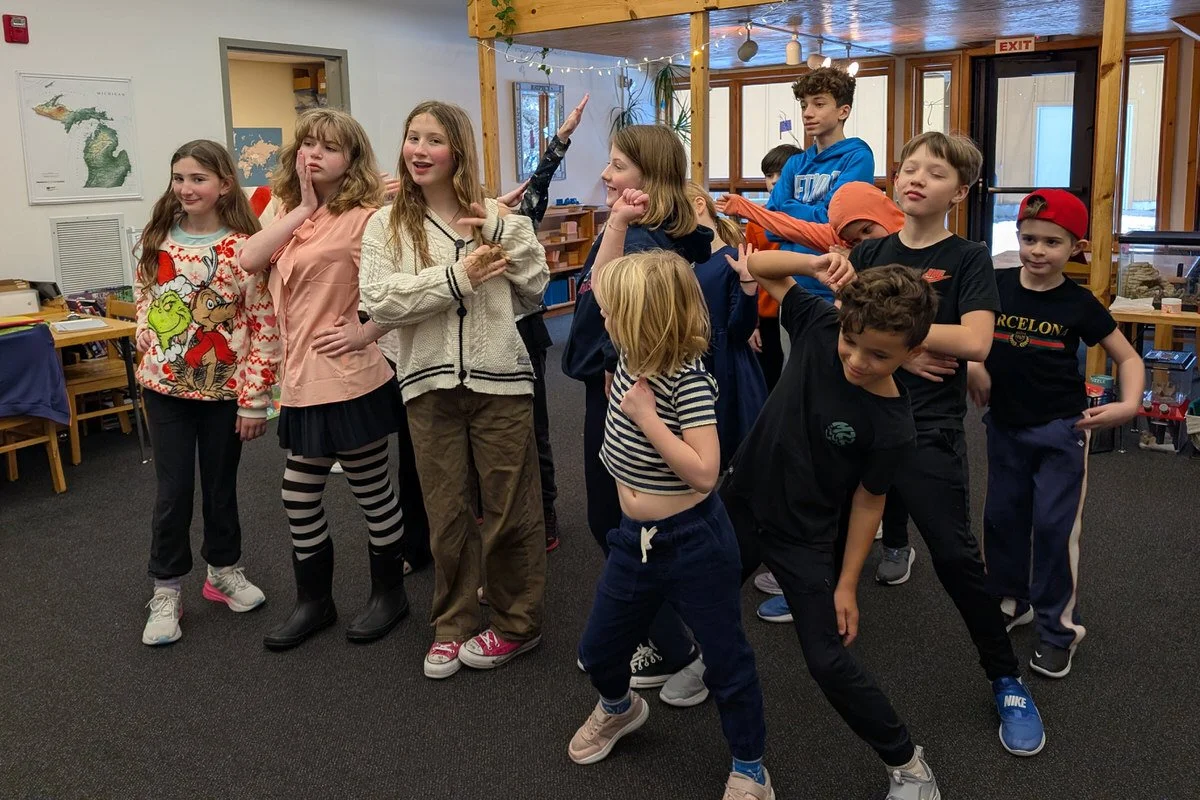
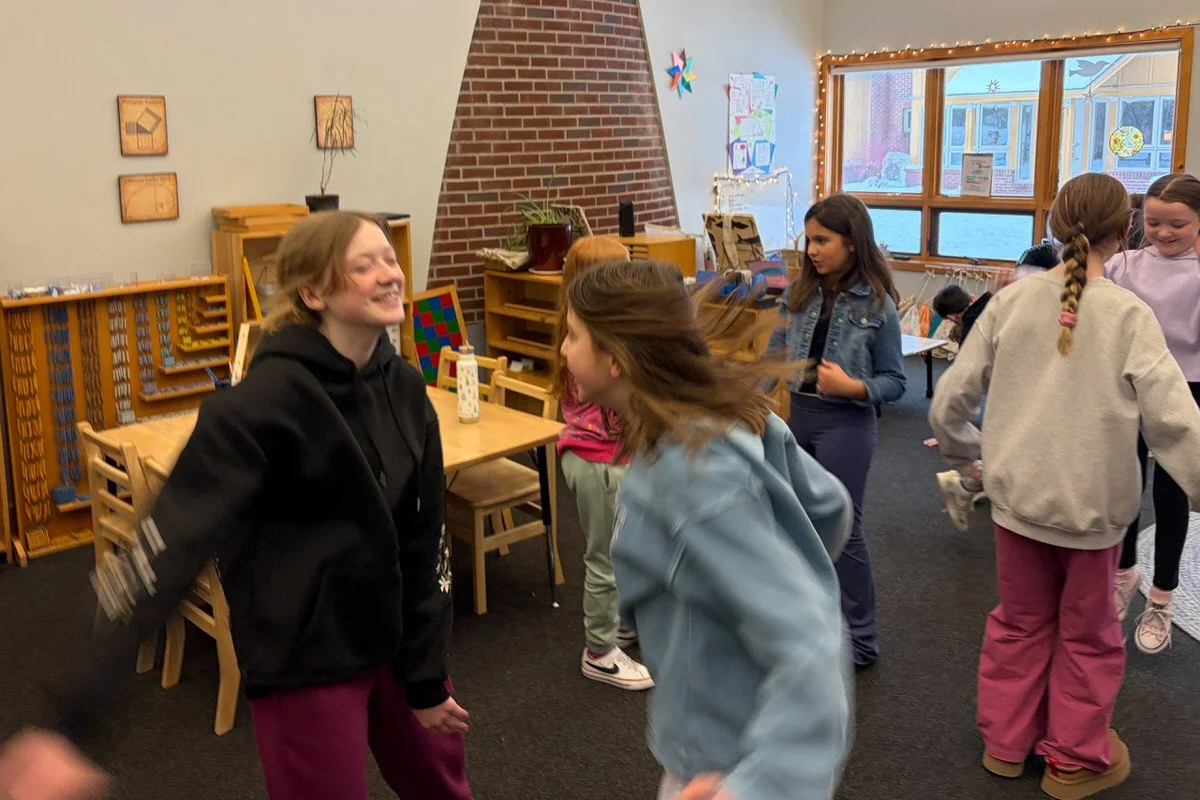
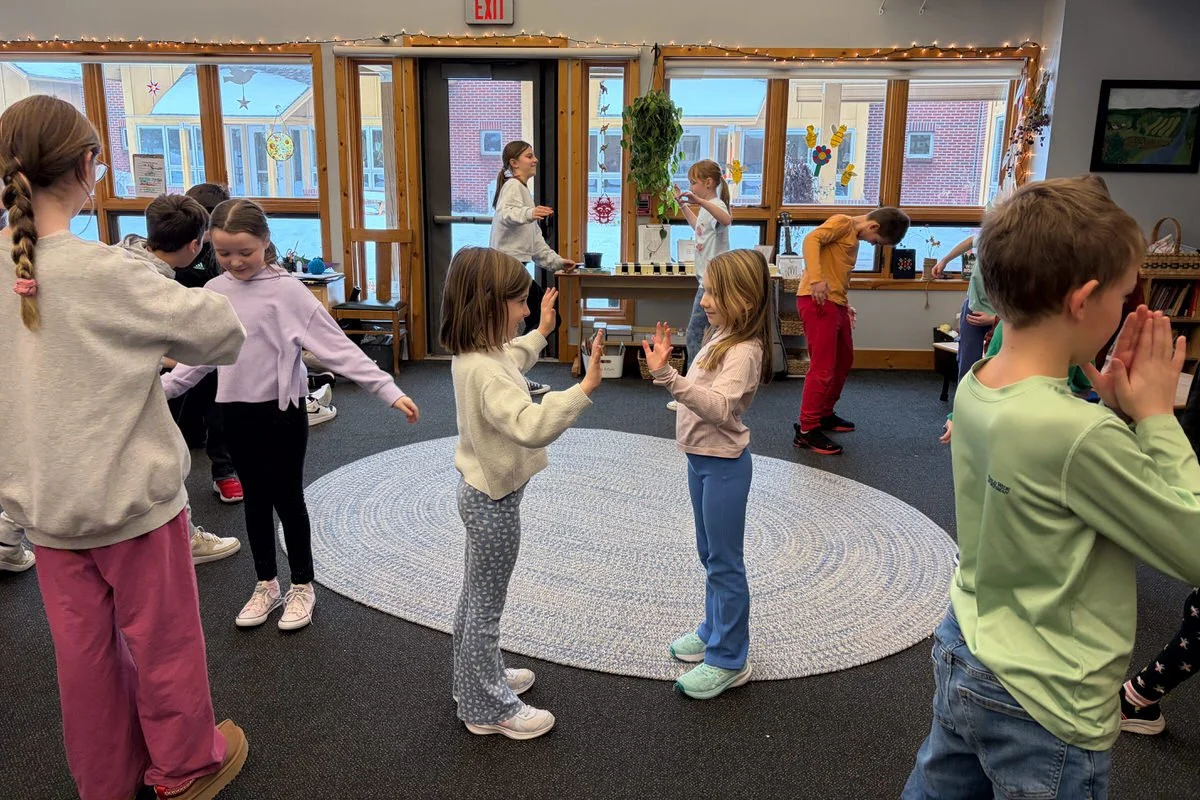
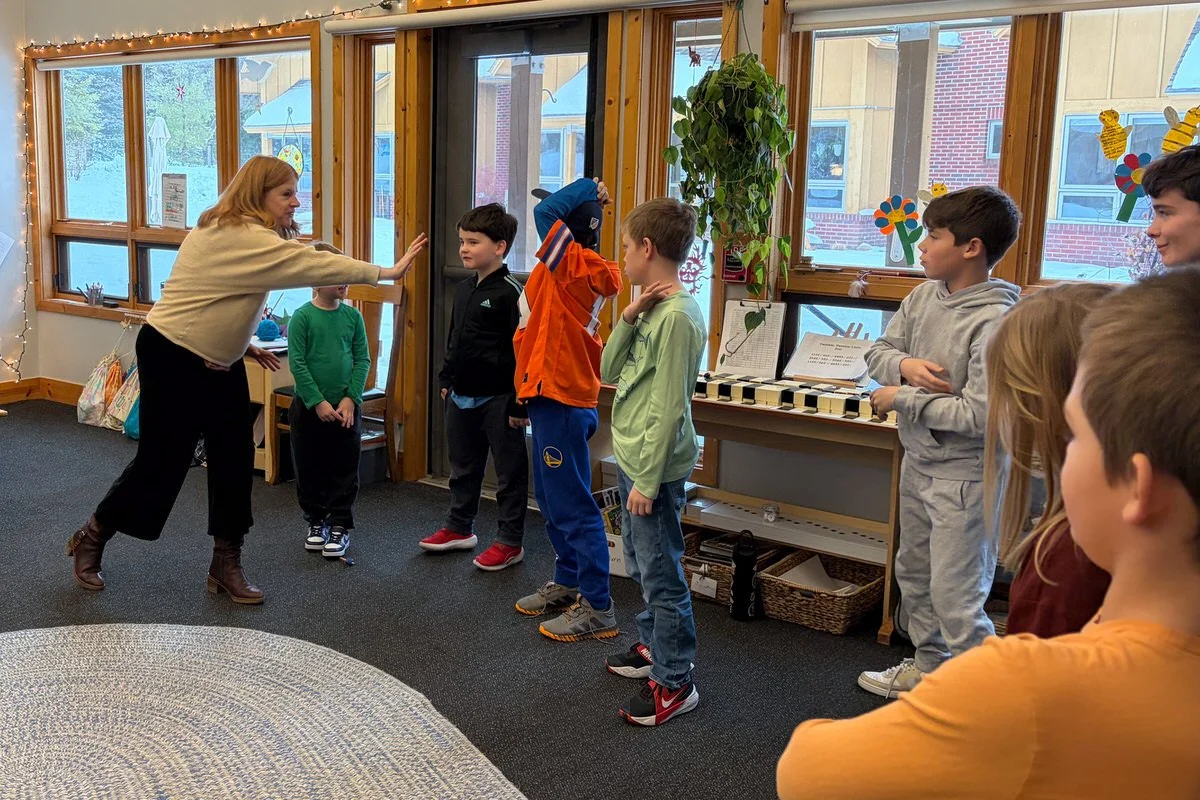
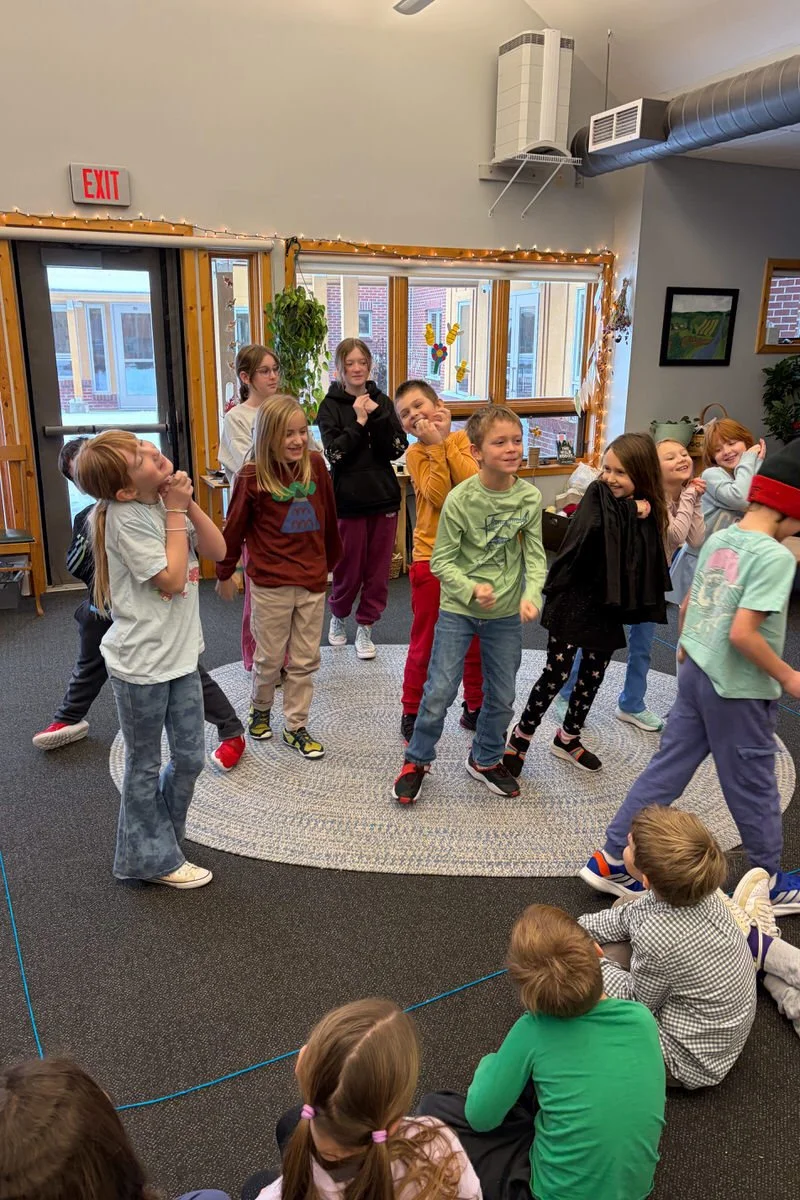
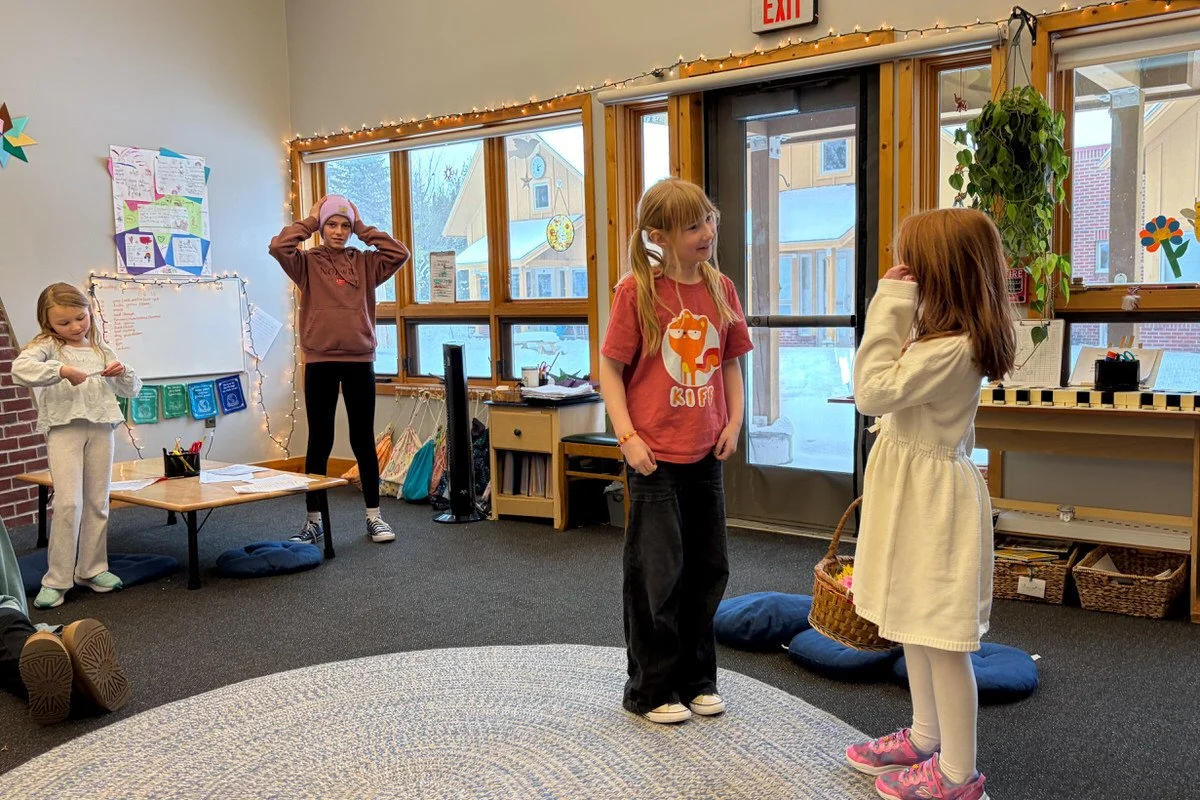
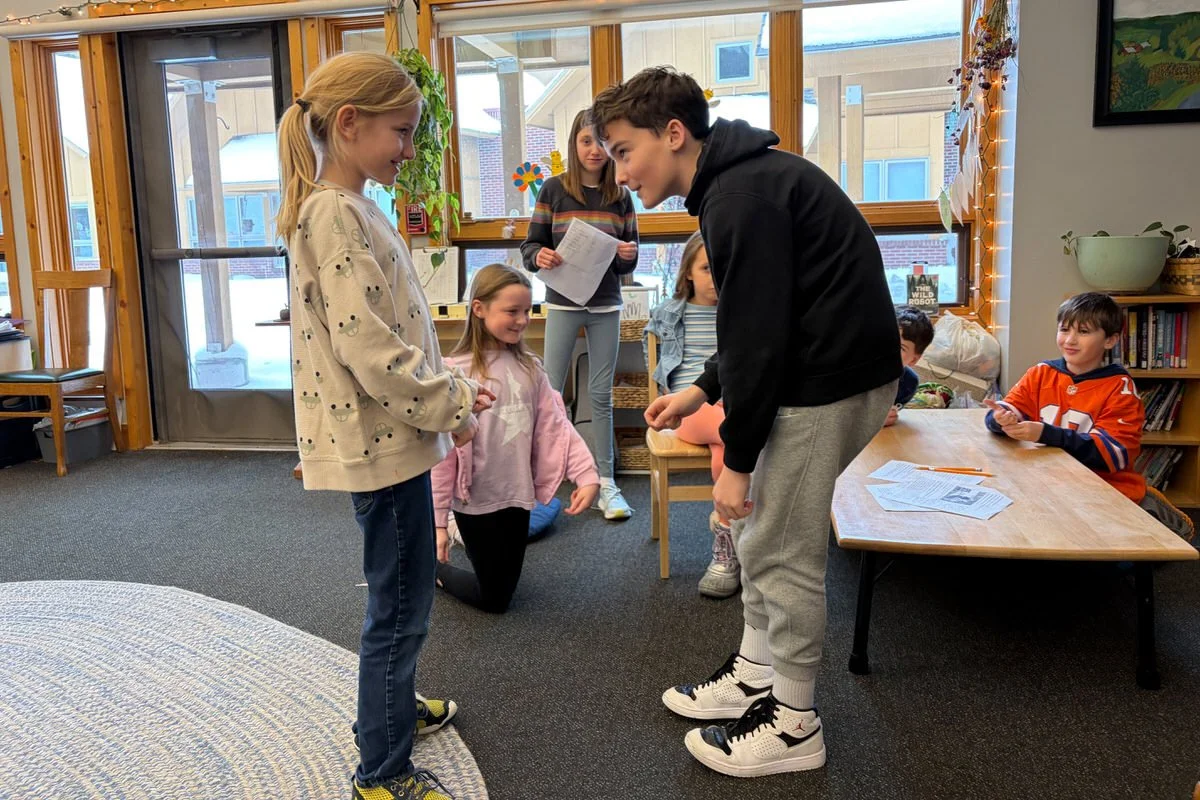
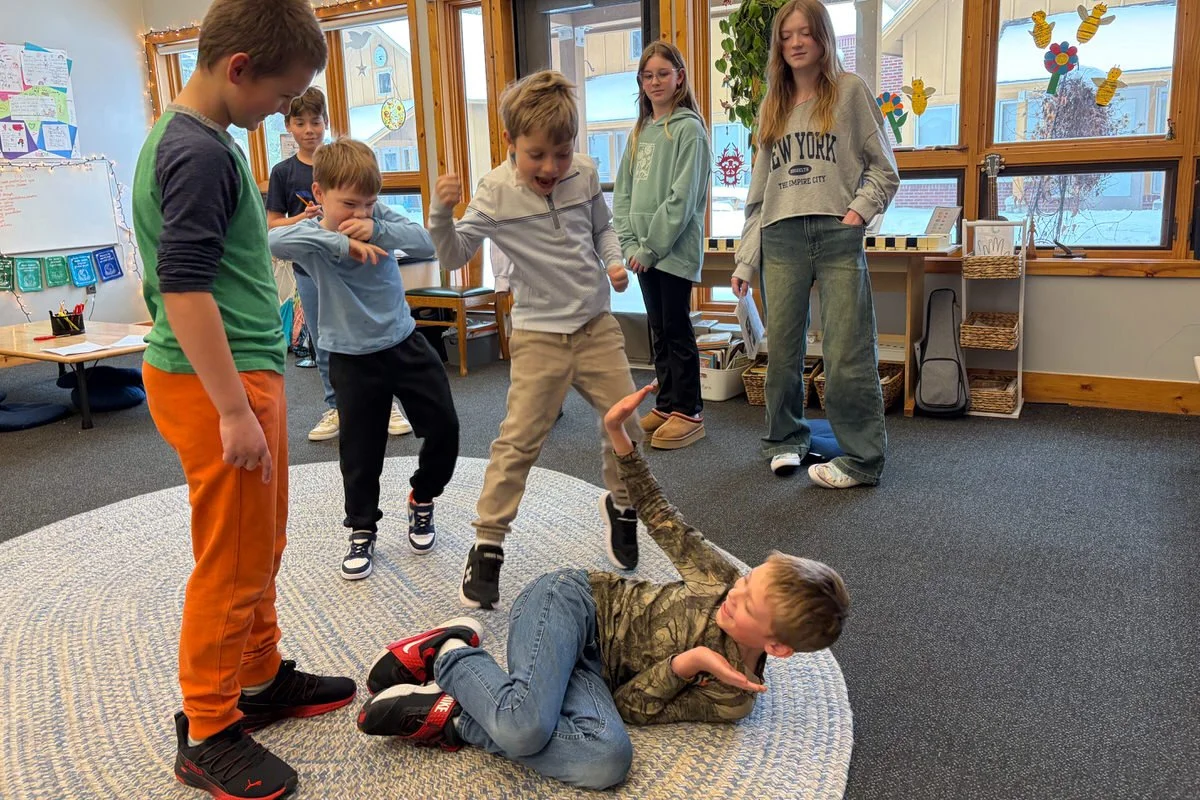
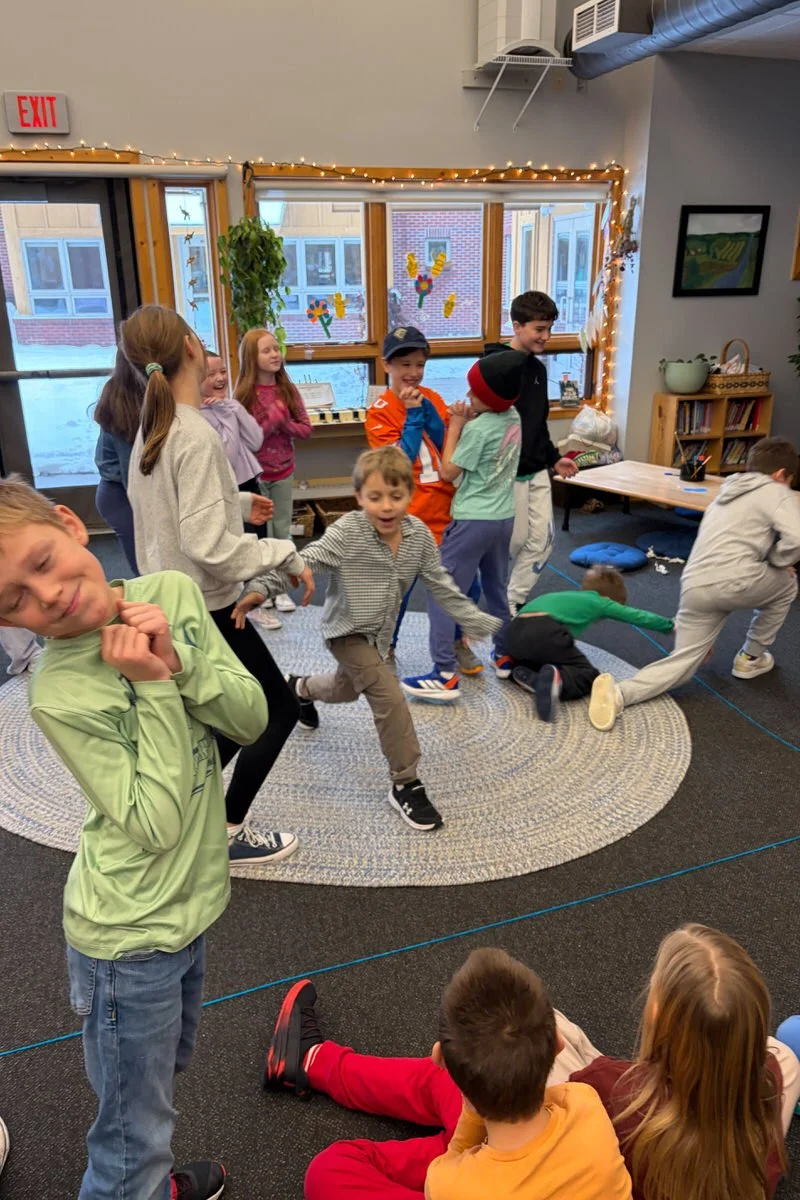
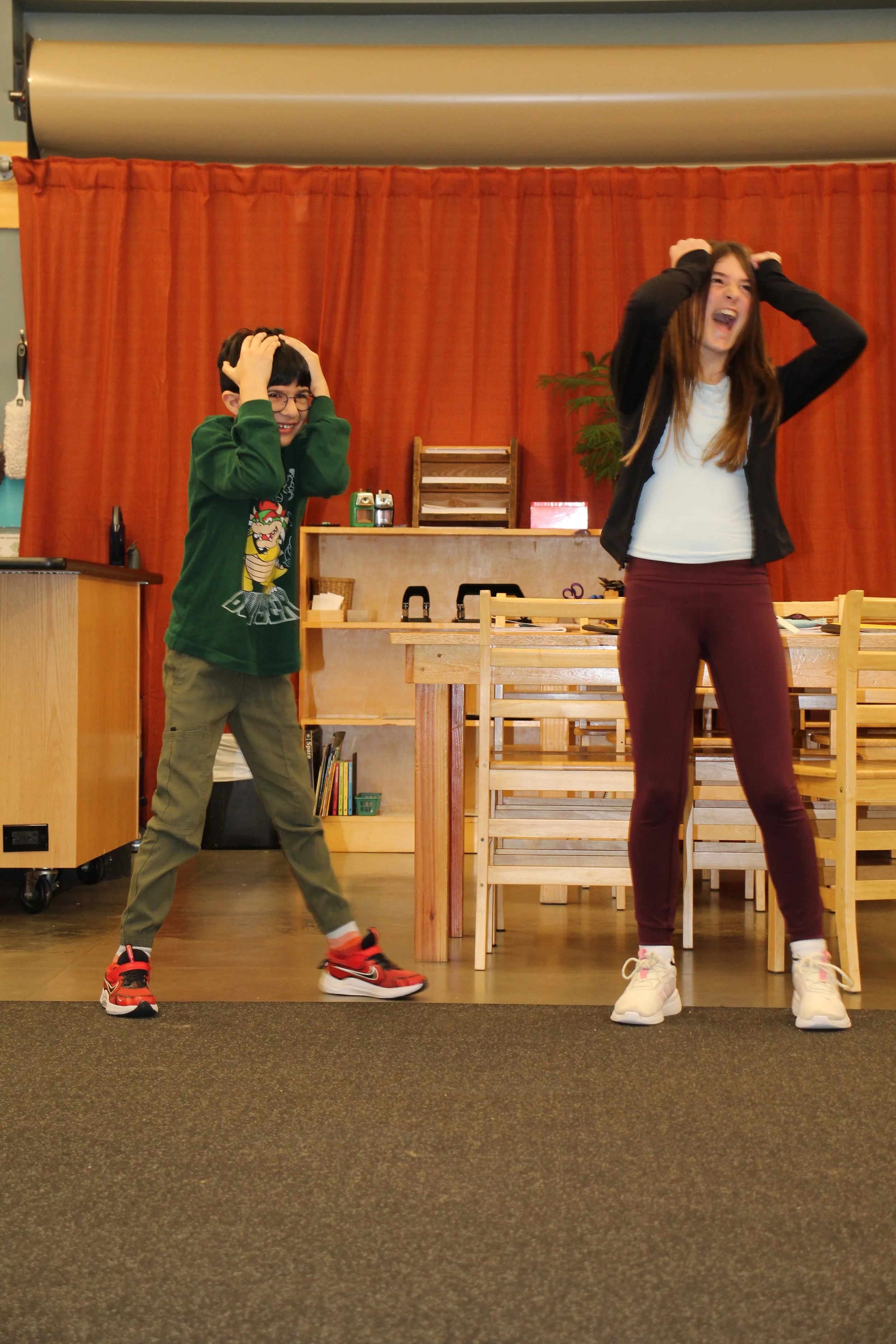
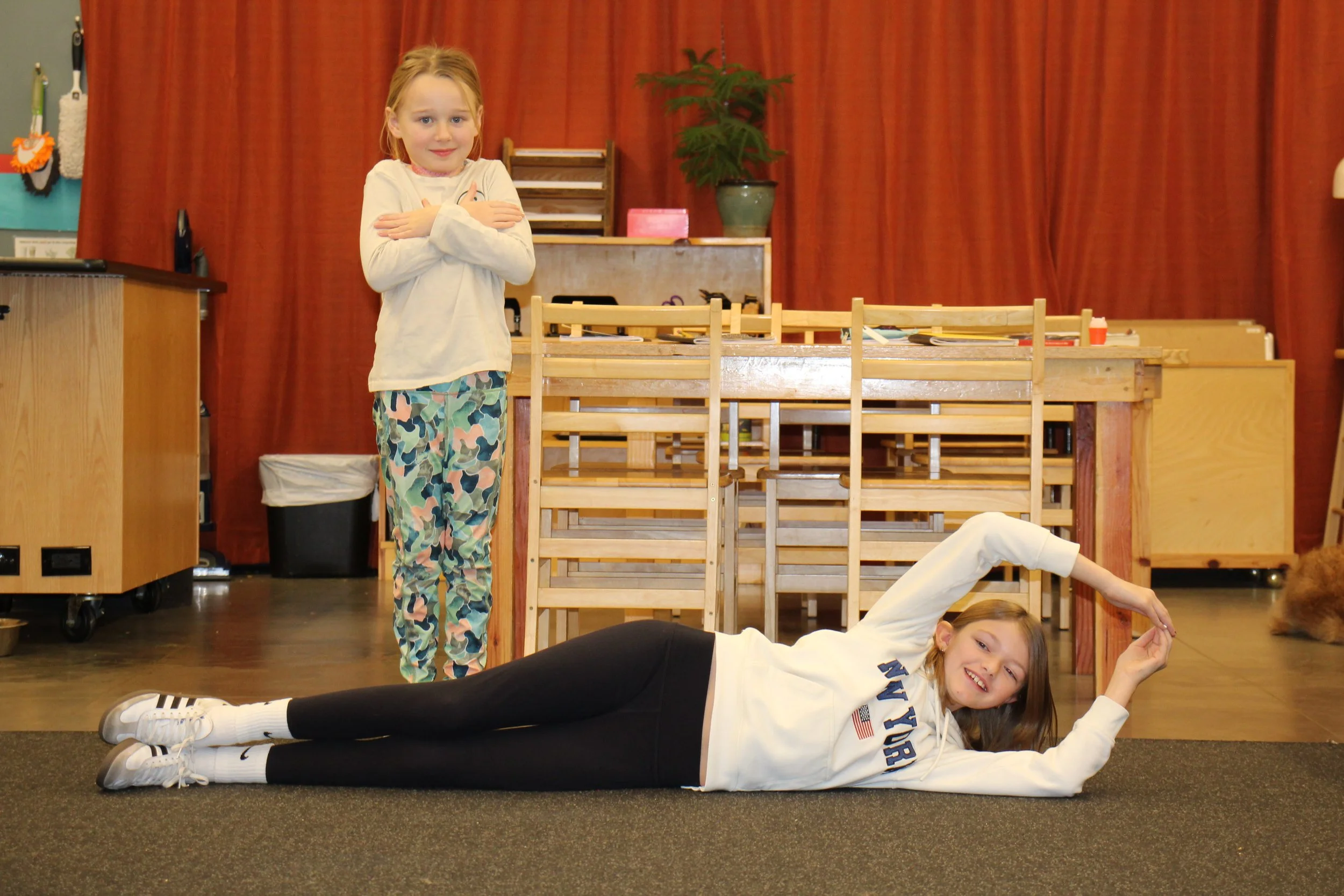
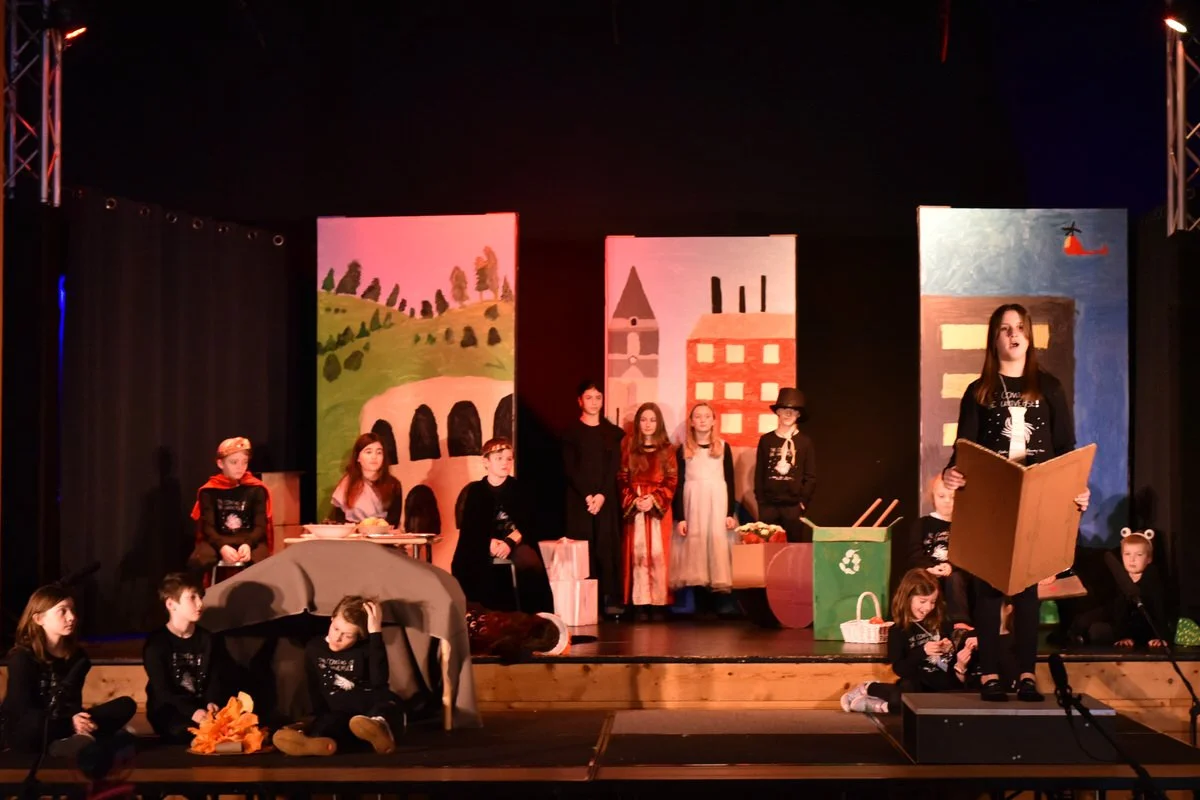
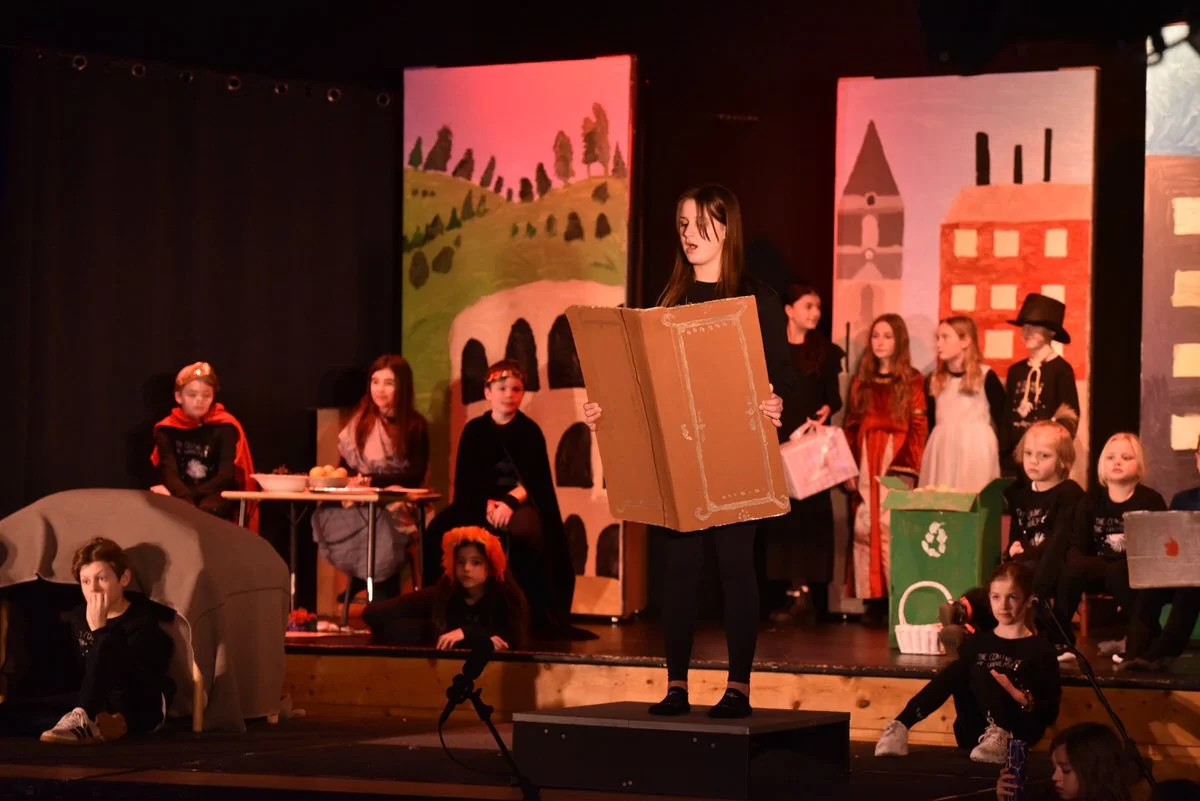
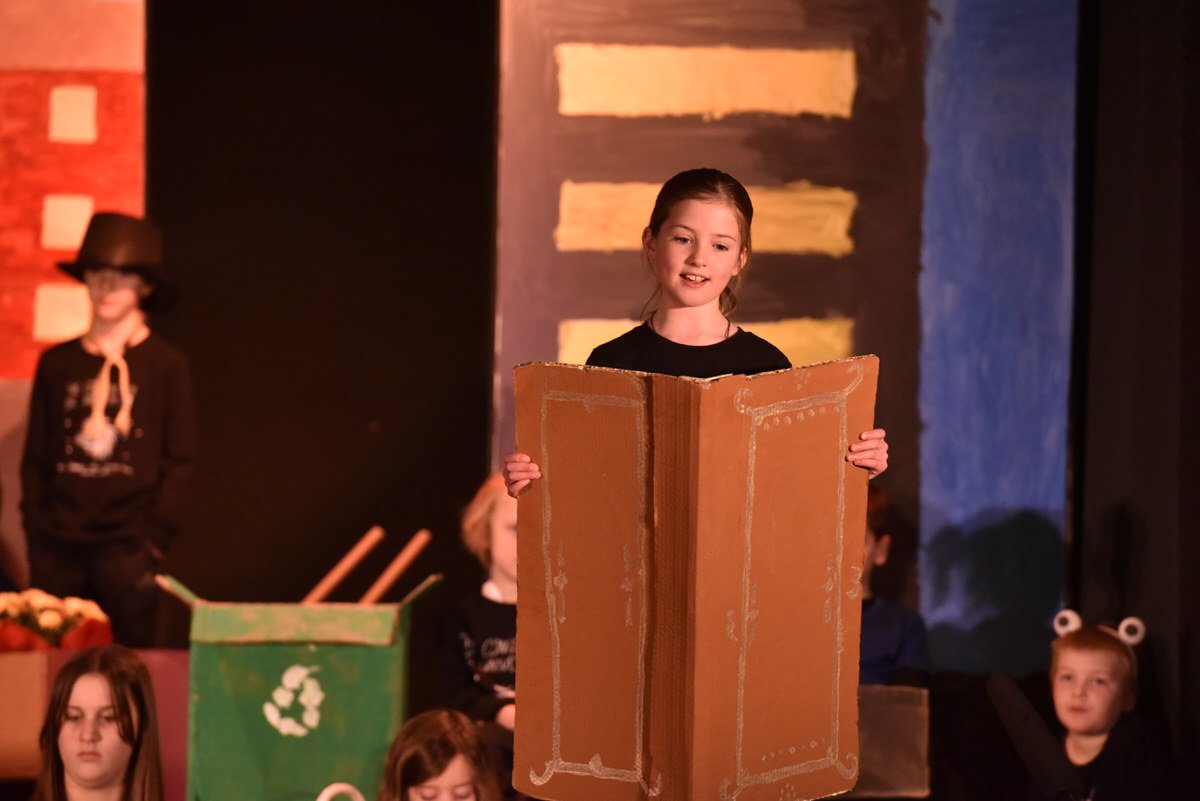
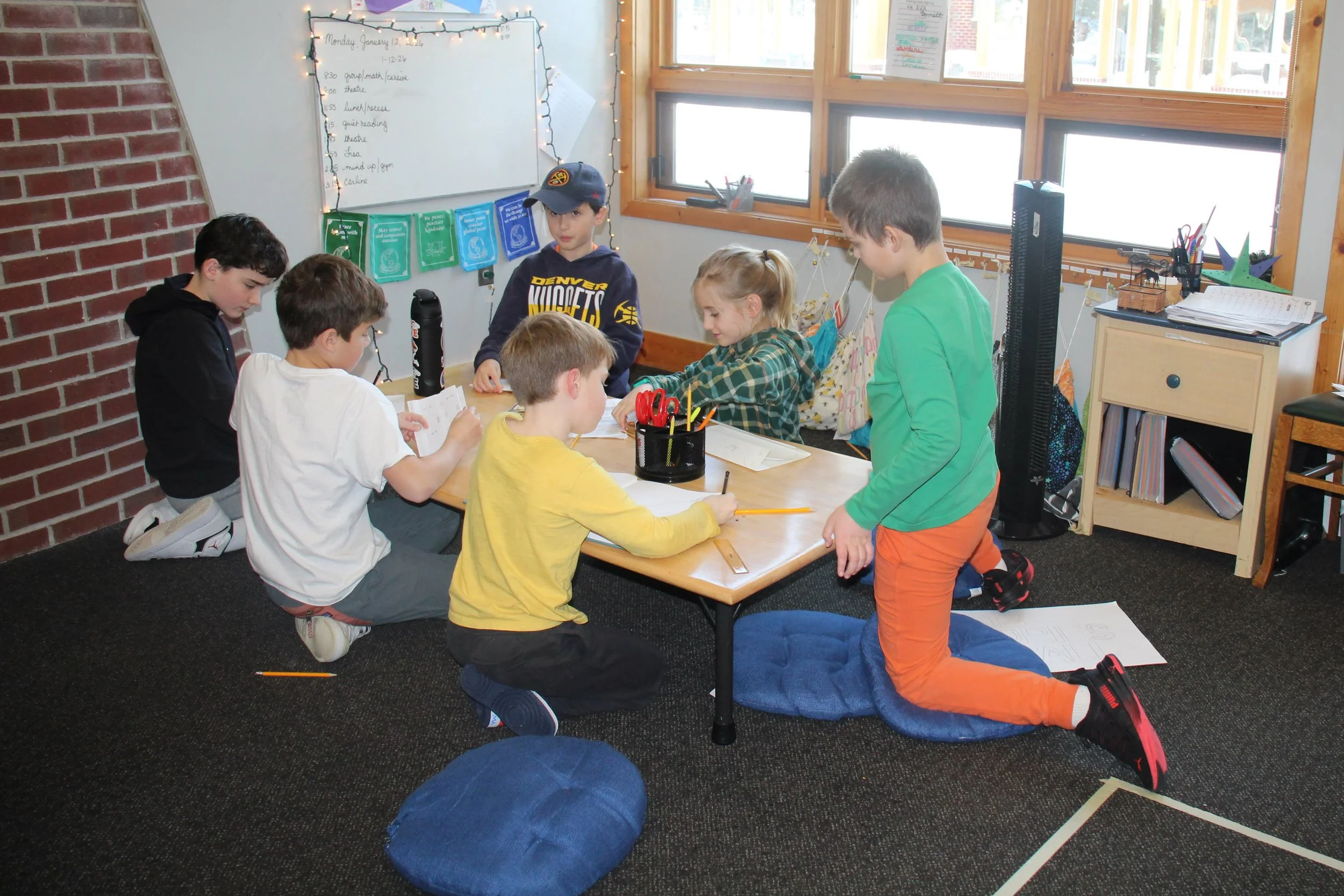
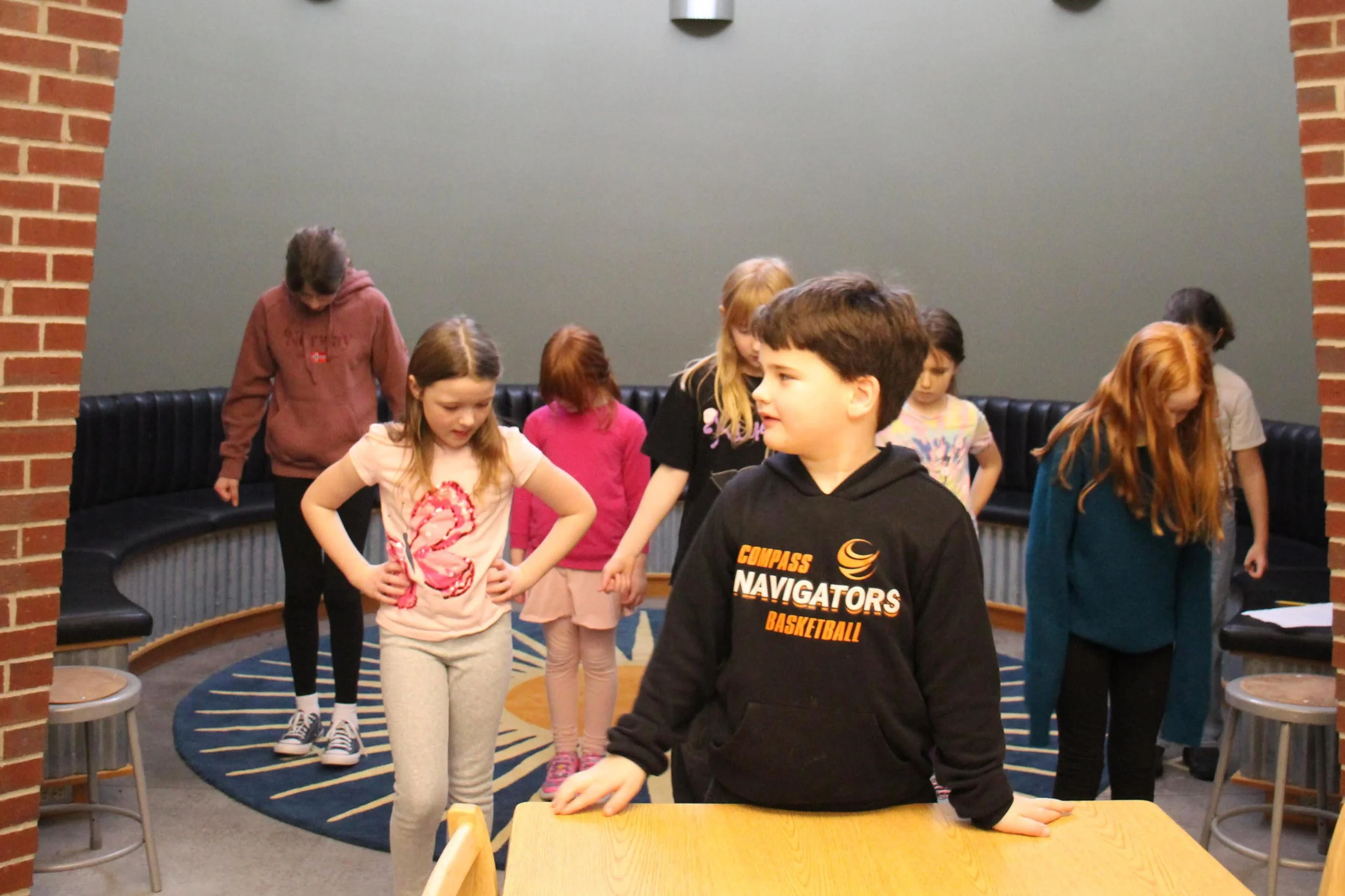
January - A Joyful Journey through Theater: Our “Scene One” community launched into this month by getting to know one another and learning how to work together as a theater group. Through collaboration and play, students built trust, setting the stage for everything that followed. One highlight for the group was learning stage directions through the lively game Stagewreck.
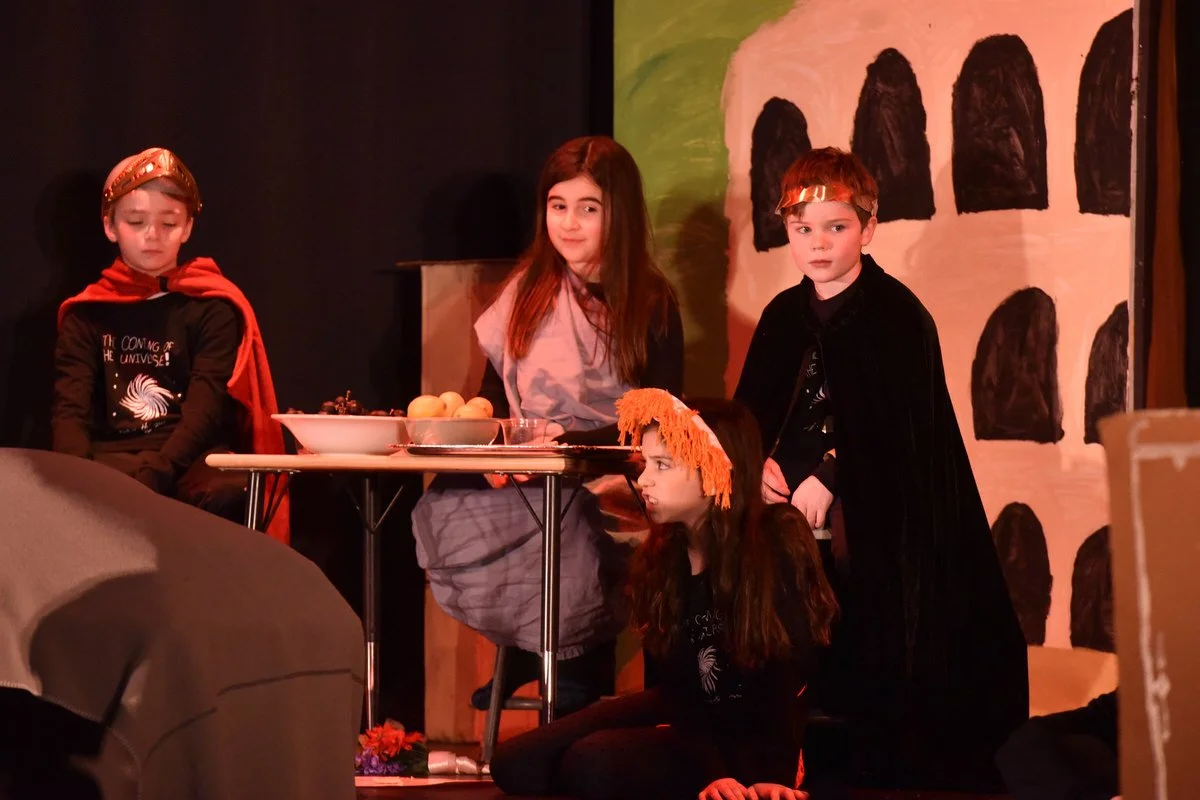
Students then dove into research, exploring the historical periods in which their scenes were set—early human times, Roman civilization, the Victorian era, and the modern day. They investigated the animals, people, and climates of these times and places, deepening their understanding and enriching their storytelling.
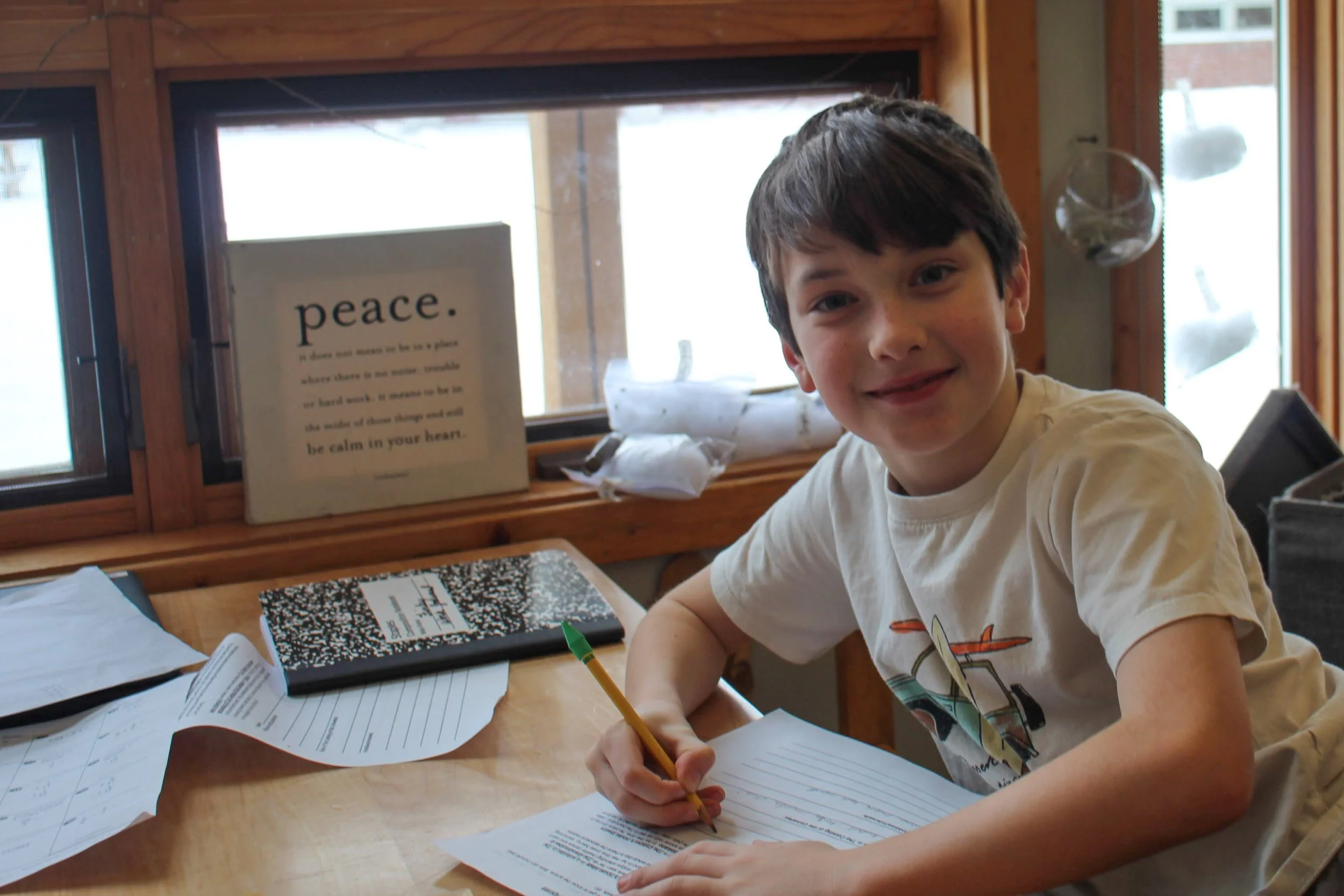
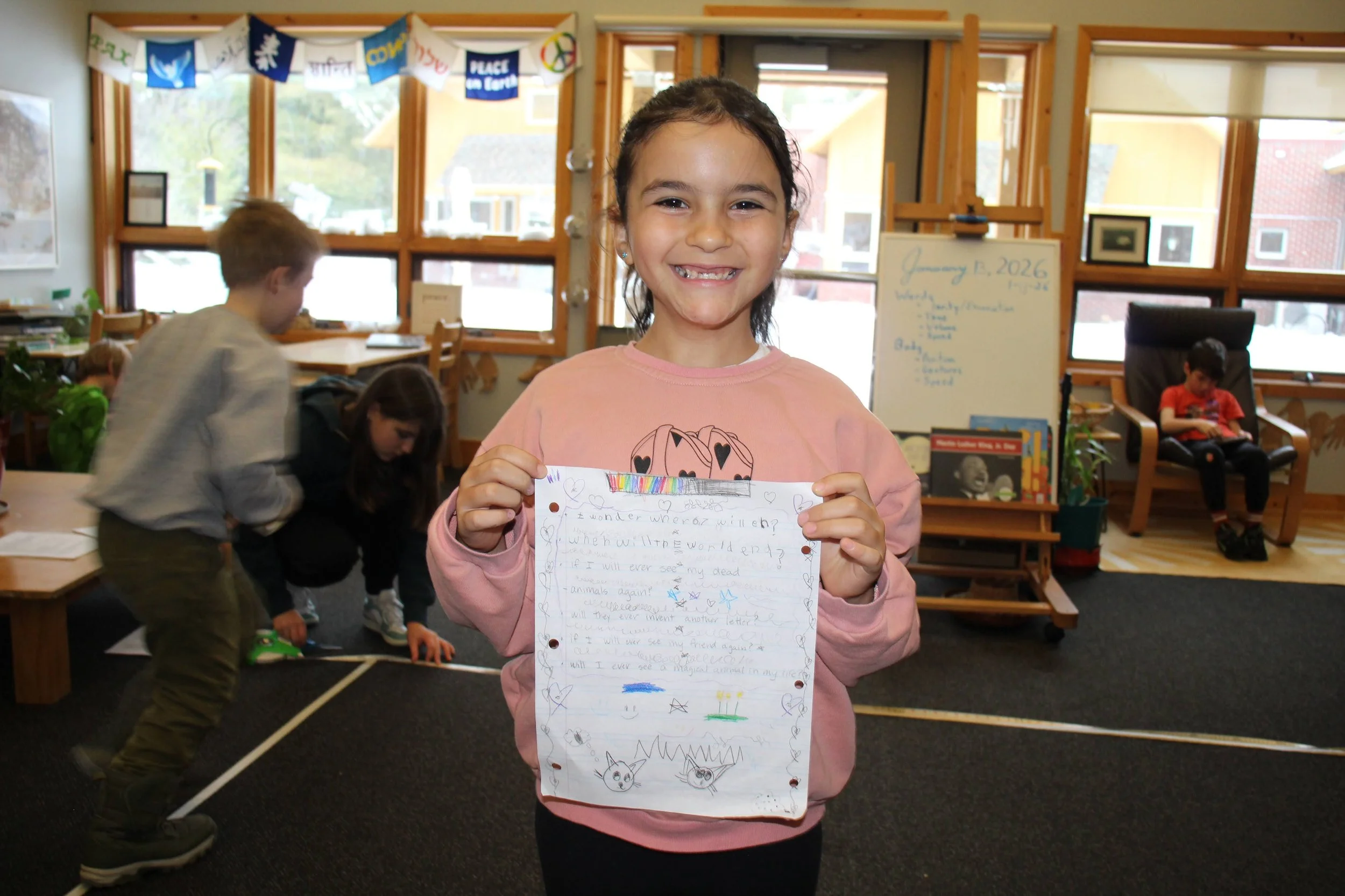
Next, students were introduced to the idea of “fierce wonderings,” a principle from A Writer’s Notebook by Ralph Fletcher. Inspired by this approach, they wrote their own scripts and participated in workshops to revise and refine their scenes, learning how feedback and reflection can strengthen creative work.
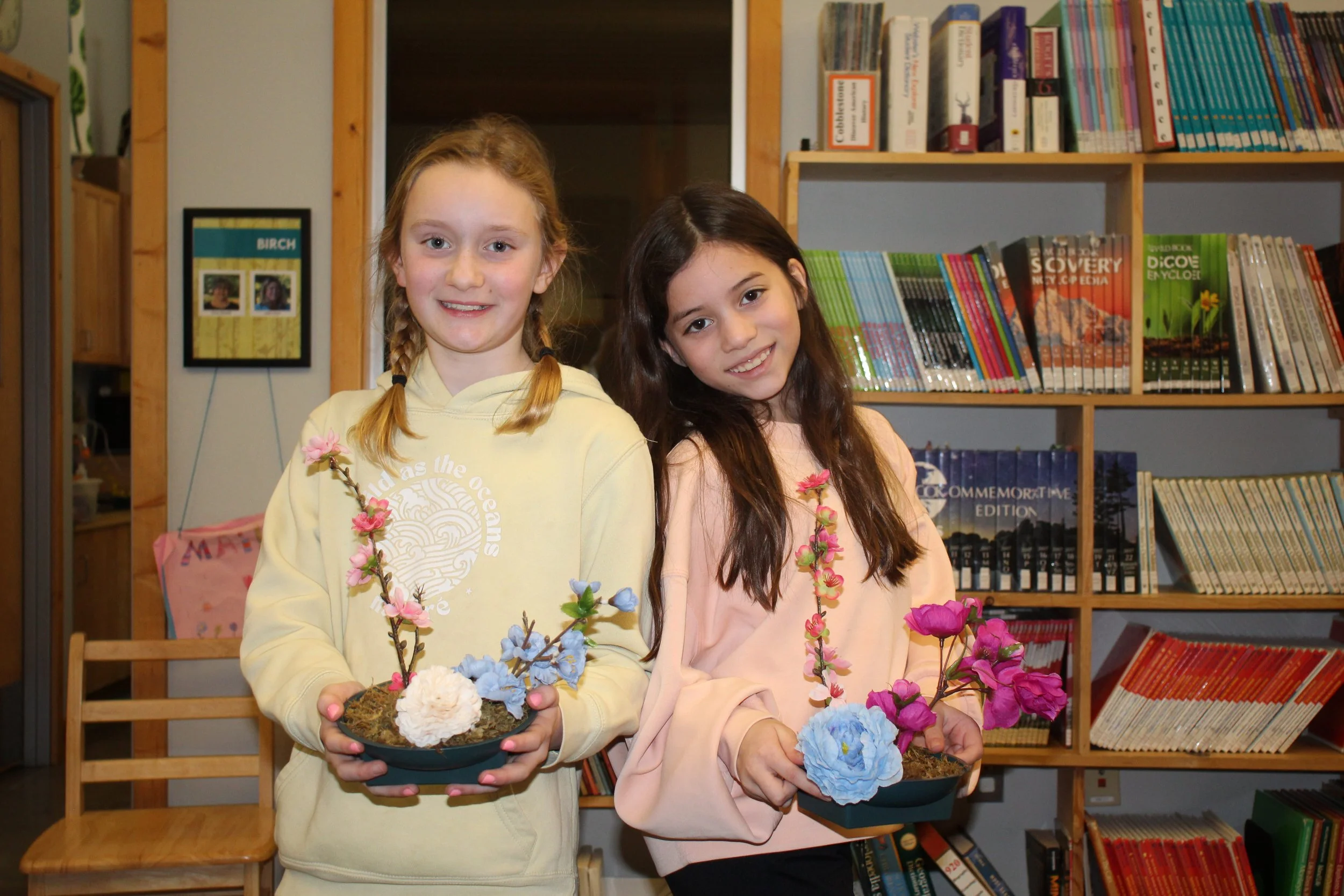
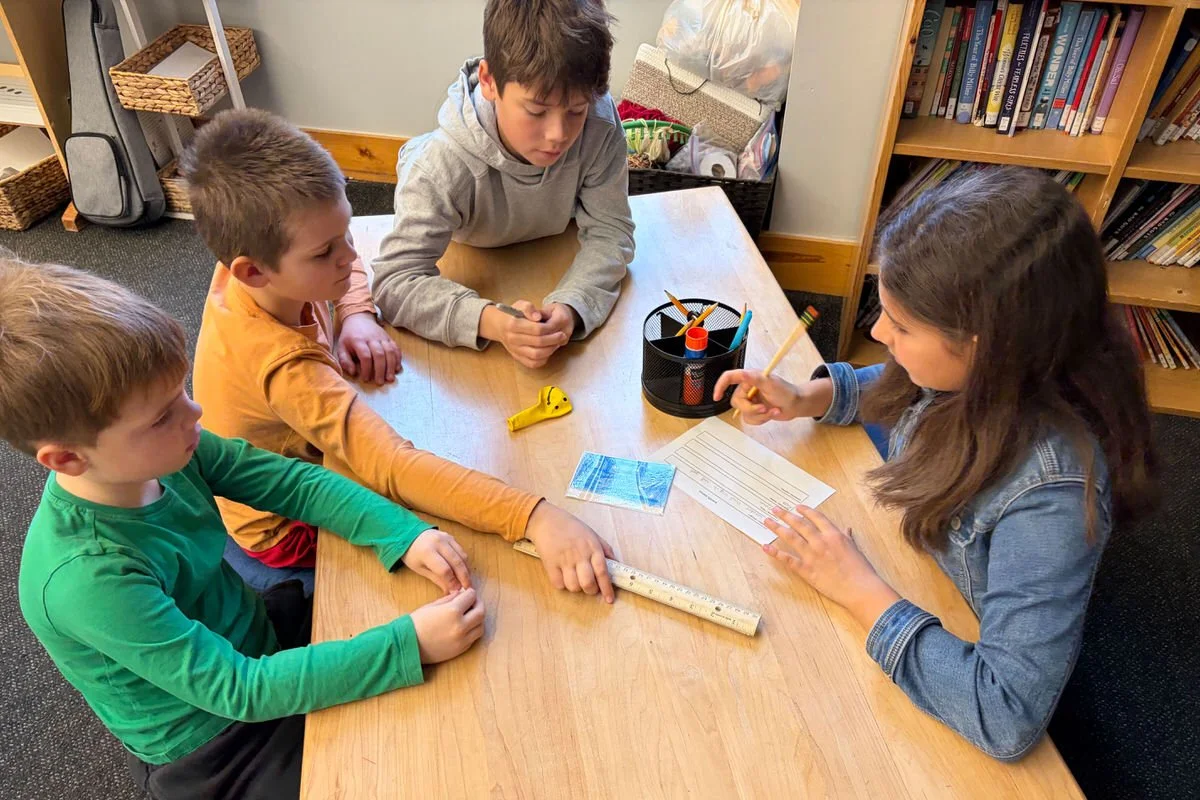
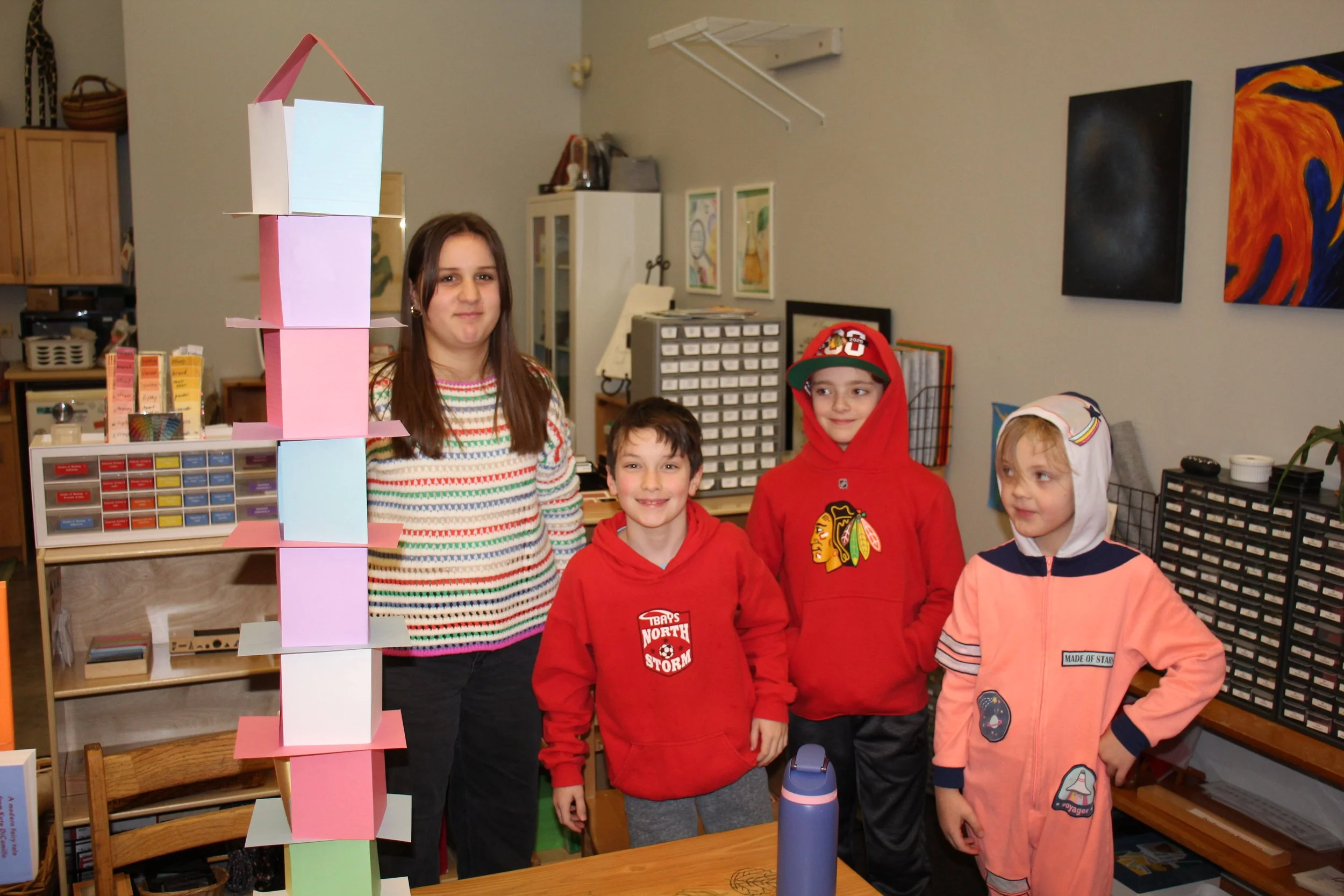
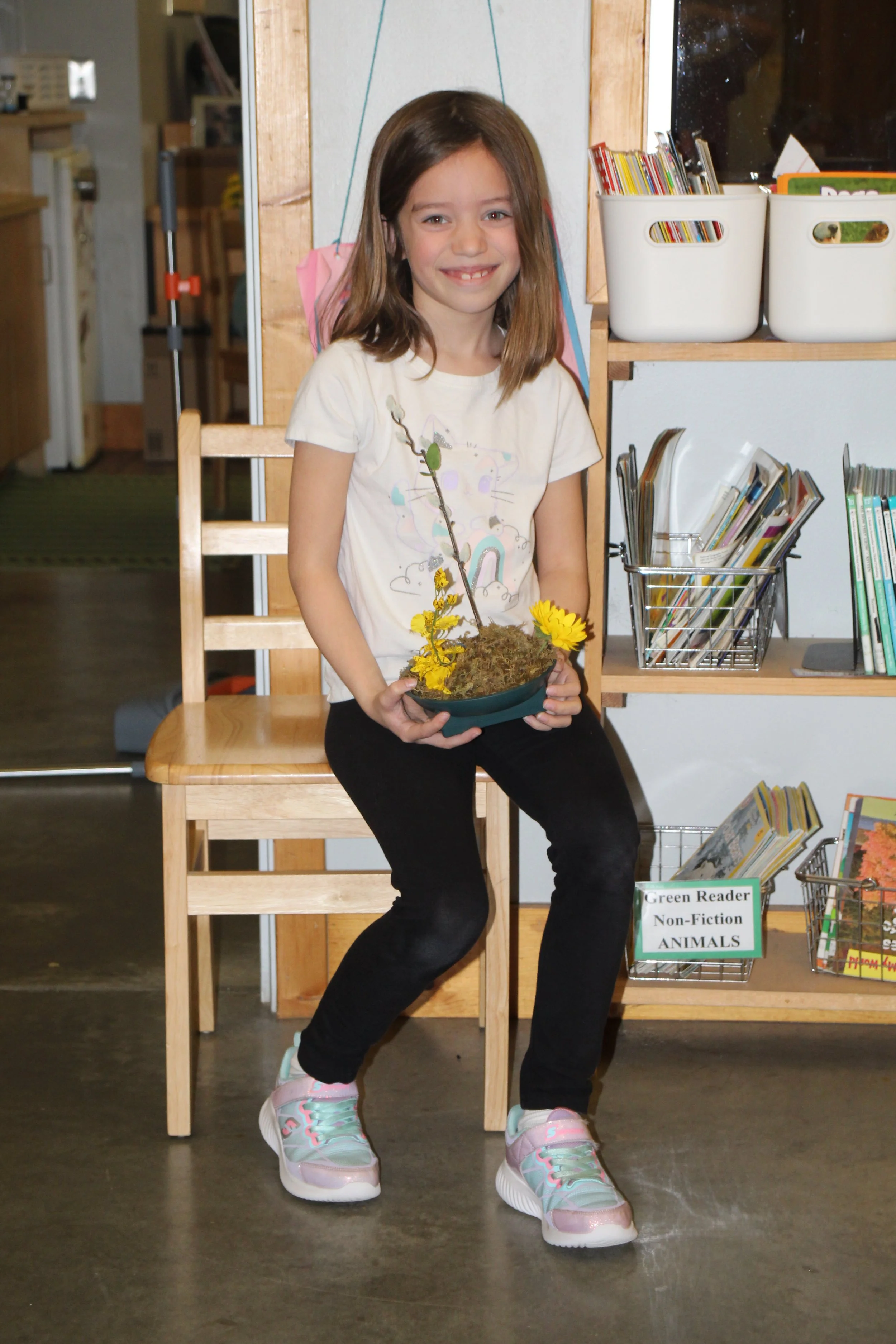
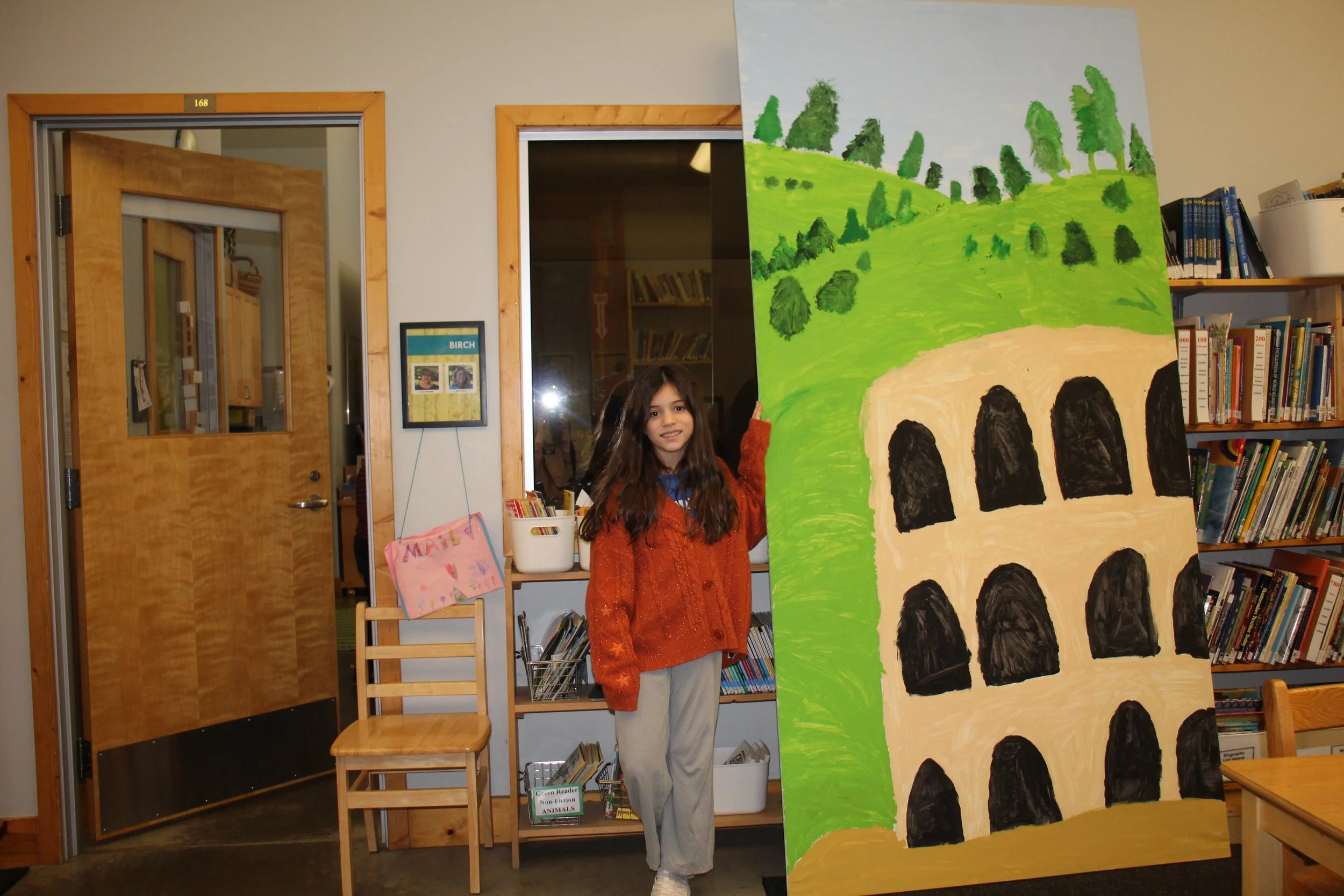
Another area of great interest was the study of Japanese flower arranging, known as Ikebana. Students learned that Ikebana is rooted in geometry and mathematical thinking, using scalene triangles, angle measurement, and proportional reasoning involving the multiplication of fractions. They also explored the symbolism behind the three main stems—the shin, soe, and tai—representing the future, present, and past. These principles were then applied to imagining and designing their set pieces.
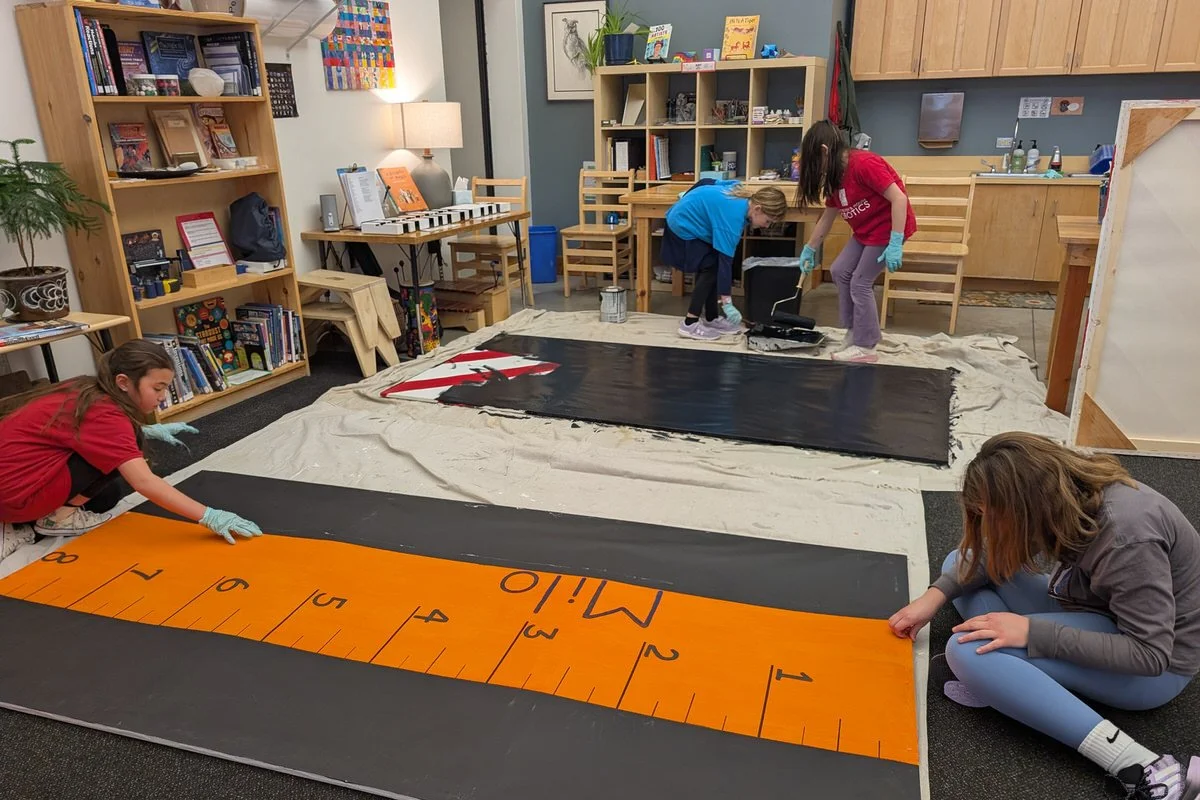
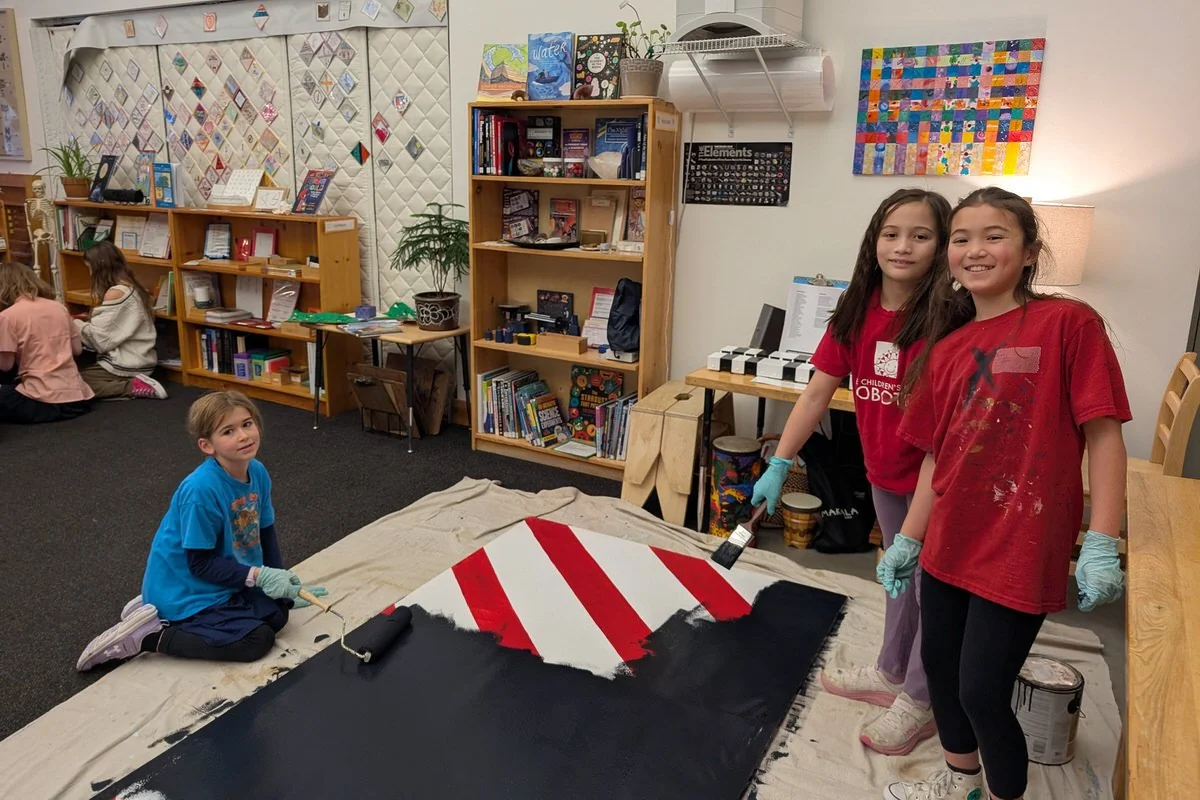
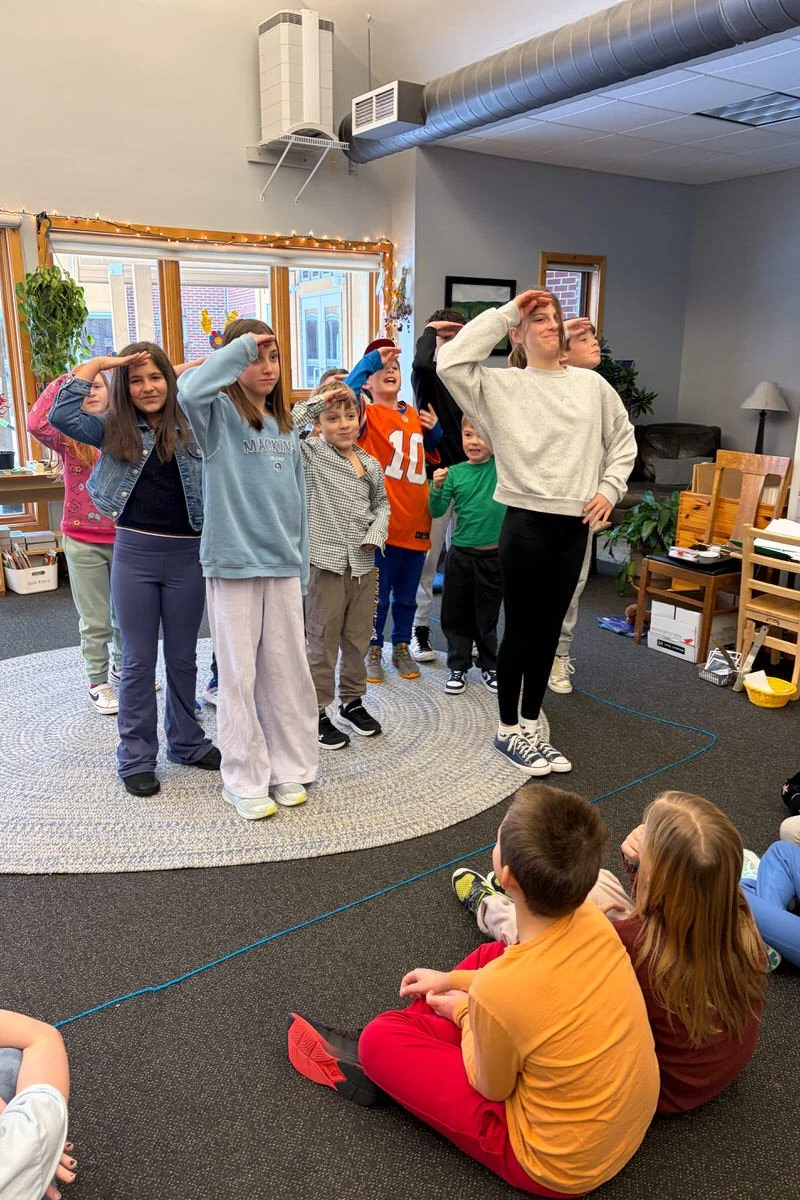
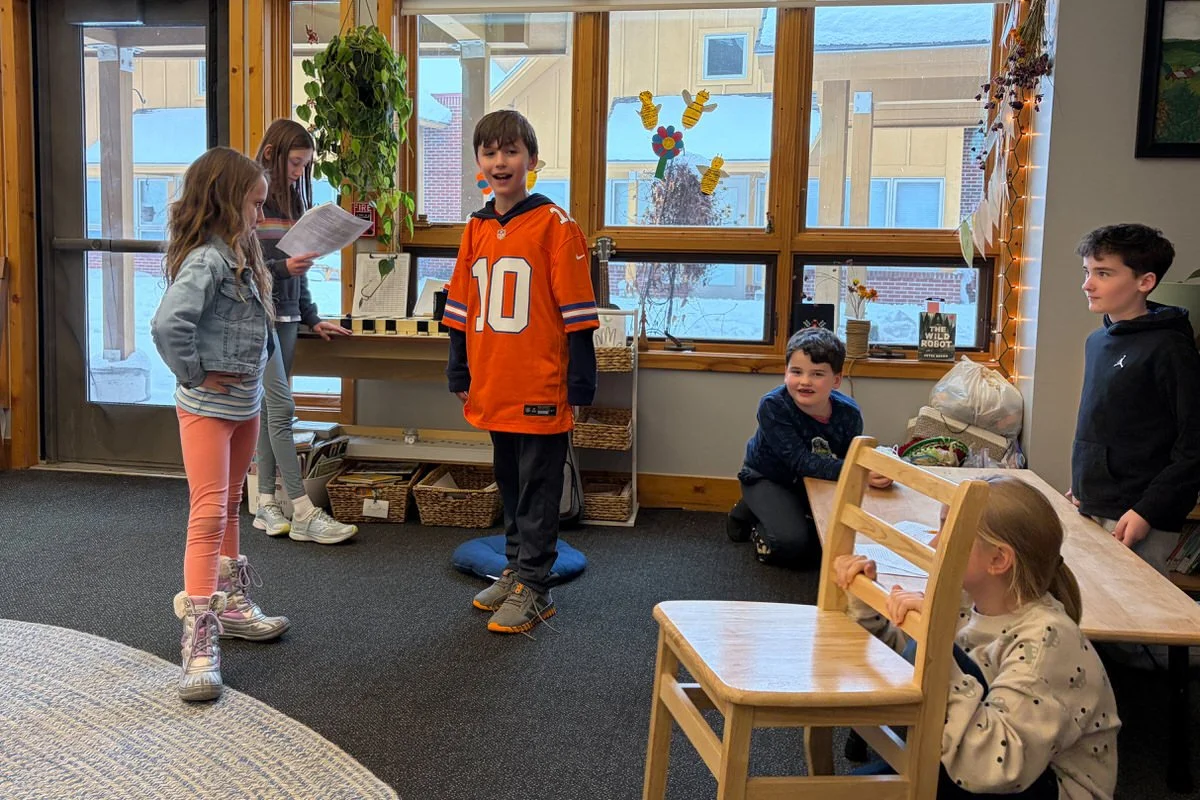
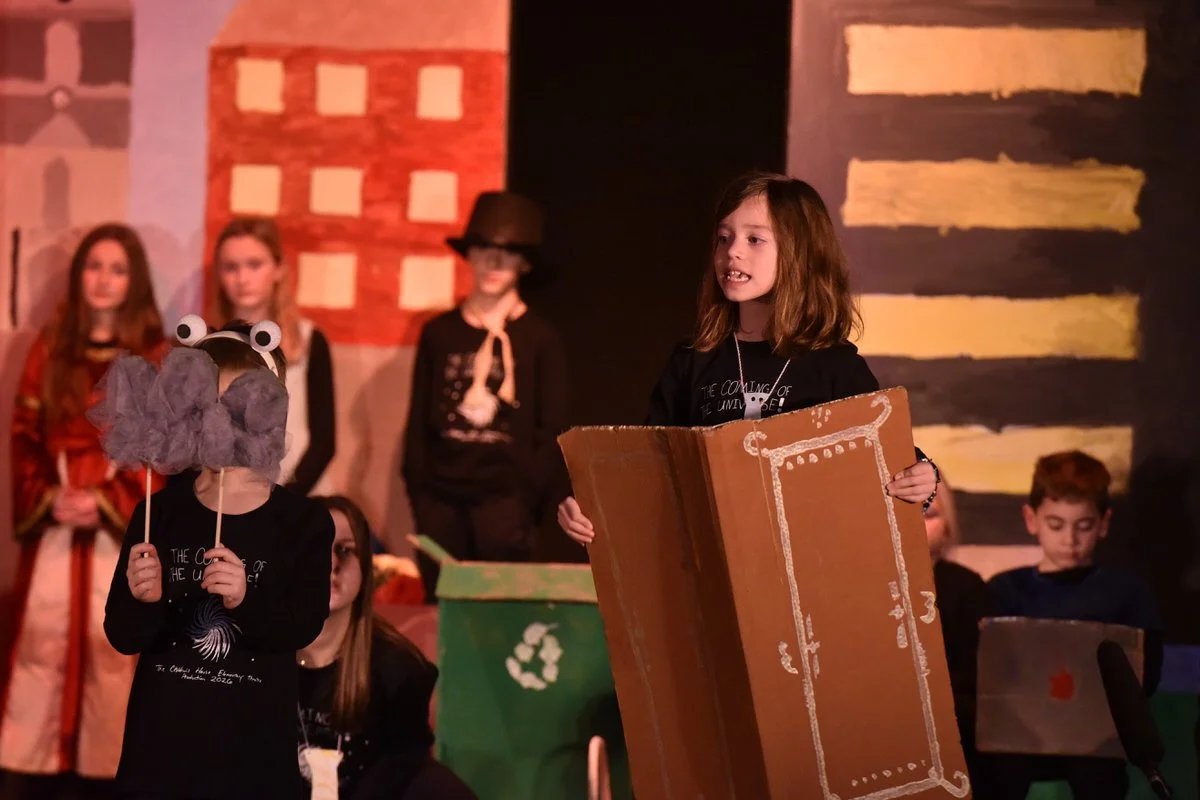
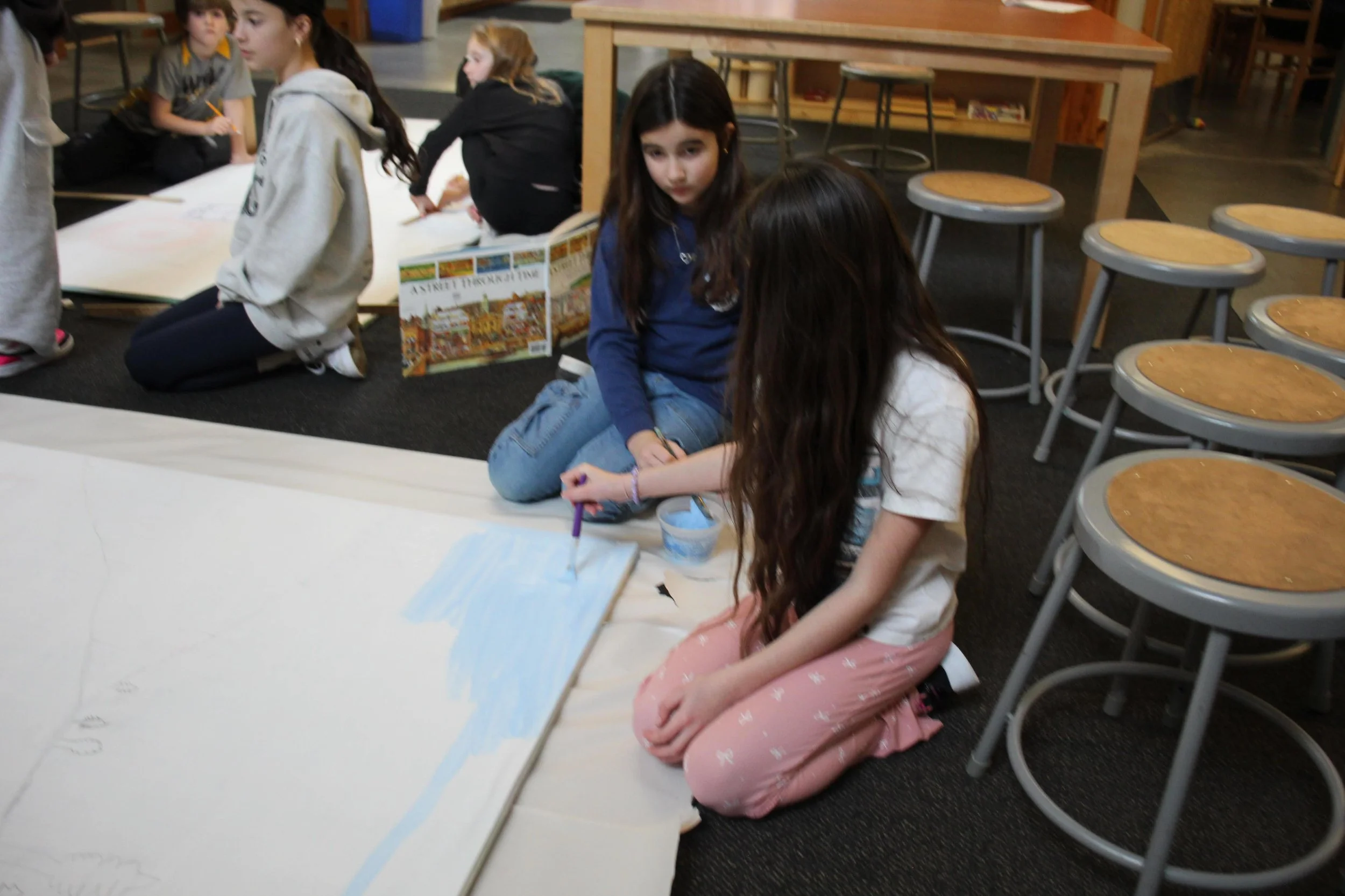
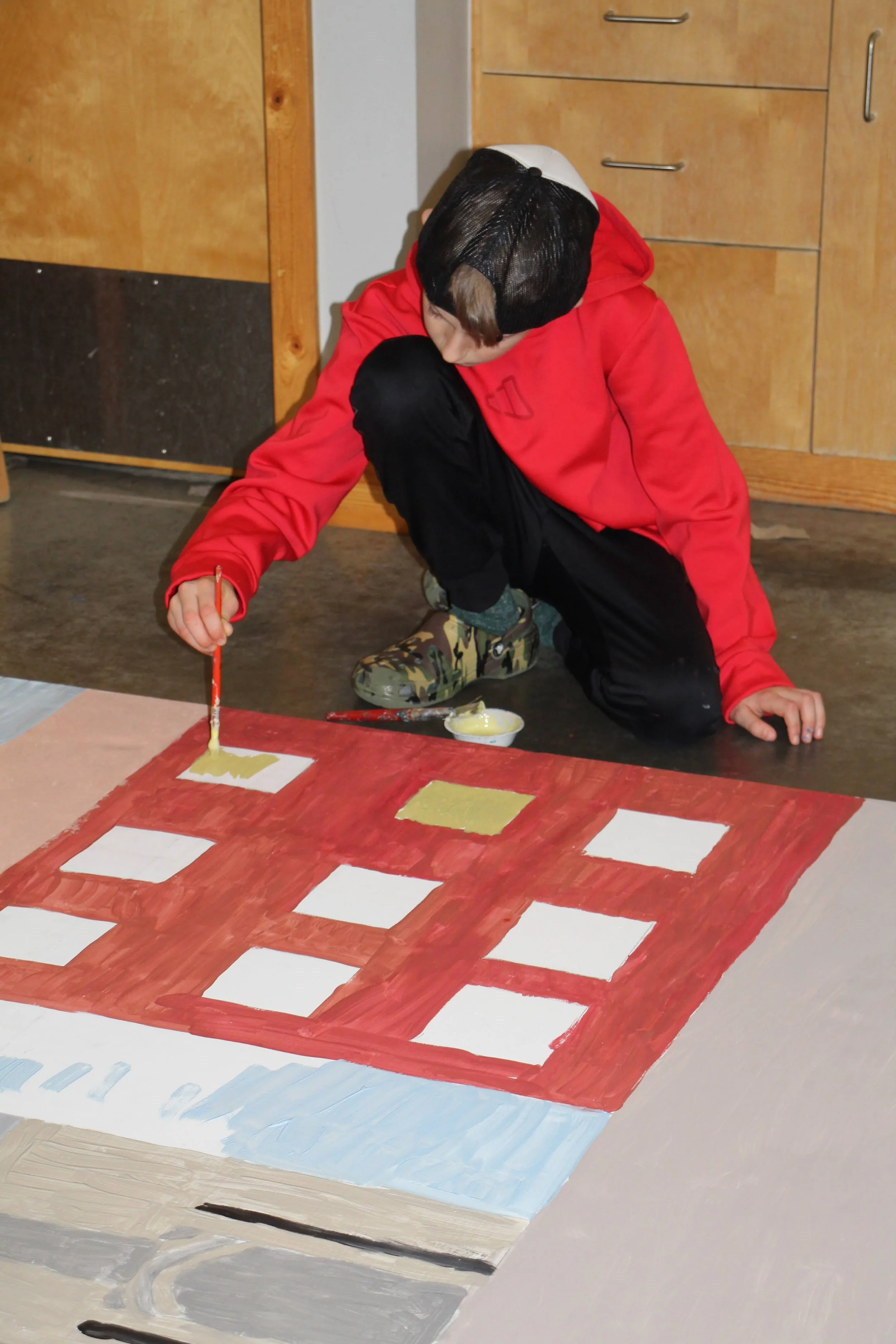
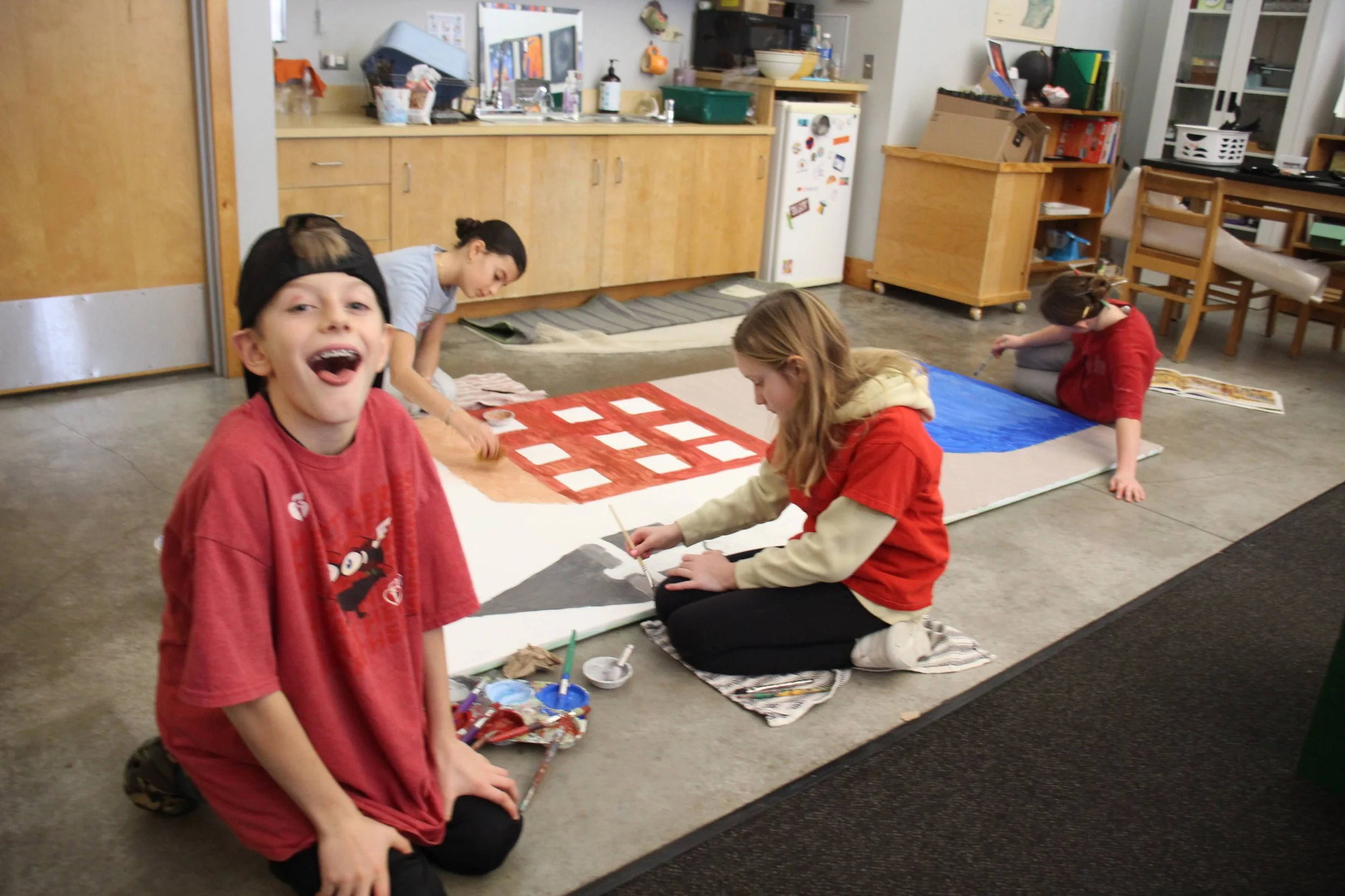
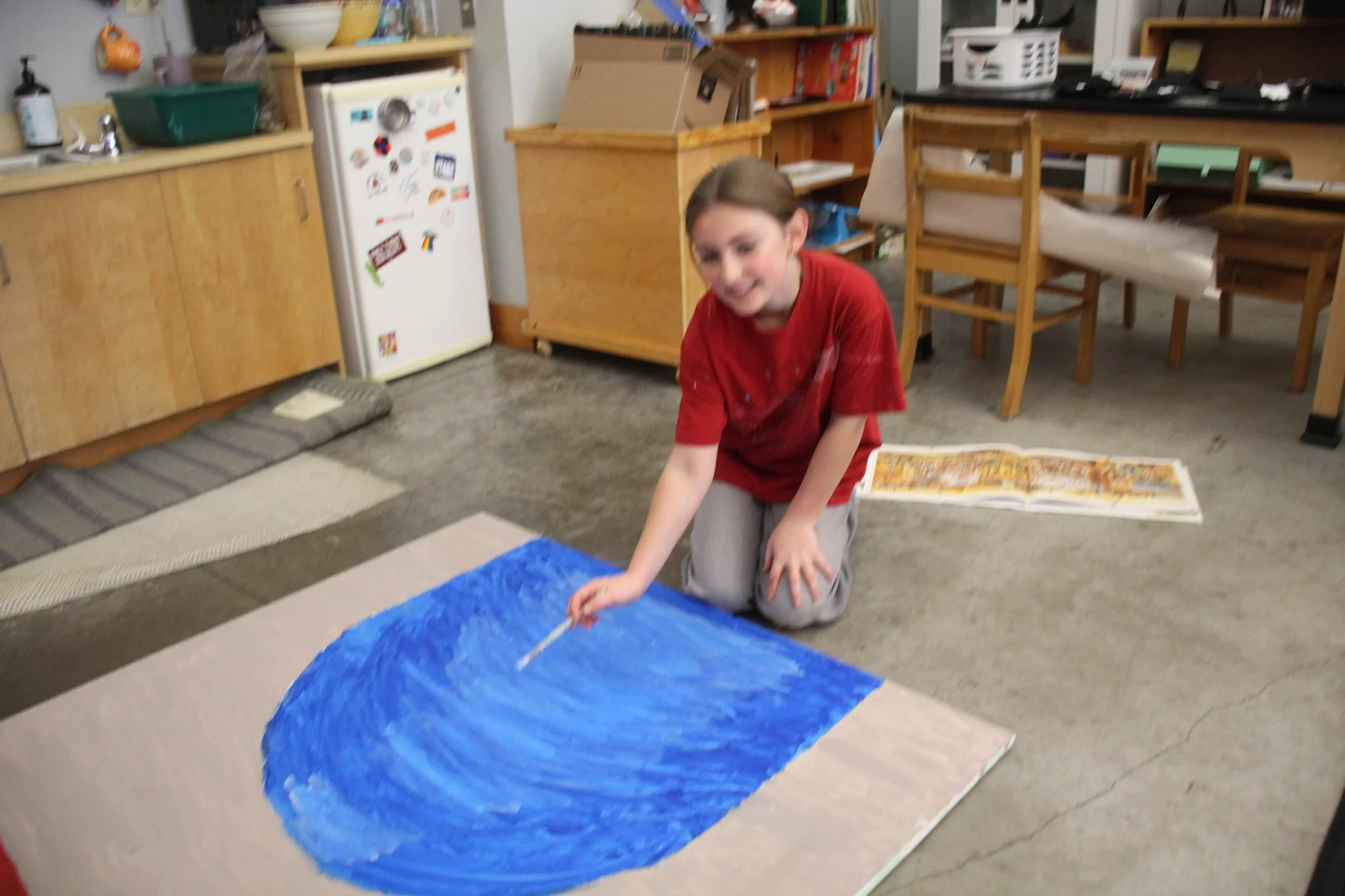
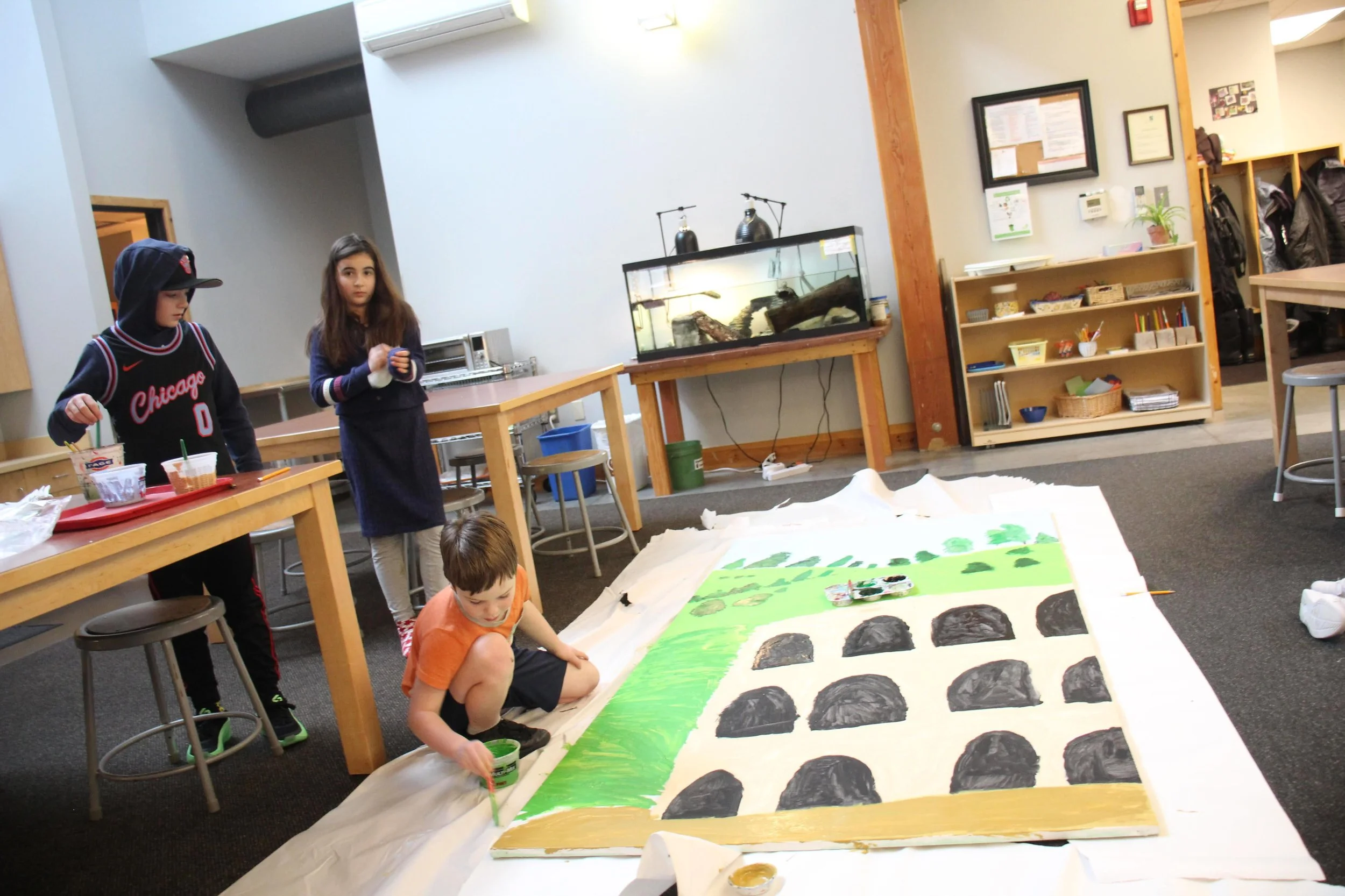
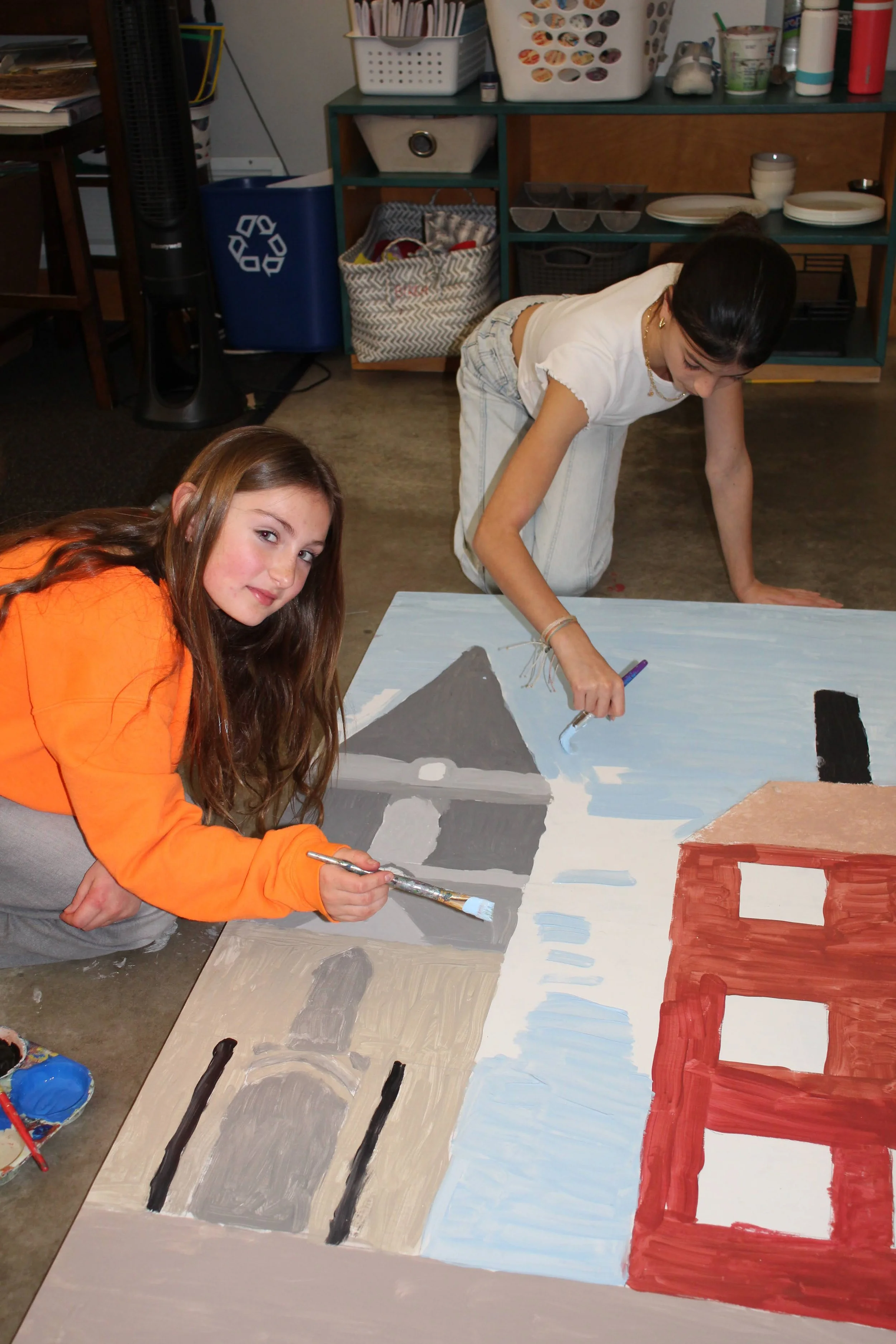
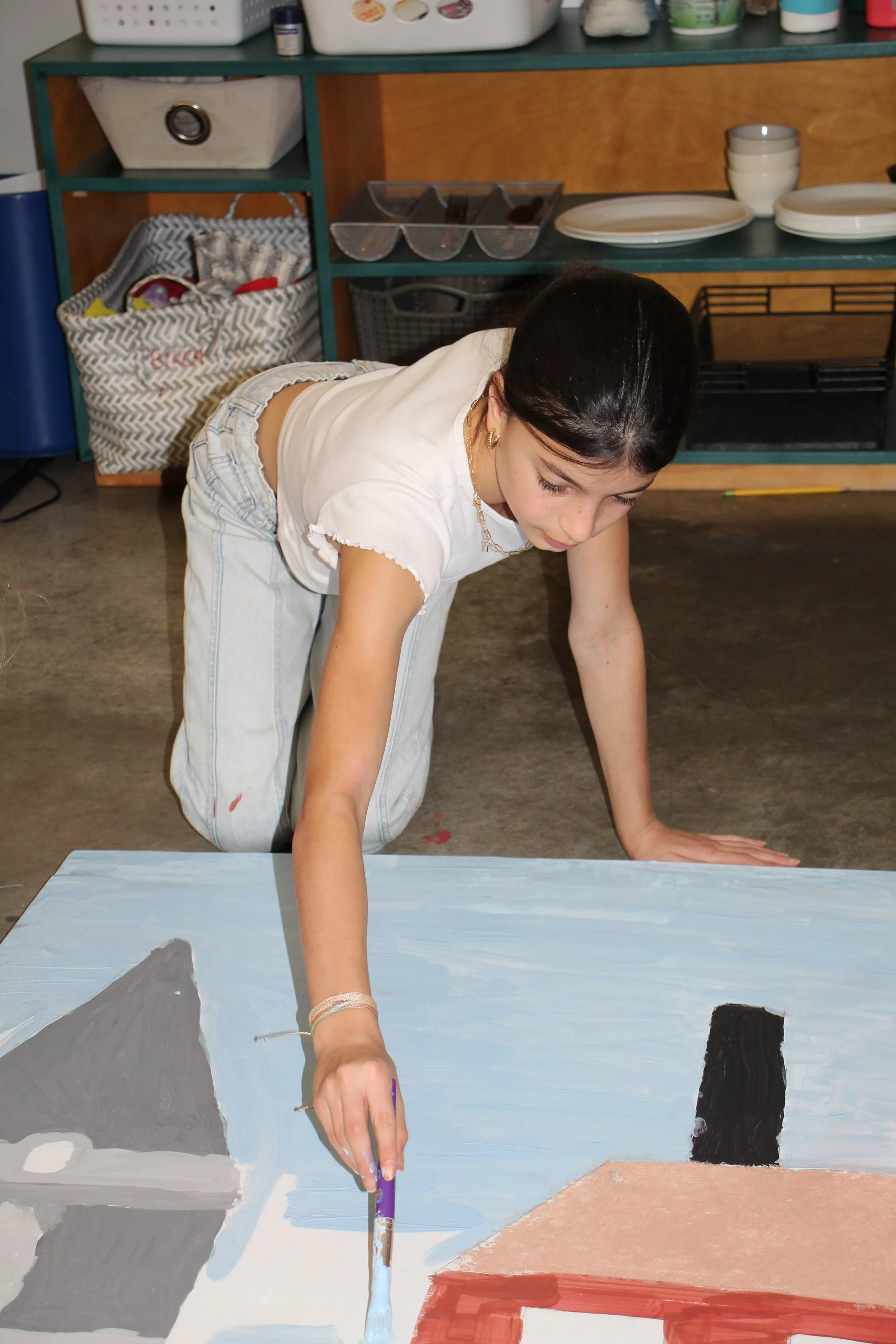
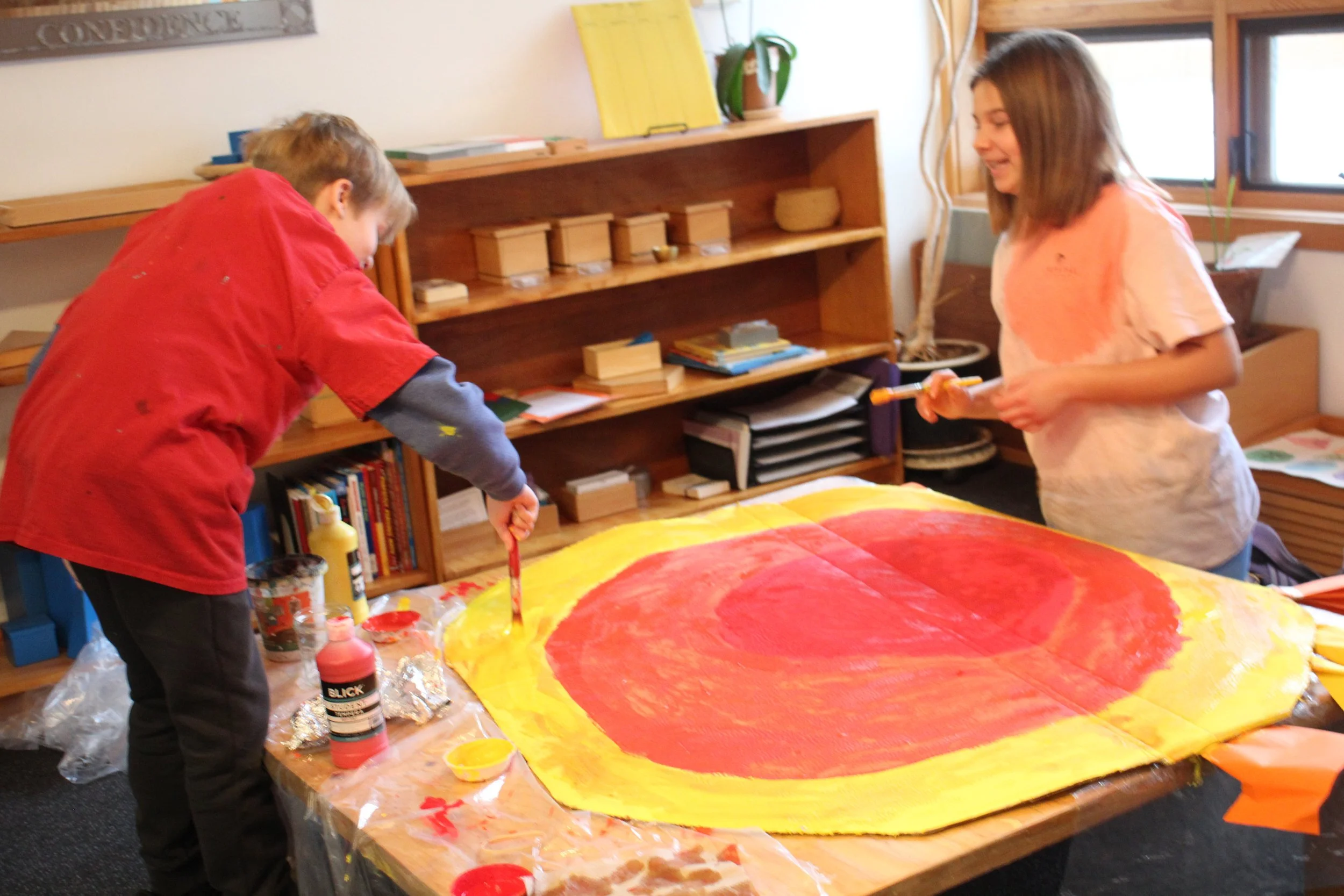
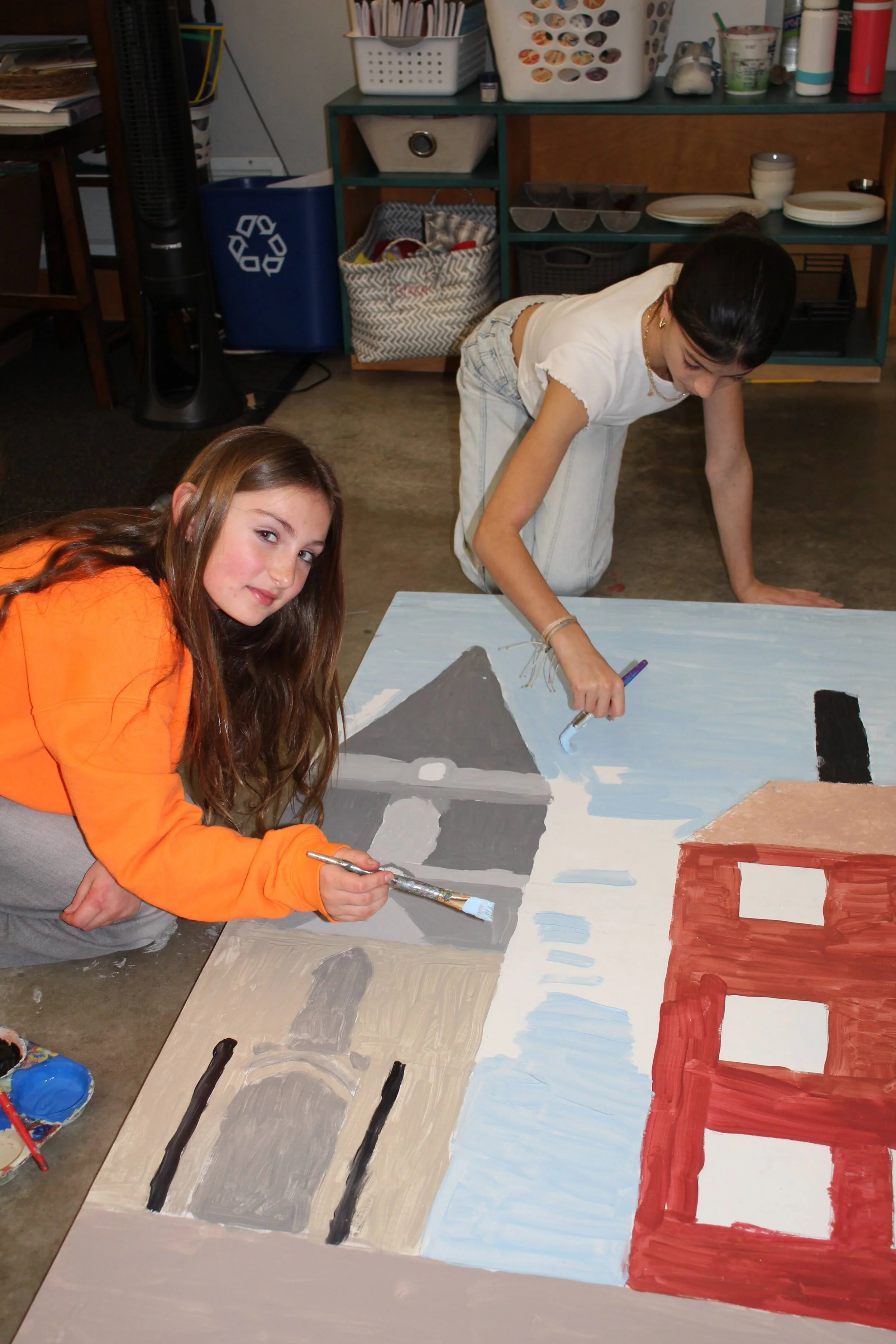
With ideas in place, students enthusiastically painted sets and created props and costumes to bring their vignettes to life. Once everything was ready, they moved into blocking and rehearsal—practicing body awareness, listening carefully to cues, managing scene changes, and supporting one another throughout the process.
Along the way, students learned invaluable life lessons: patience, coordination, time management, and the importance of setting aside individual needs for the good of the group. These are lessons that reach far beyond the stage, and ones we are proud to see taking root.
What a meaningful journey it has been—from first ideas to shared performance, from individual creativity to collective success. We are so proud of the work, growth, and heart our students brought to this experience.
Scene 2
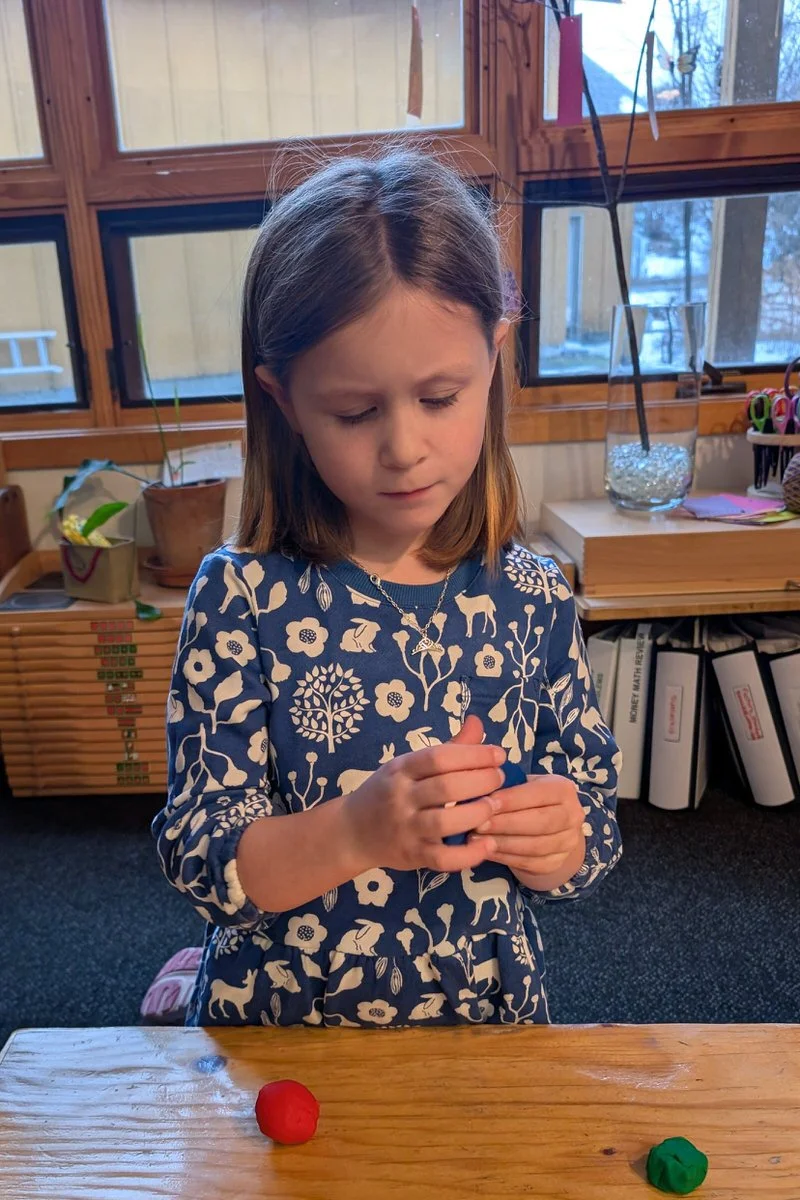
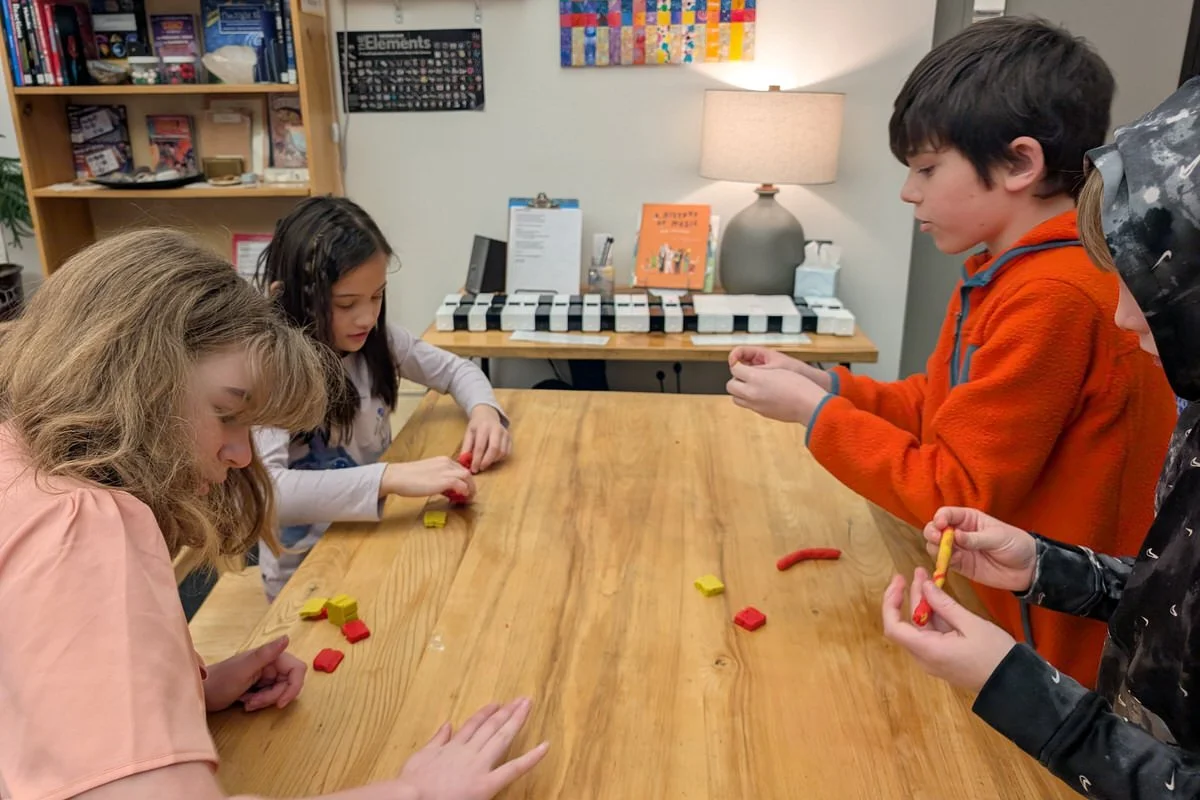
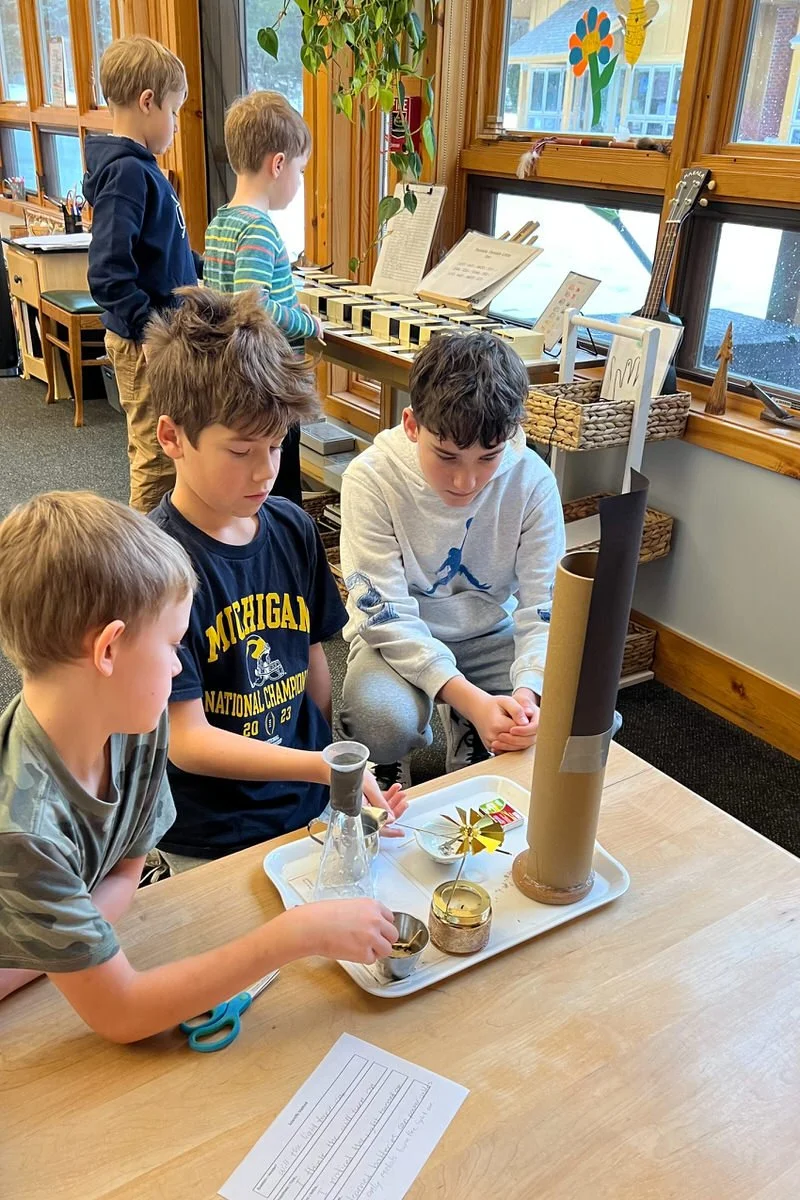
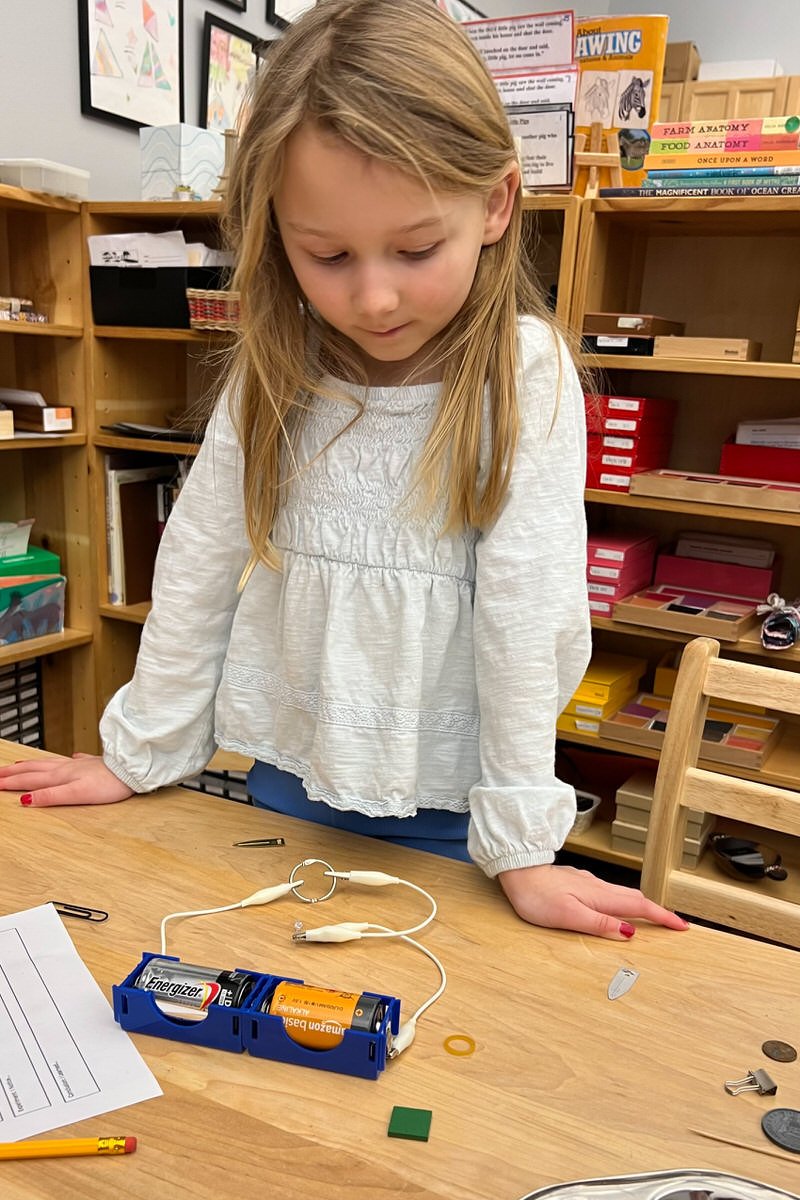
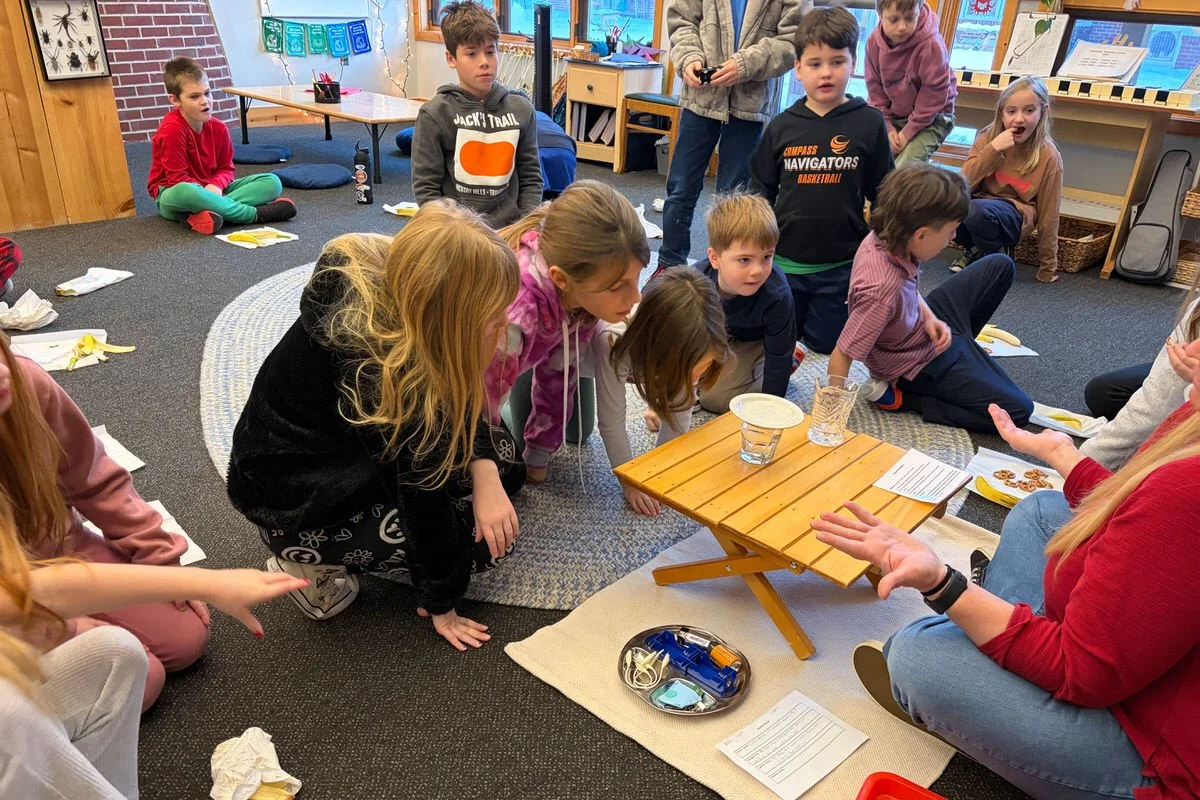
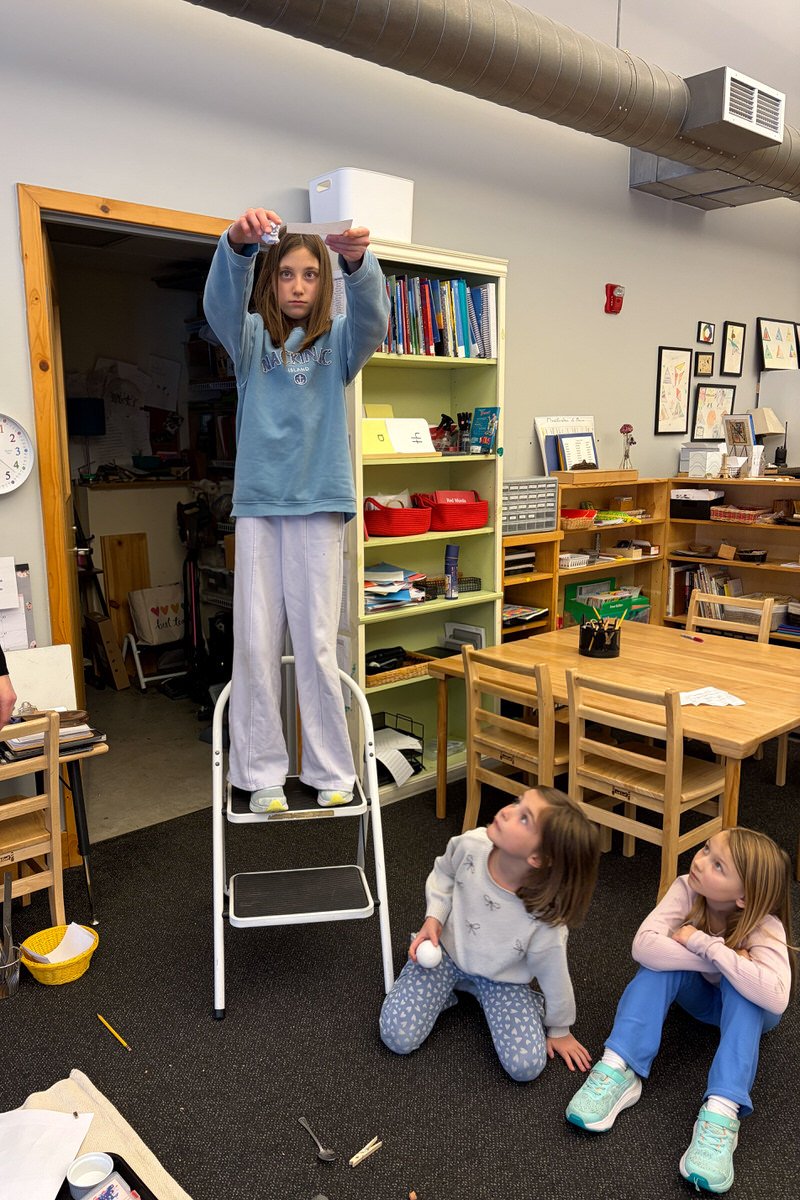
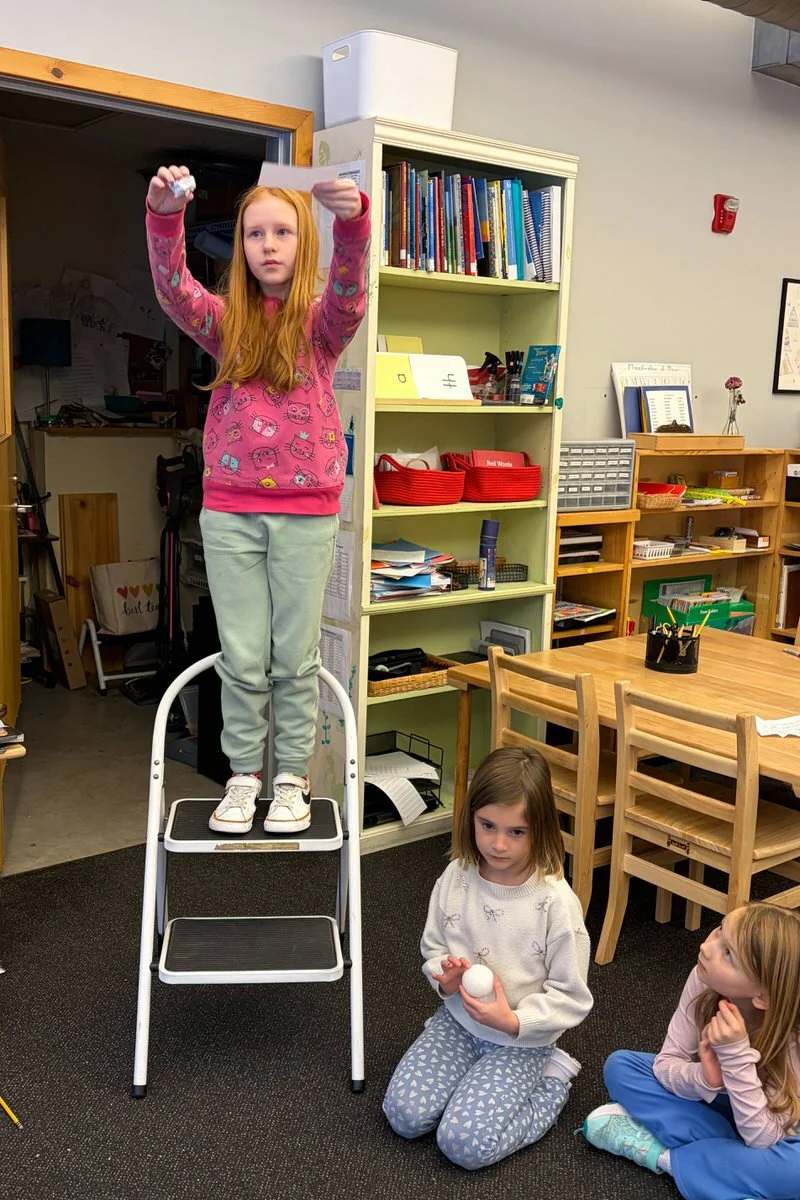
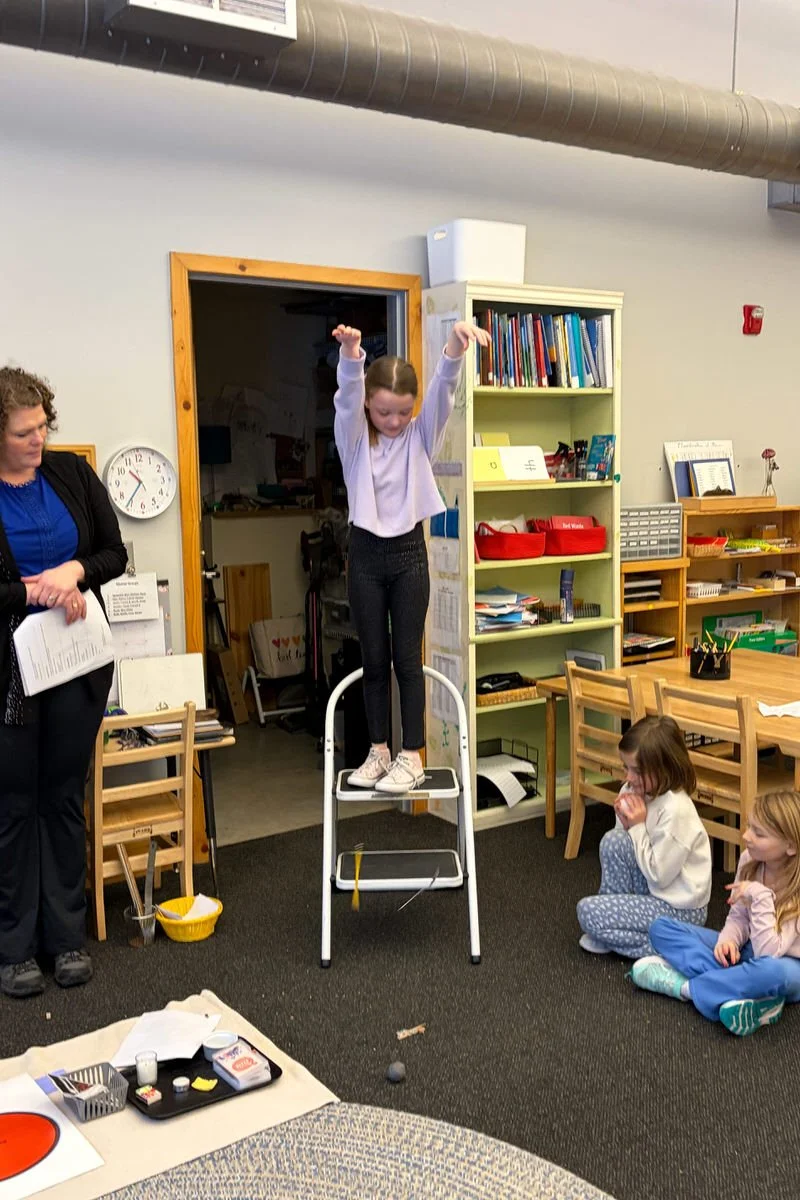
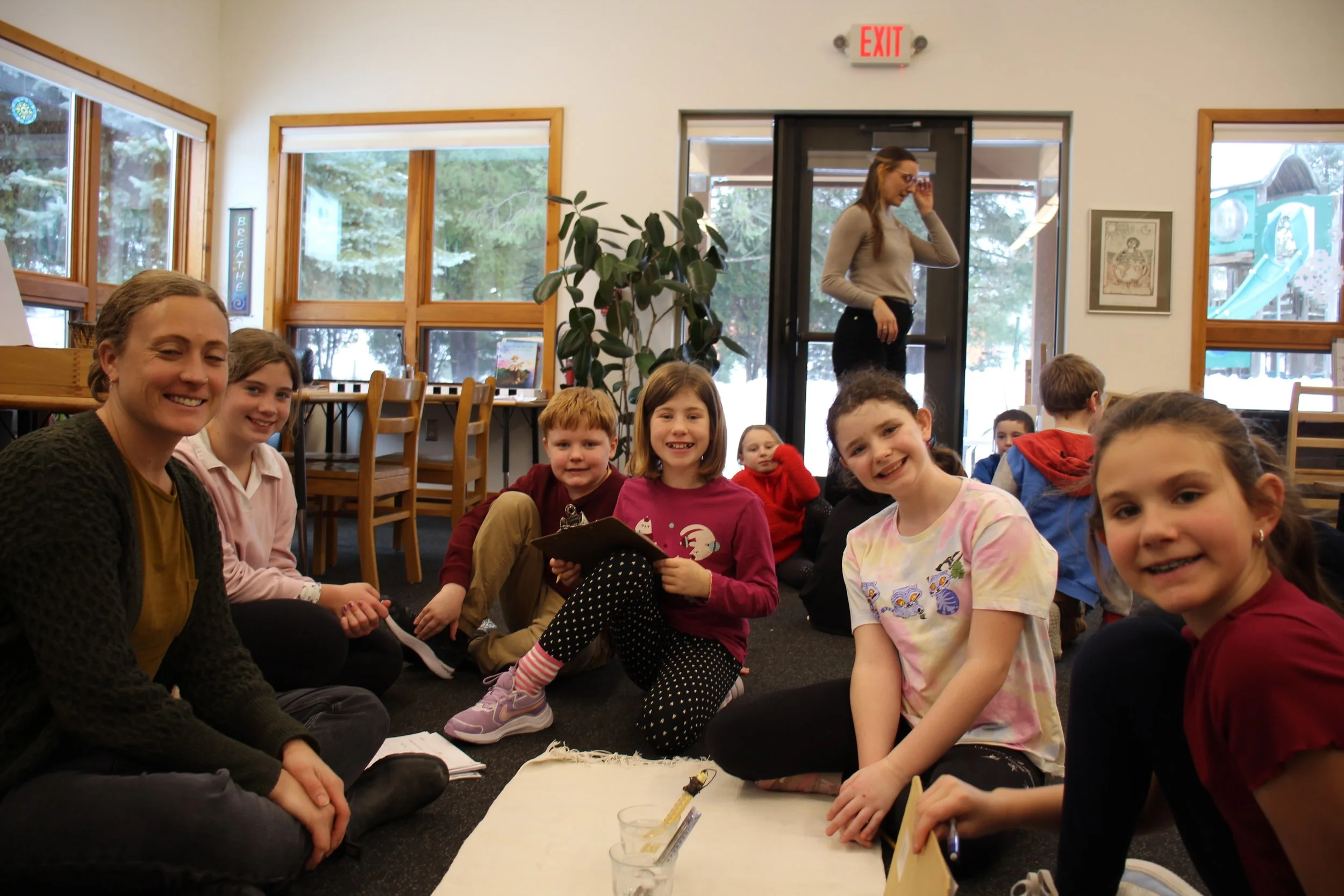
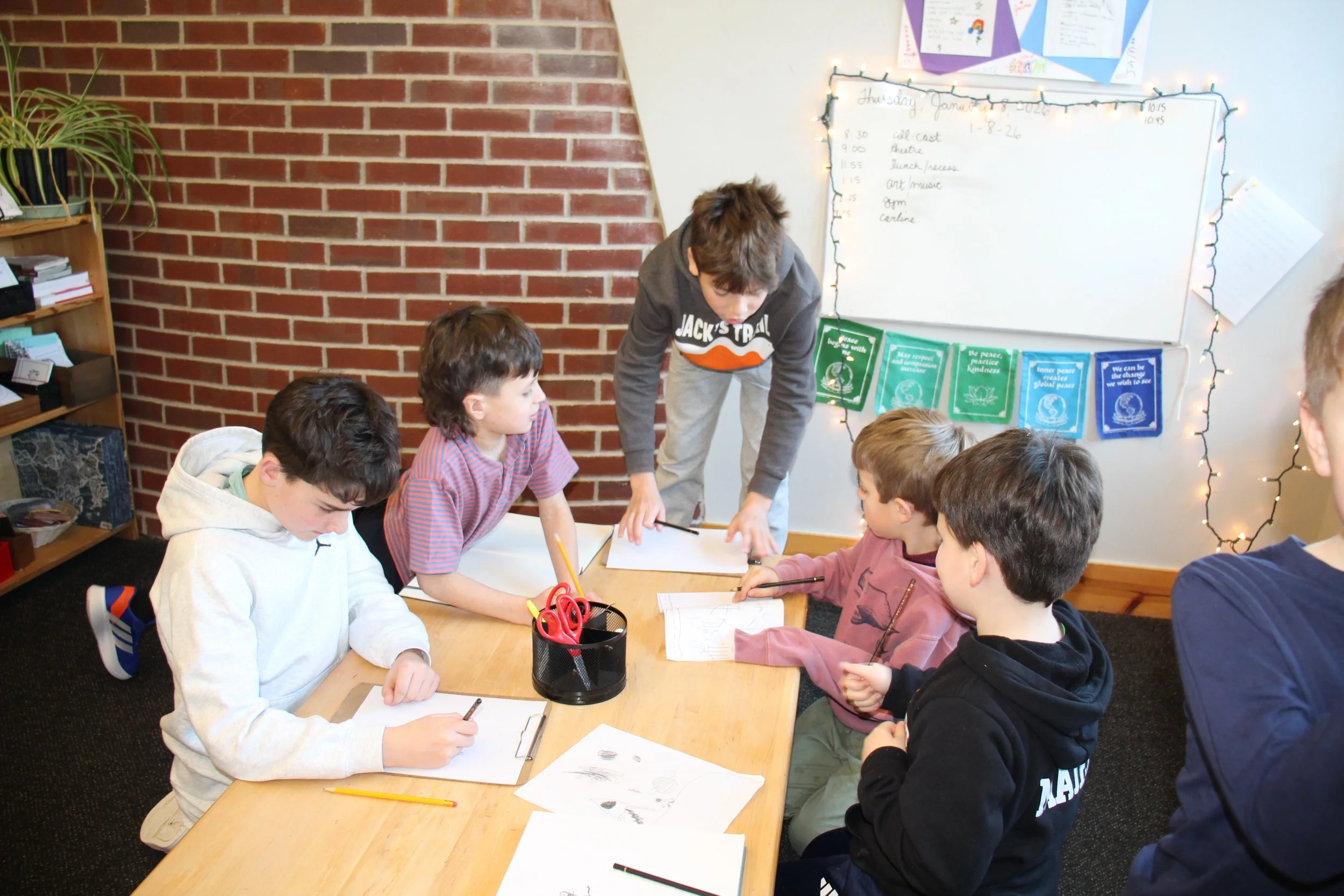
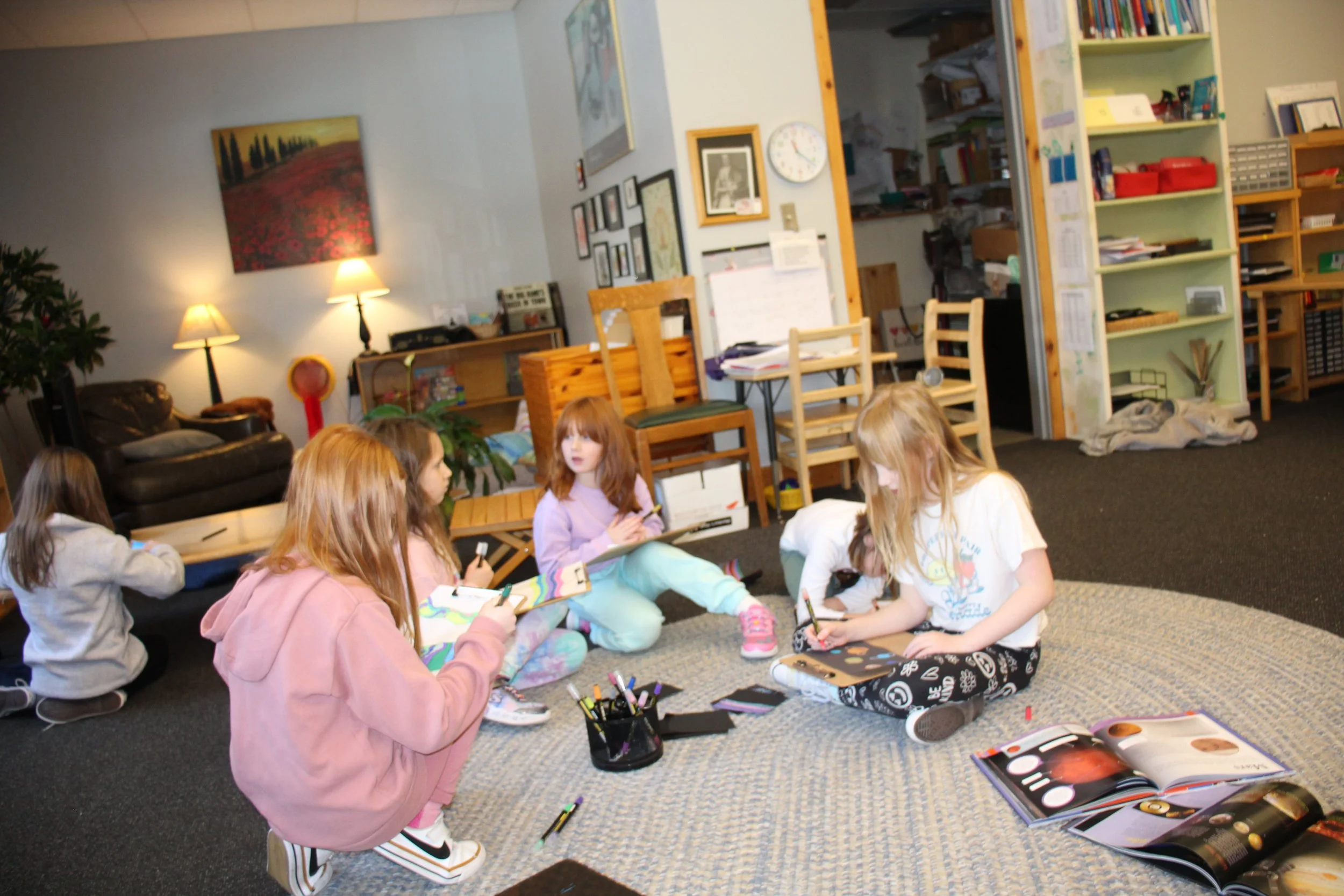
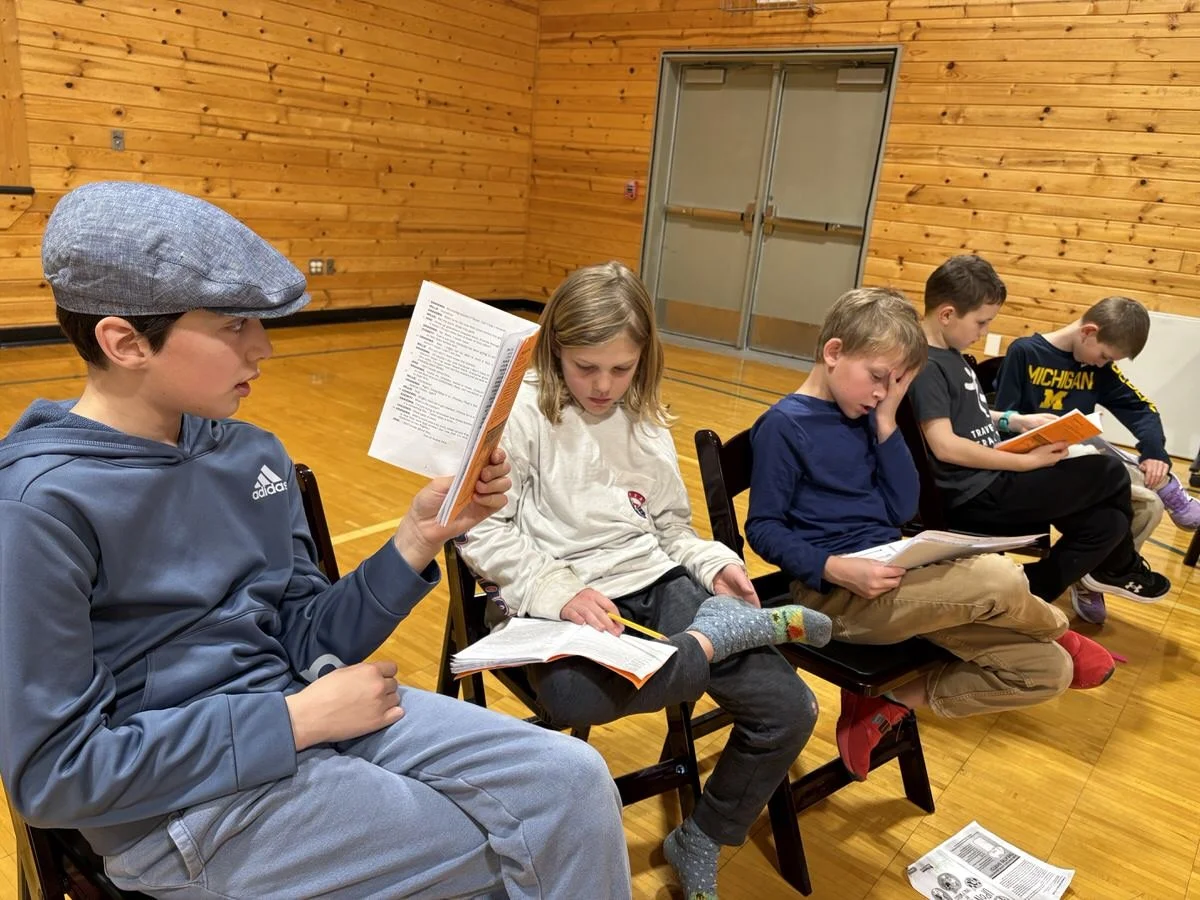
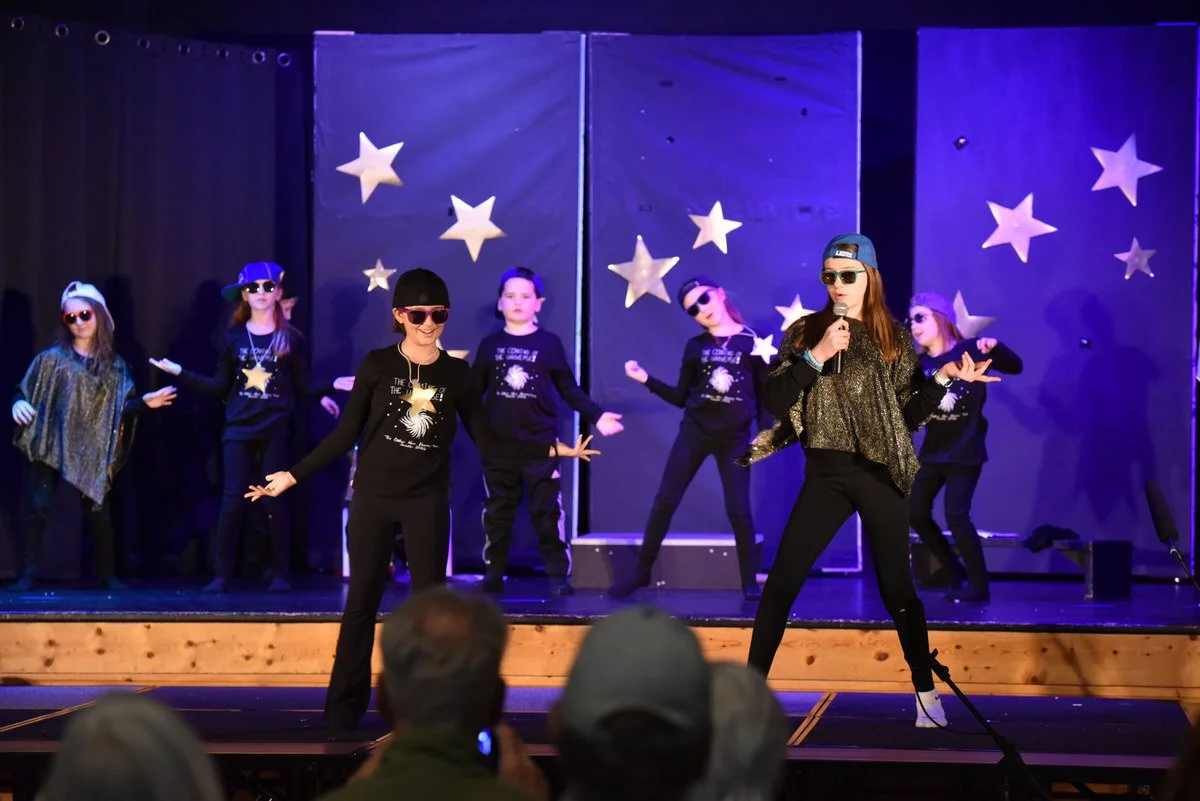
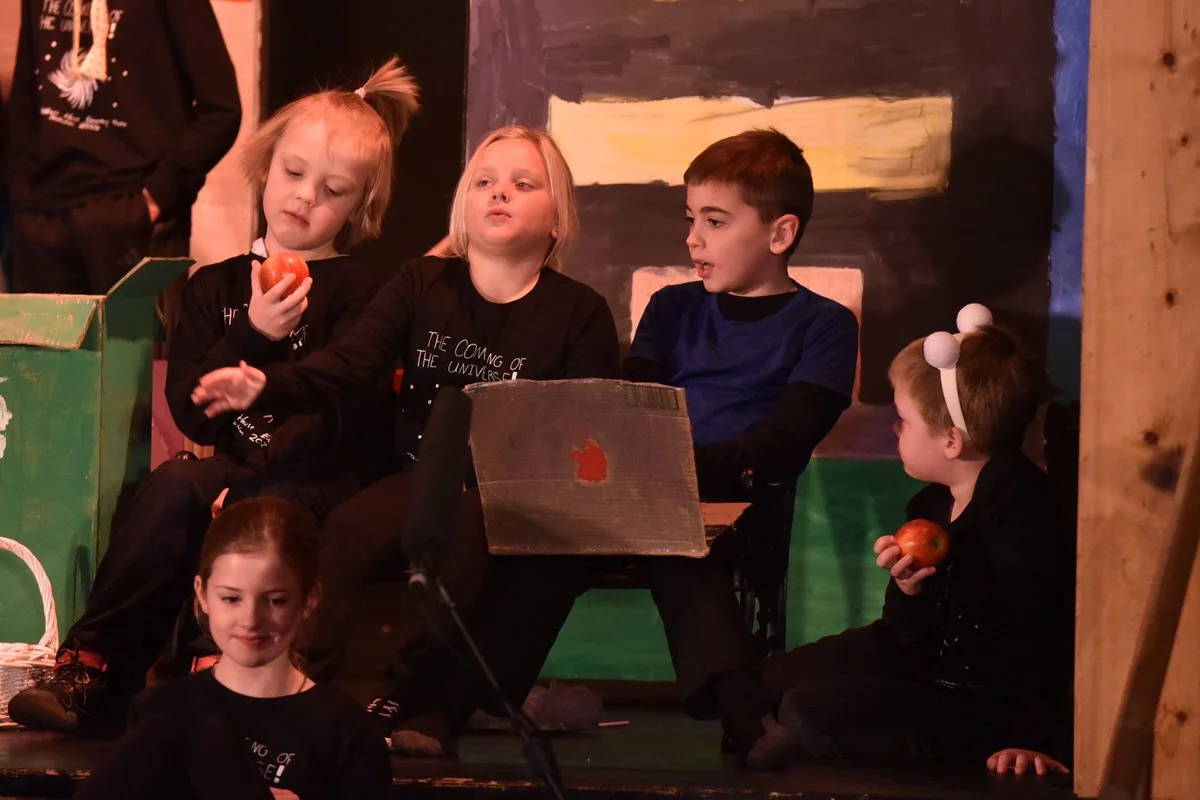
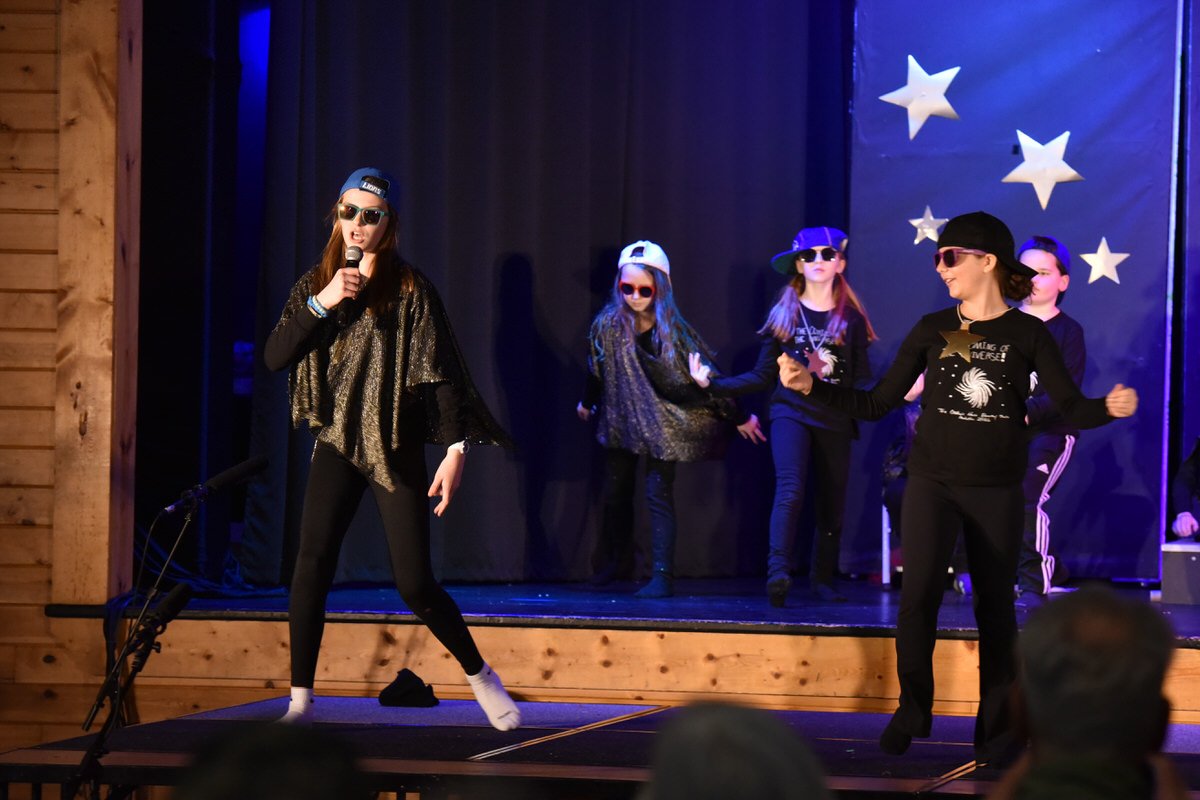
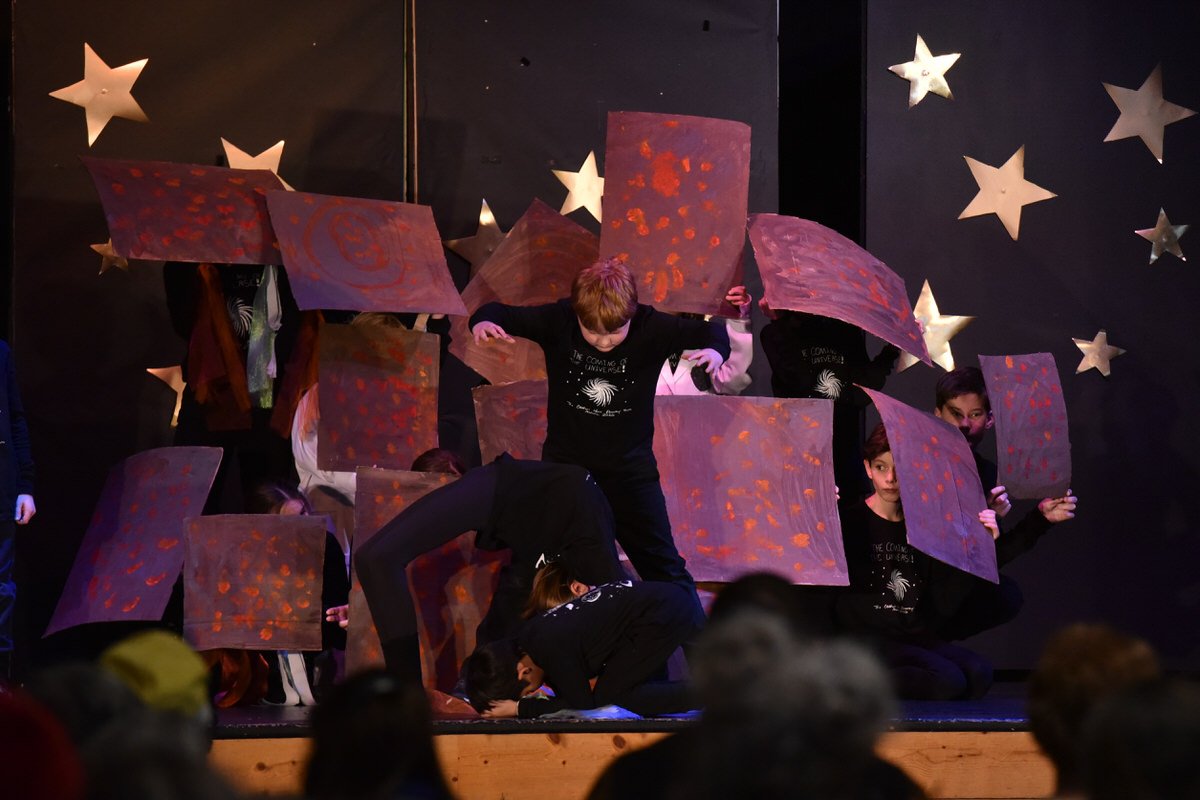
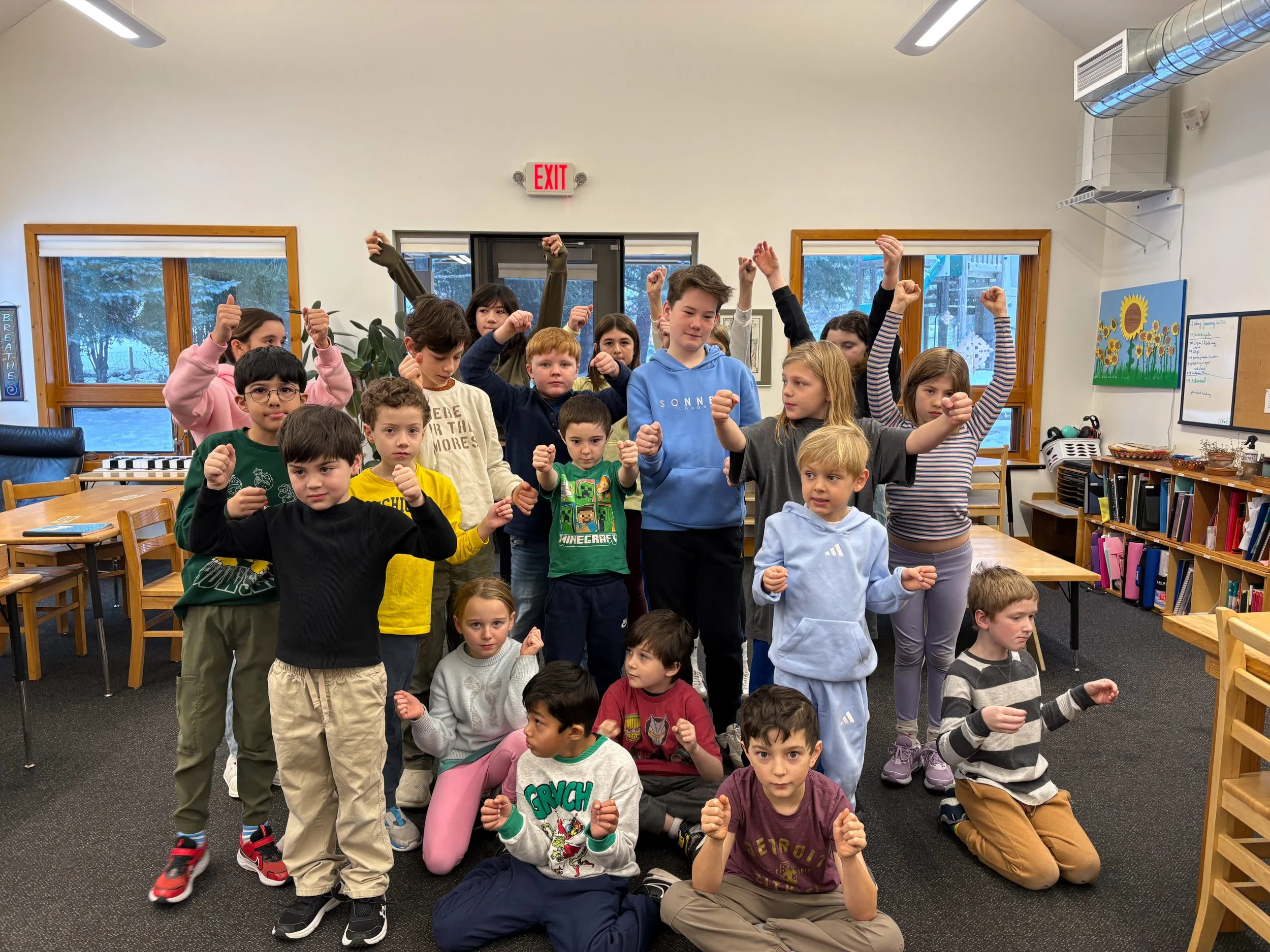
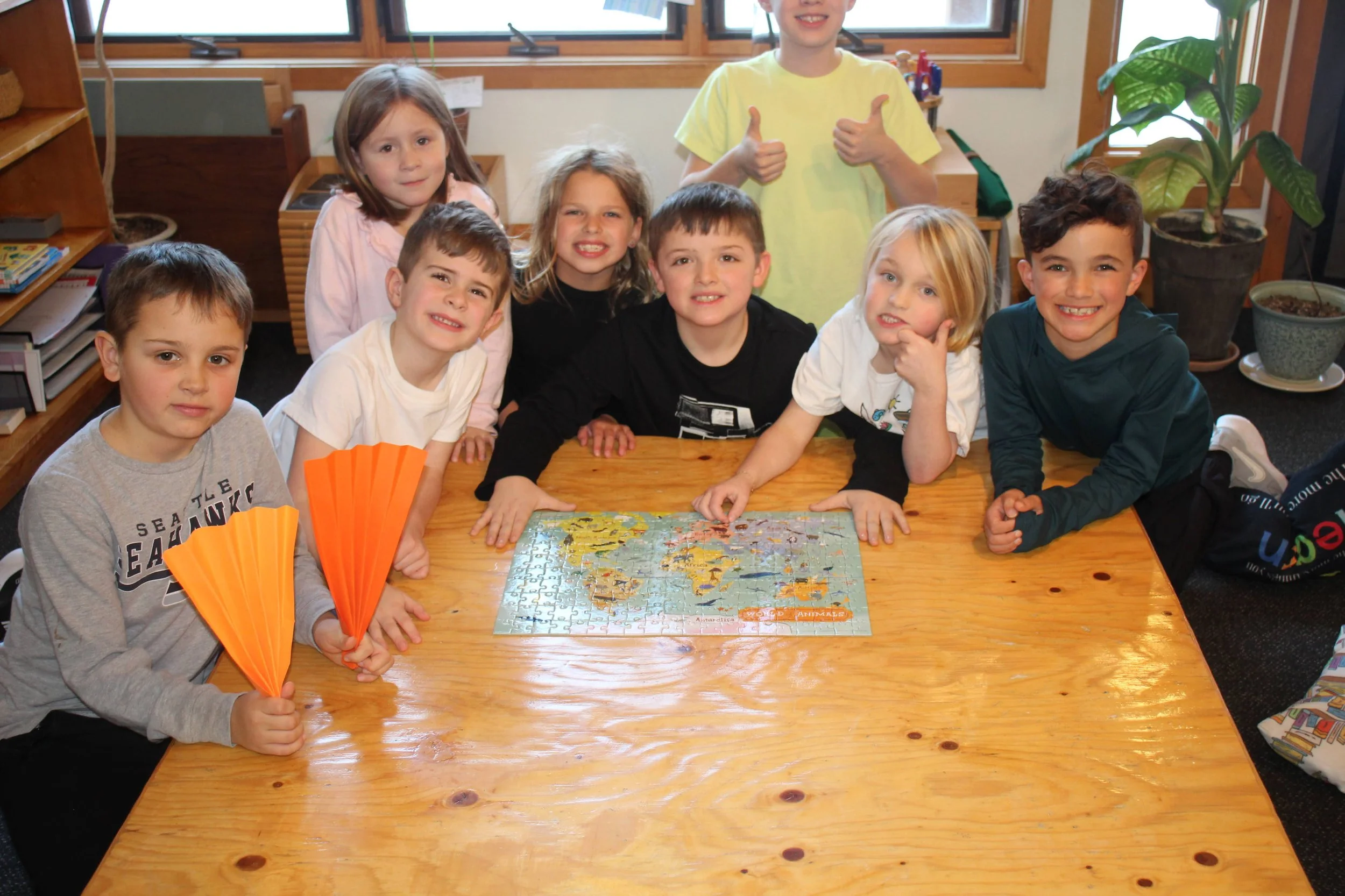
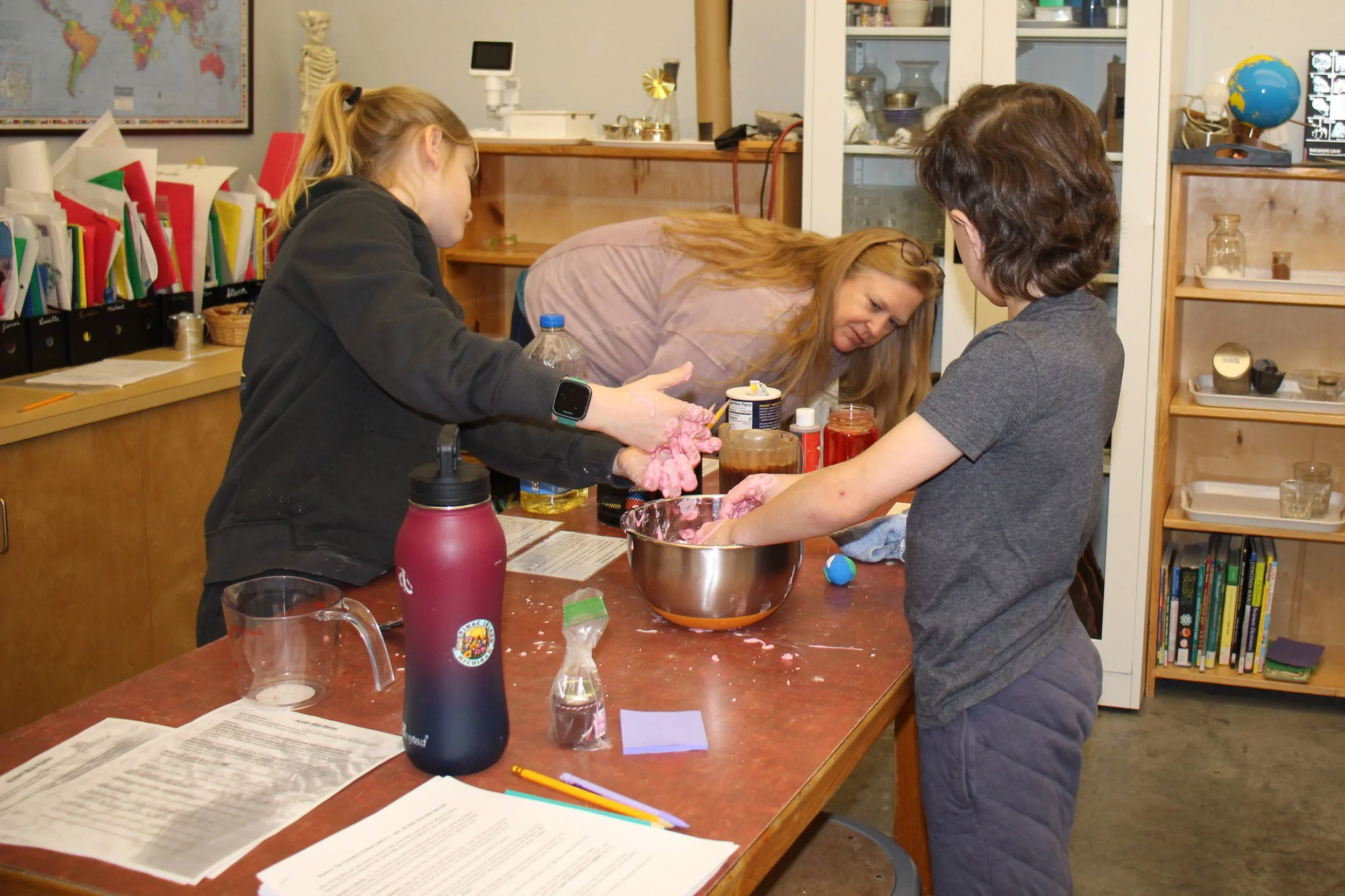
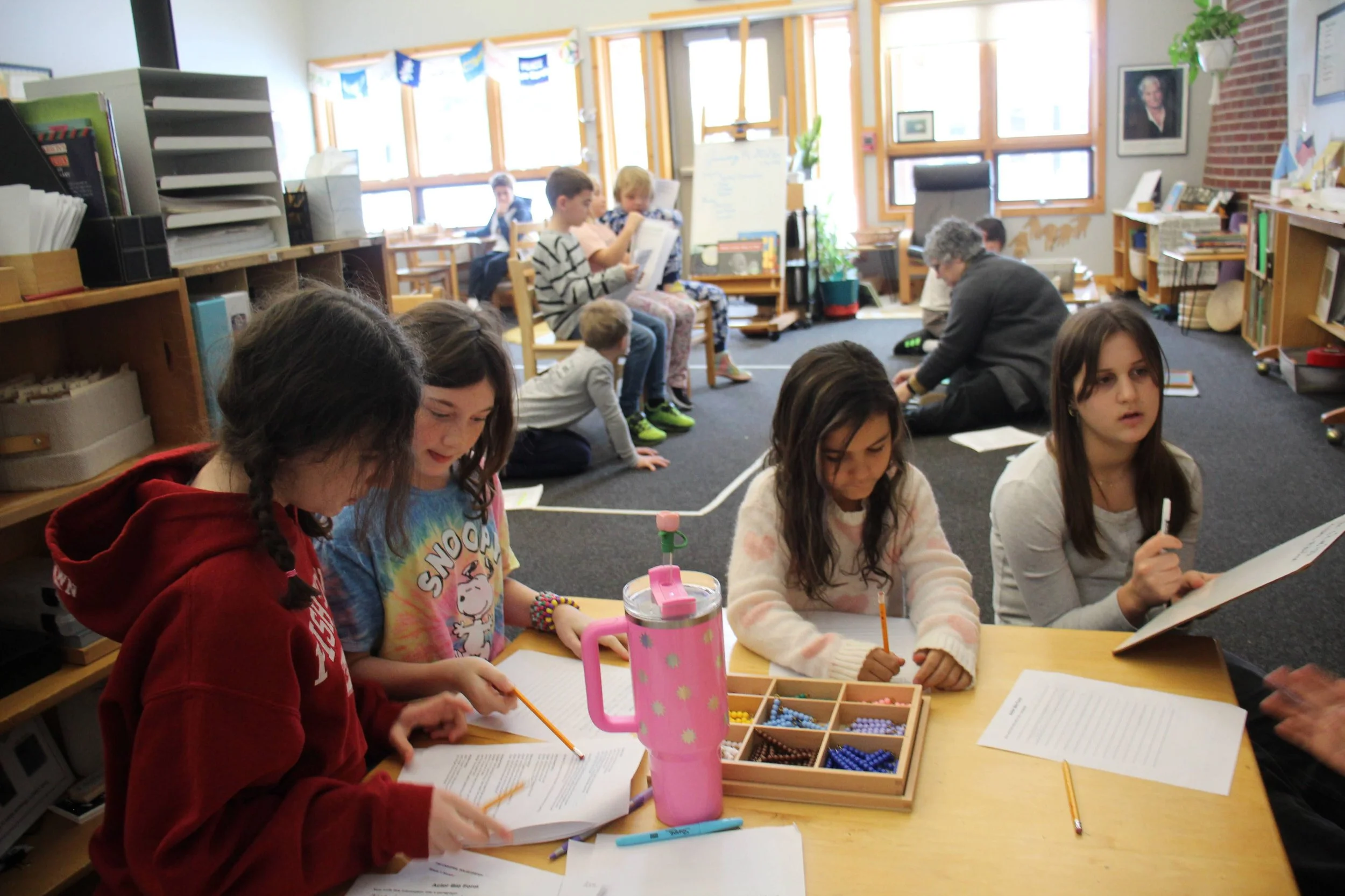
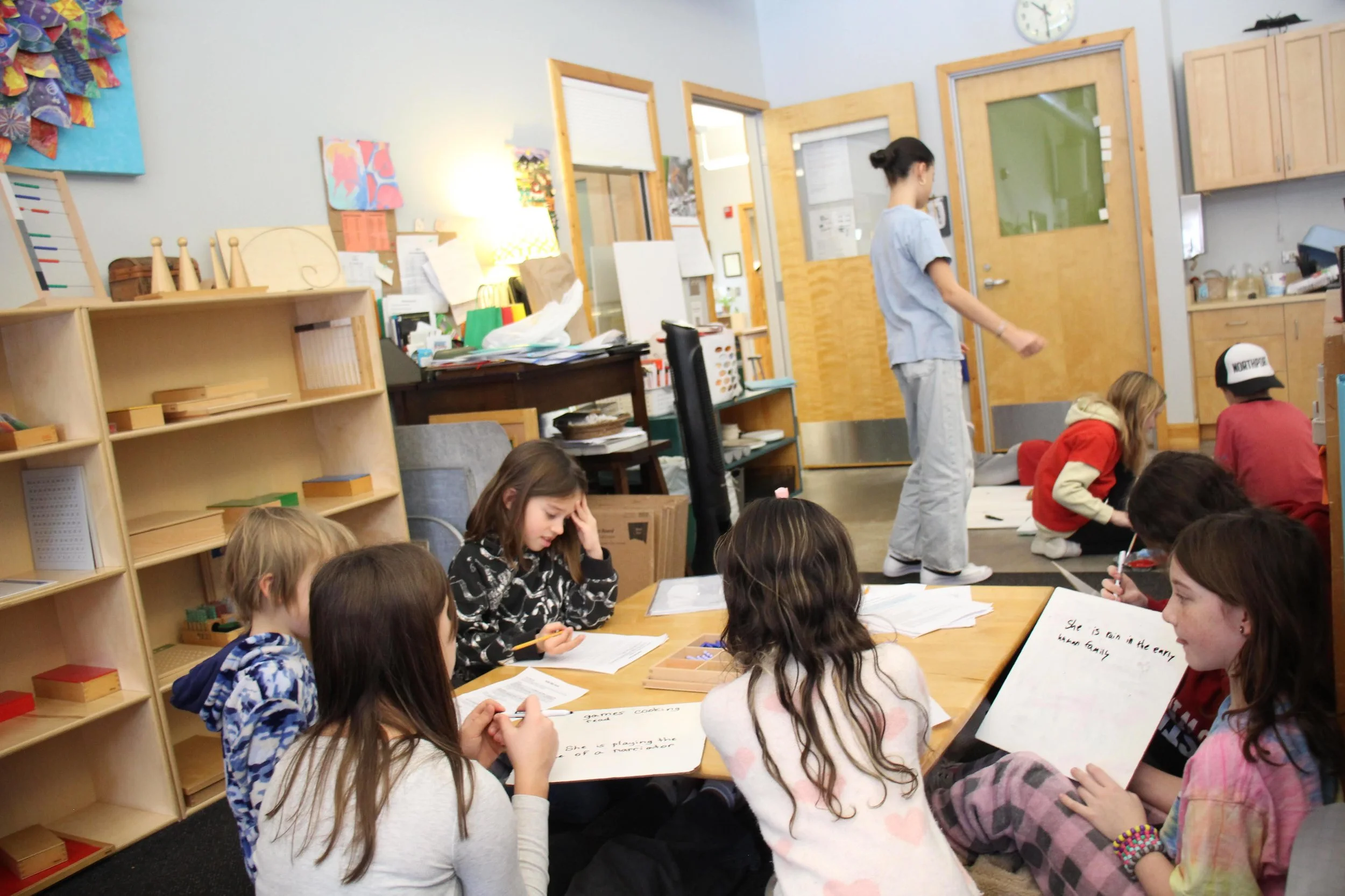
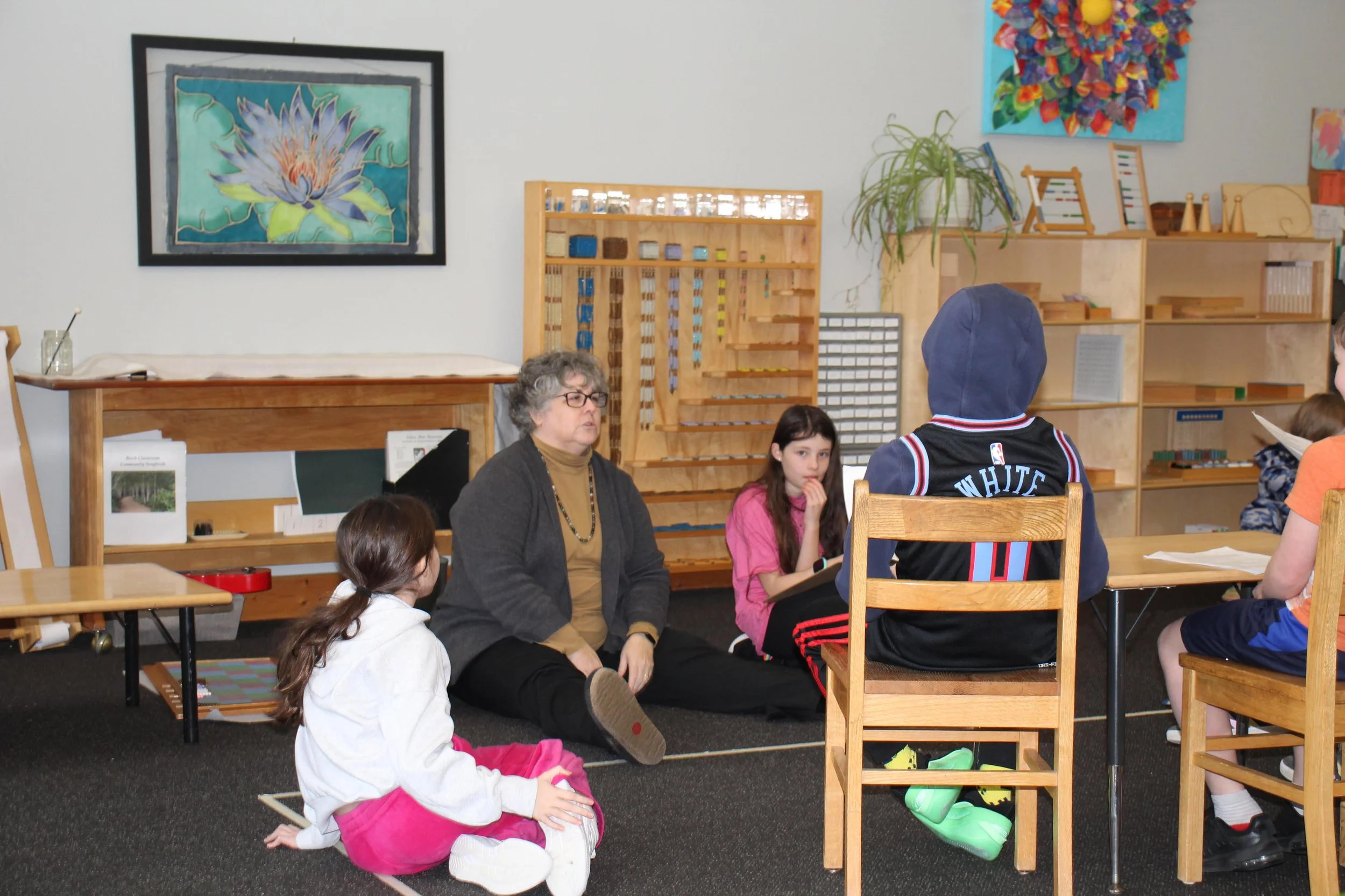
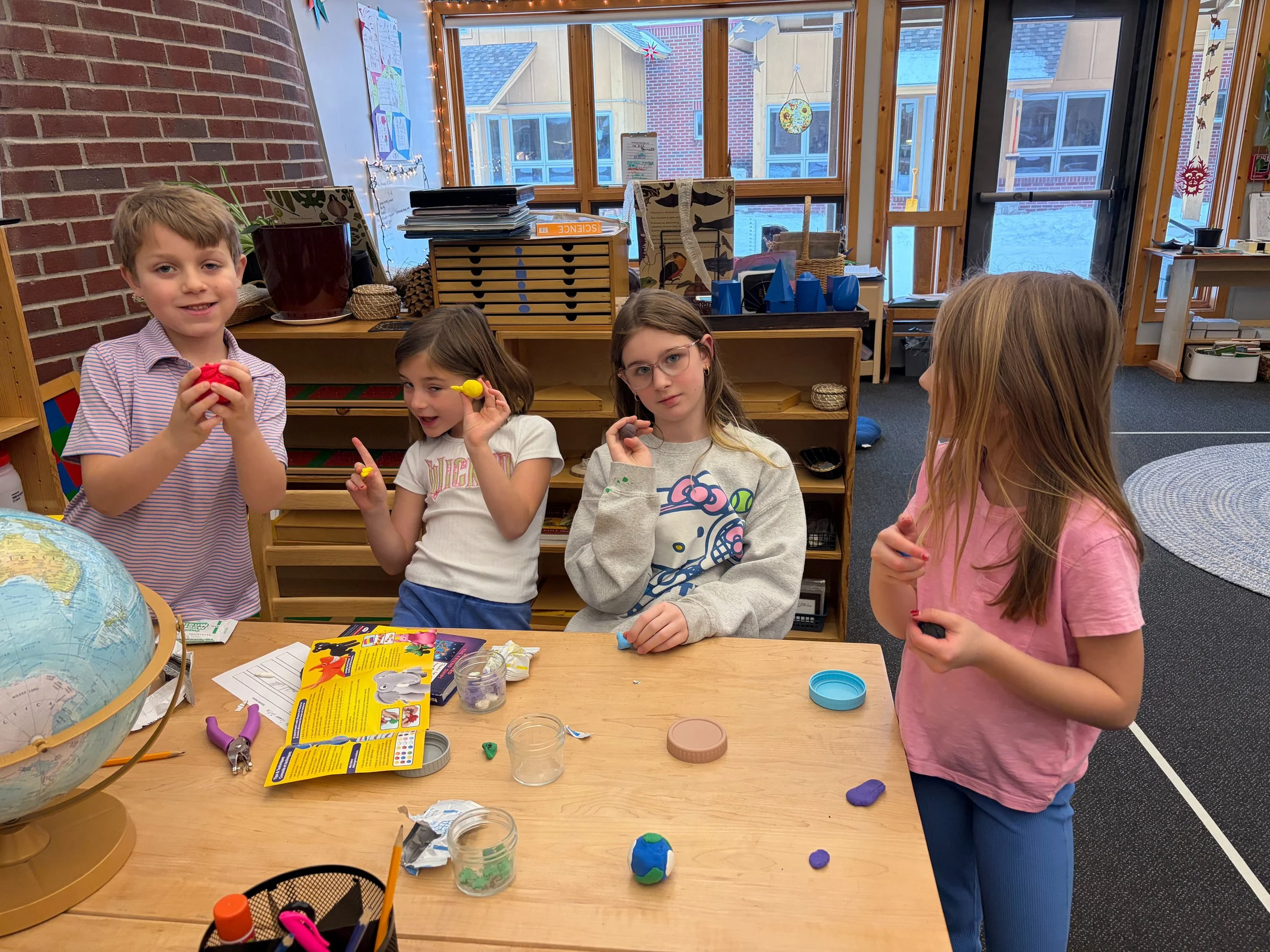
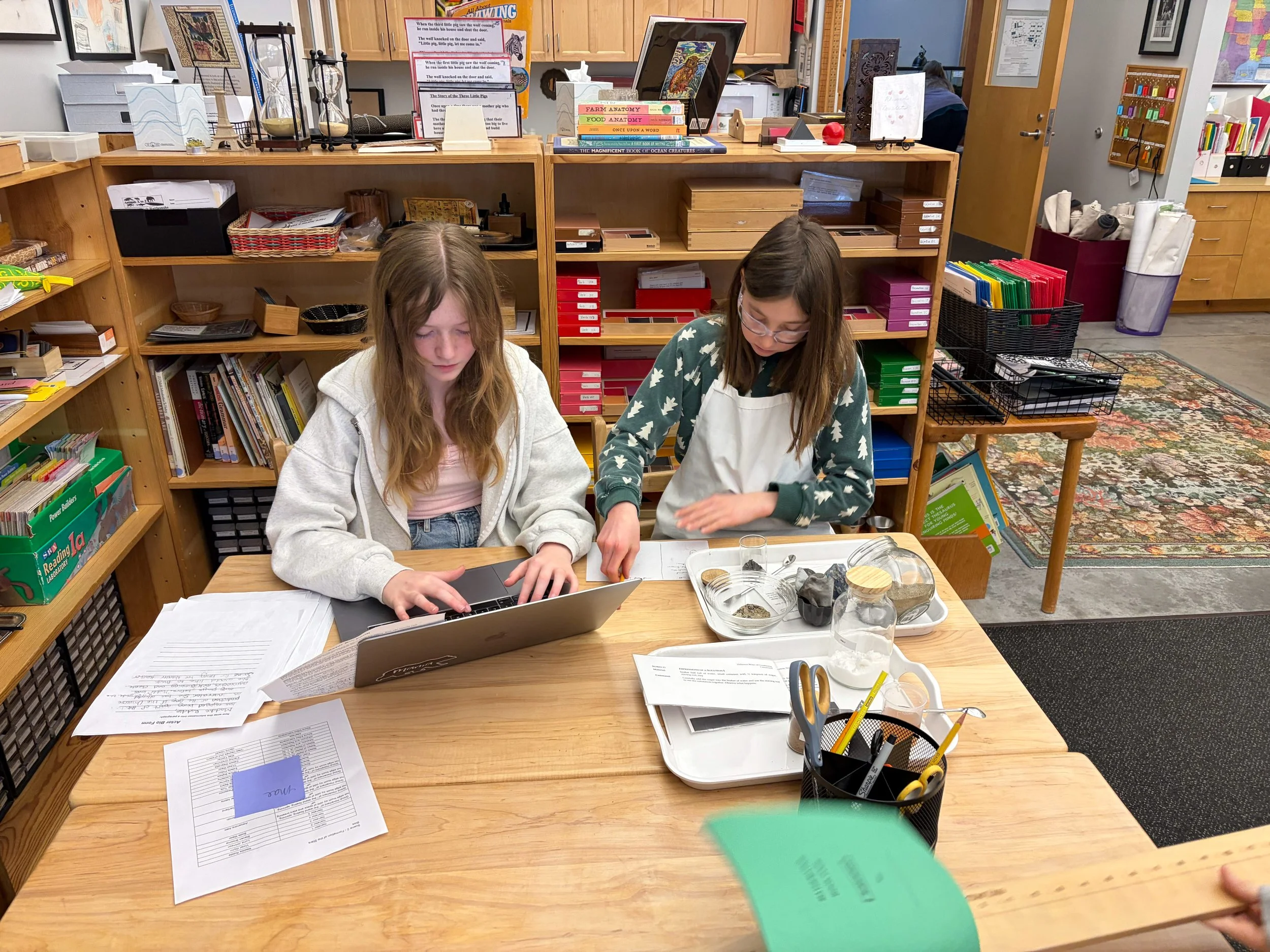
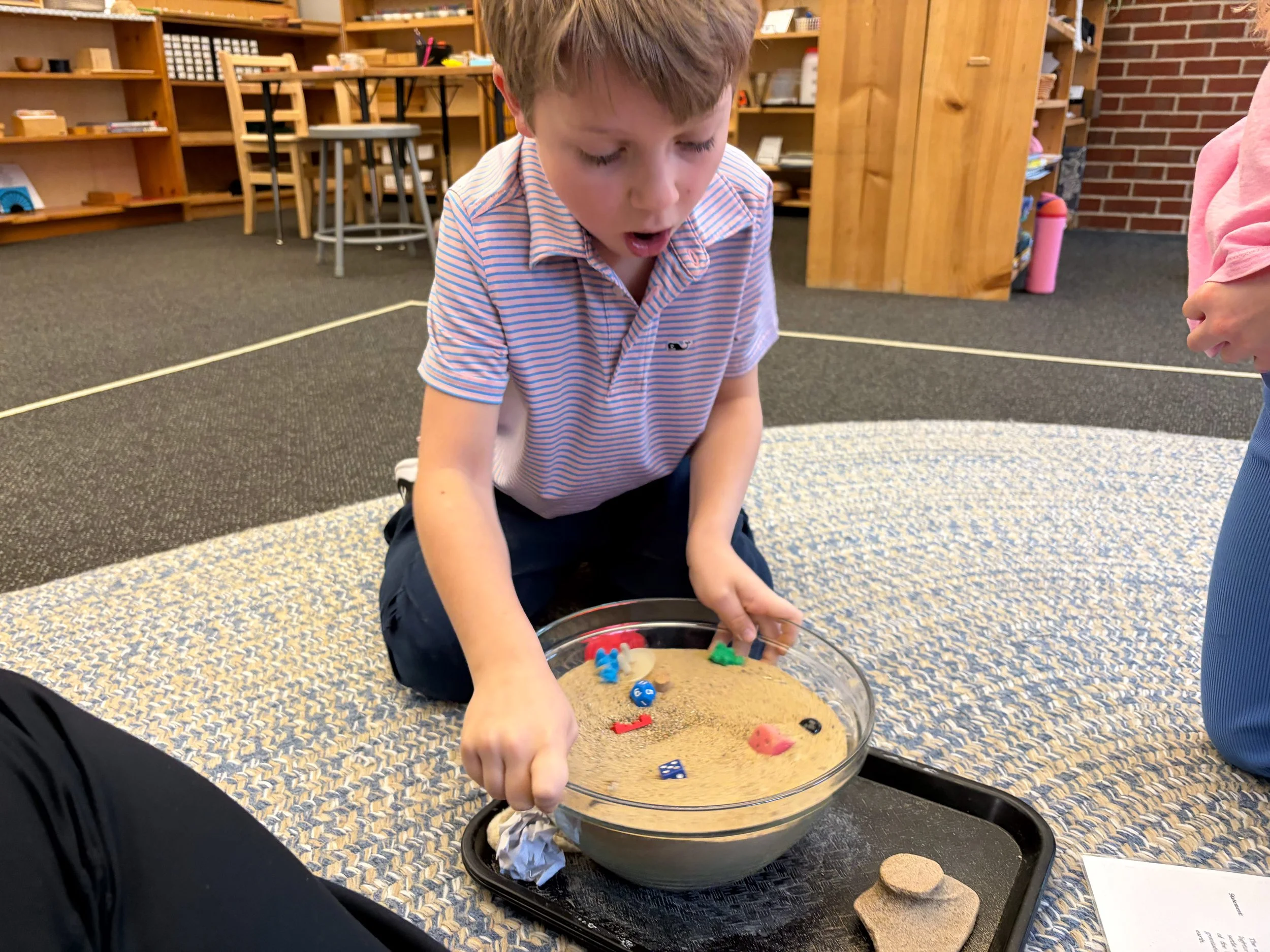
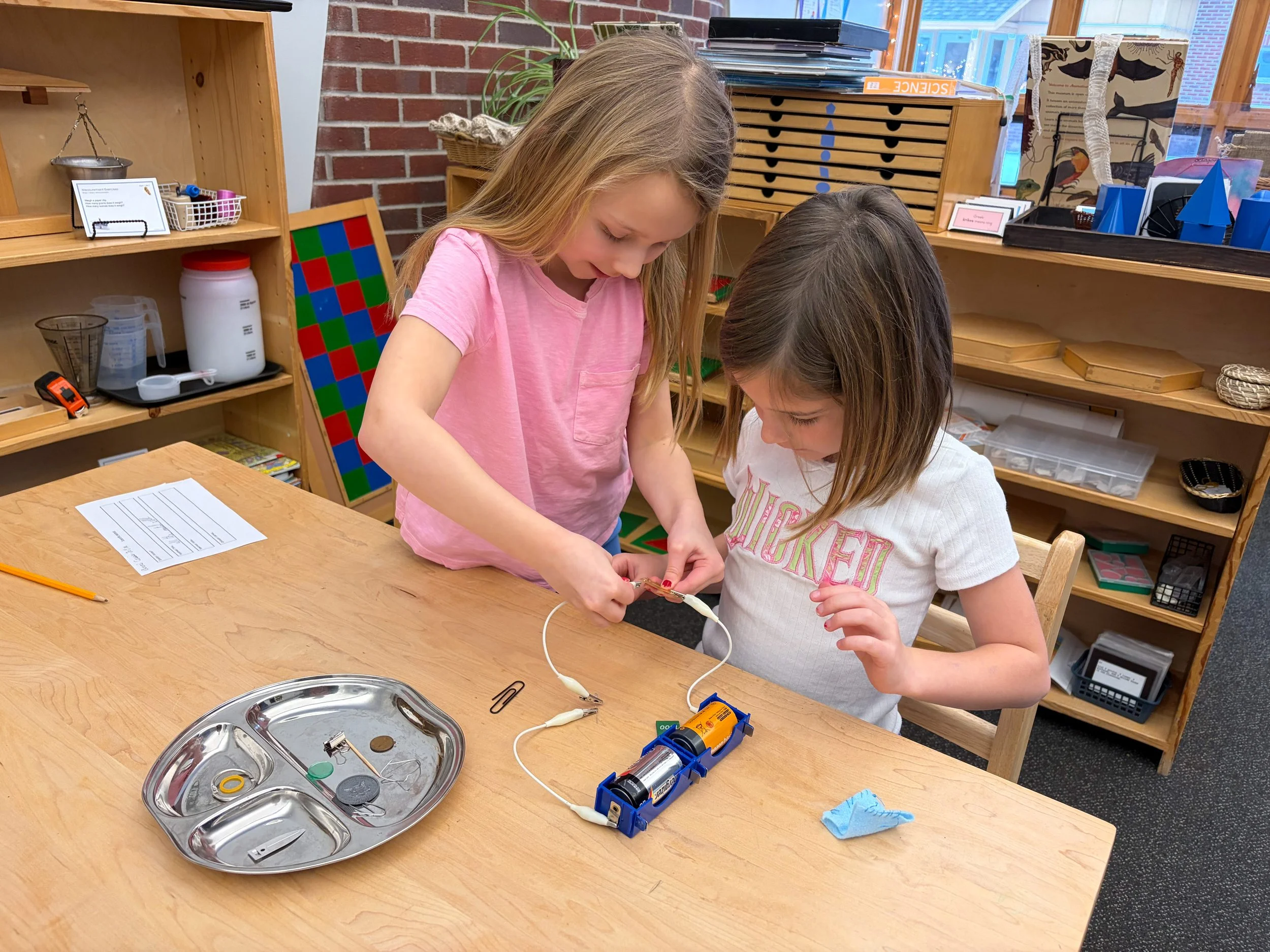
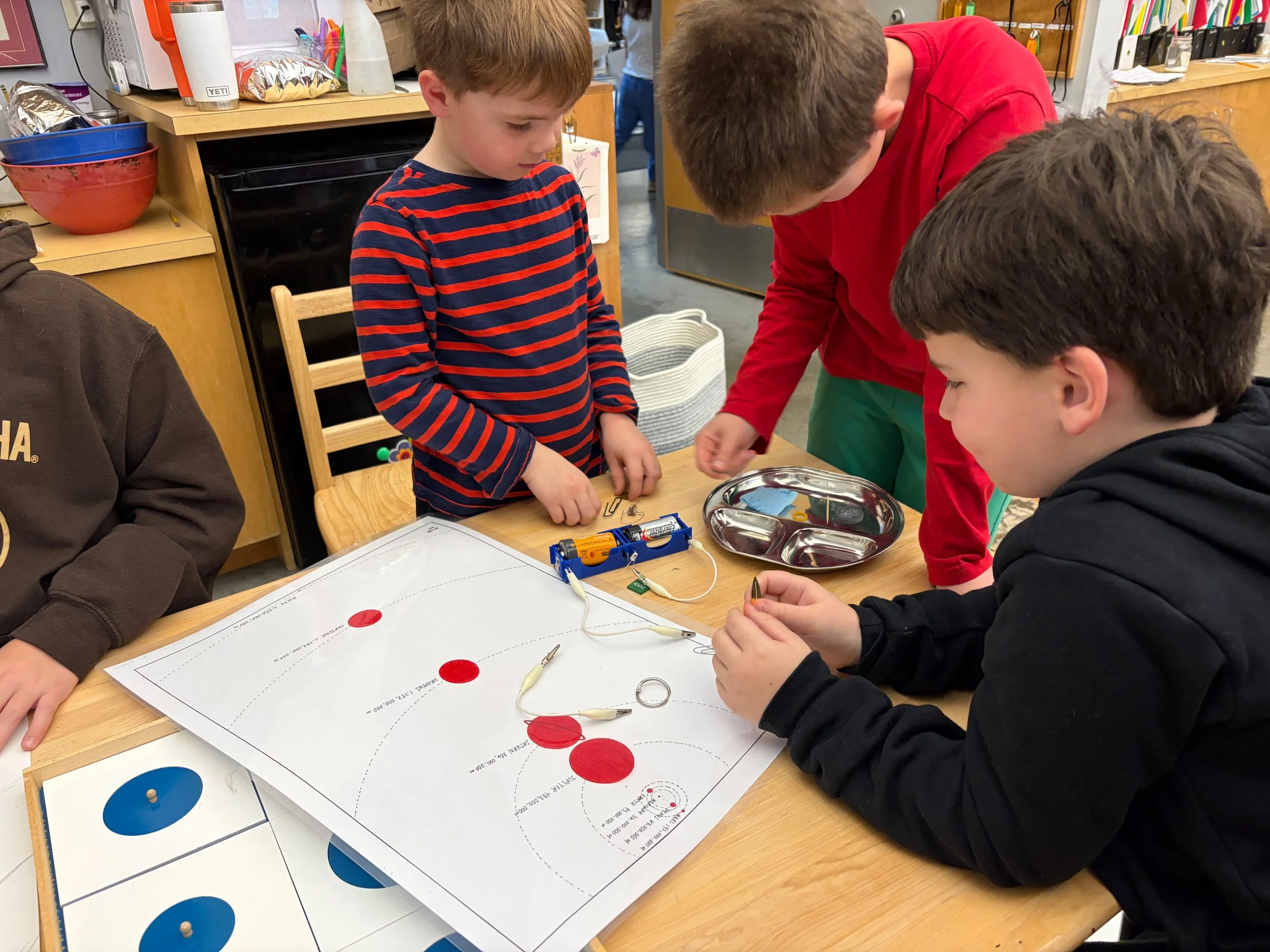
It was such a joy to welcome students from all four elementary classrooms following the break to collaborate on such a large undertaking. We invested our first week together getting to know each other, developing mentor groups to support our younger students, learning theatre games, and creating a new community within a community. While we read through the script once, our primary focus that first week was to understand what we would be trying to communicate to our audience theatrically about the formation of the stars and the first laws of the universe. We dove into lessons and experiments on states of matter, gravity, magnetic forces, hot and cold particles, how temperature and force affect states of matter, the life cycle of a star, the distance of the earth and planets to the sun, constellations and more while also enjoying sketching time and listening to Gustov Holst’s The Planets and George Crumb’s Spiral Galaxy.
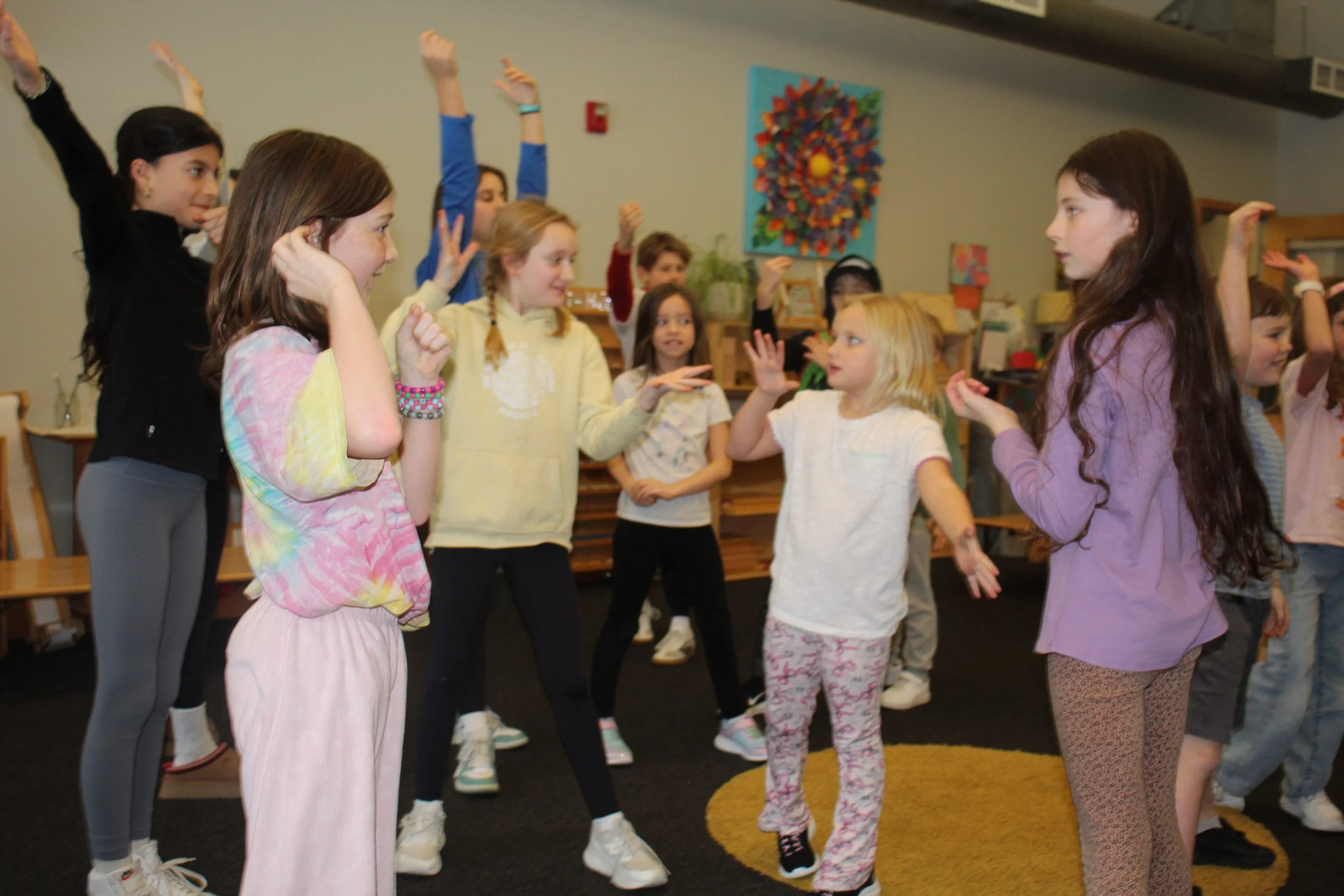
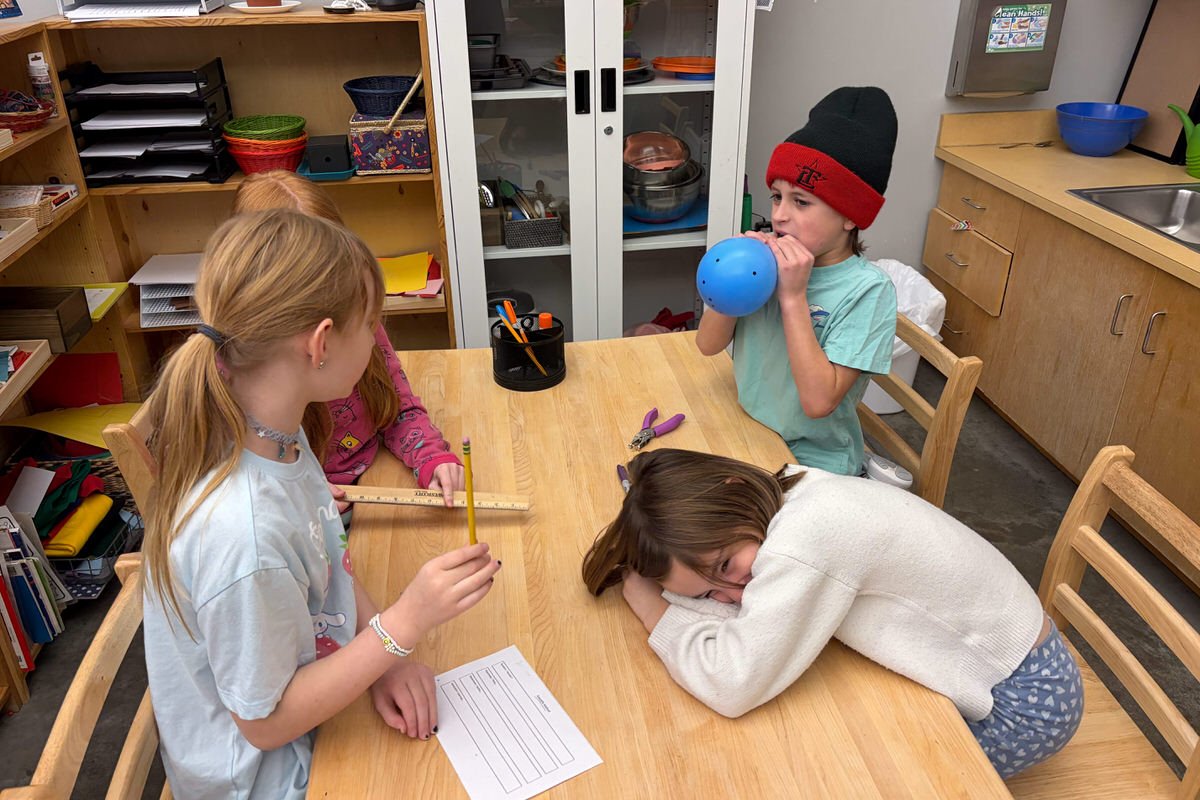
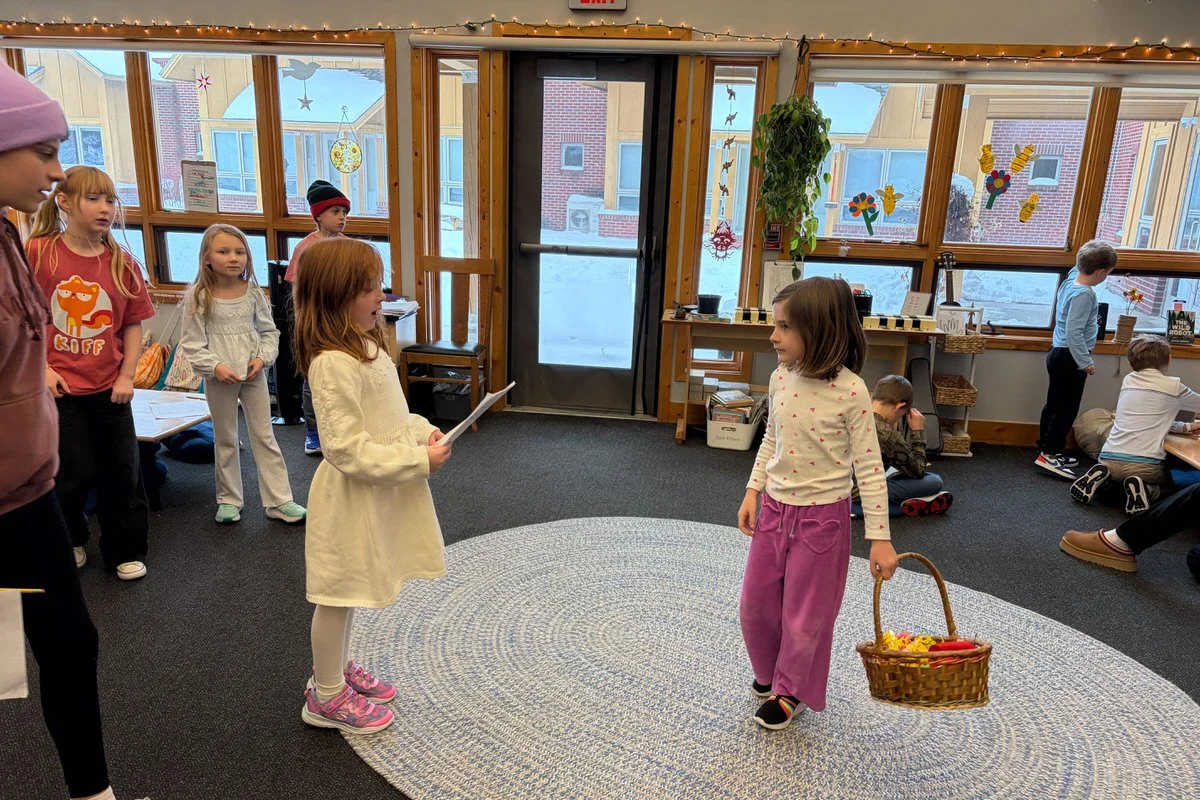
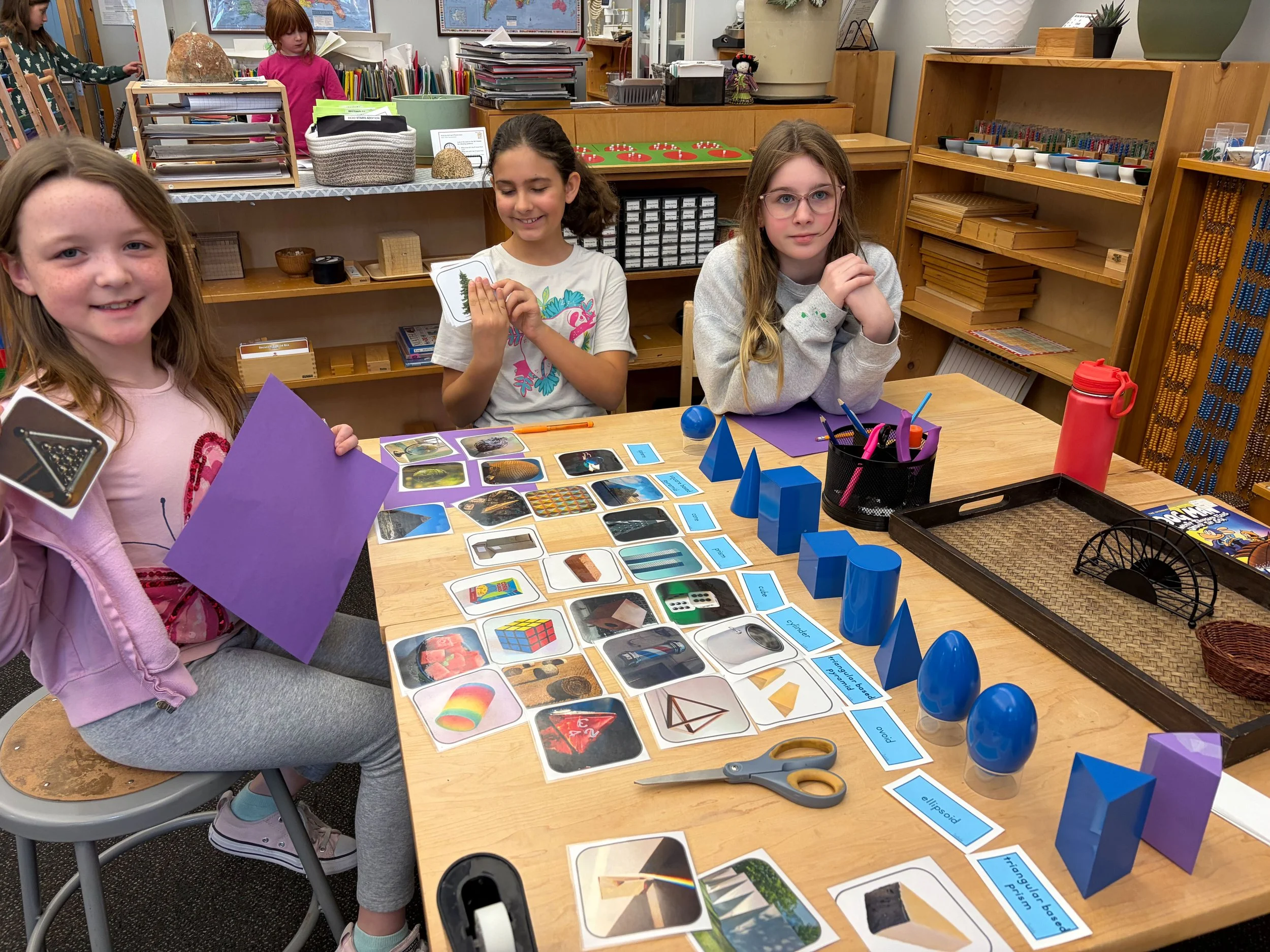
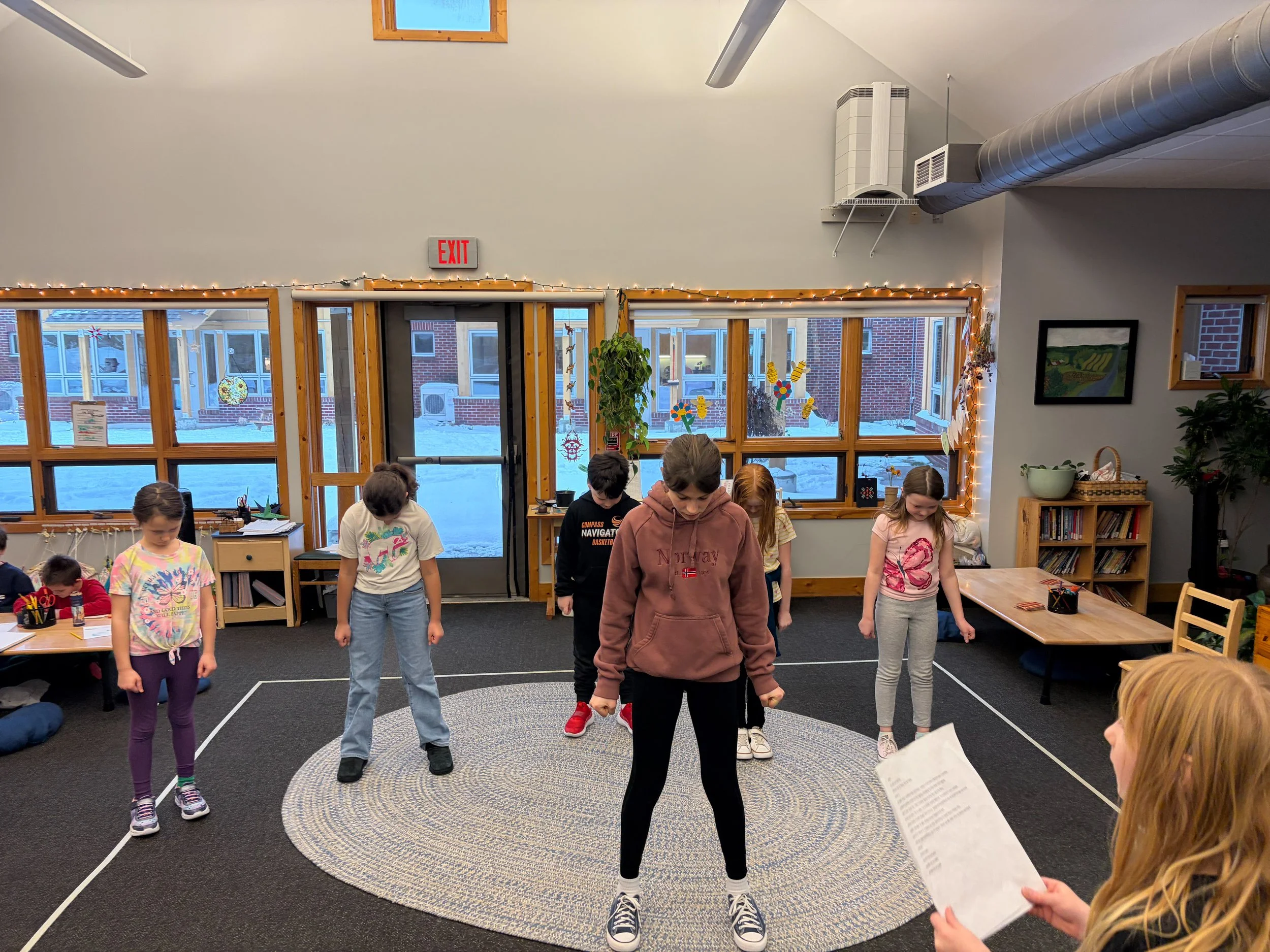
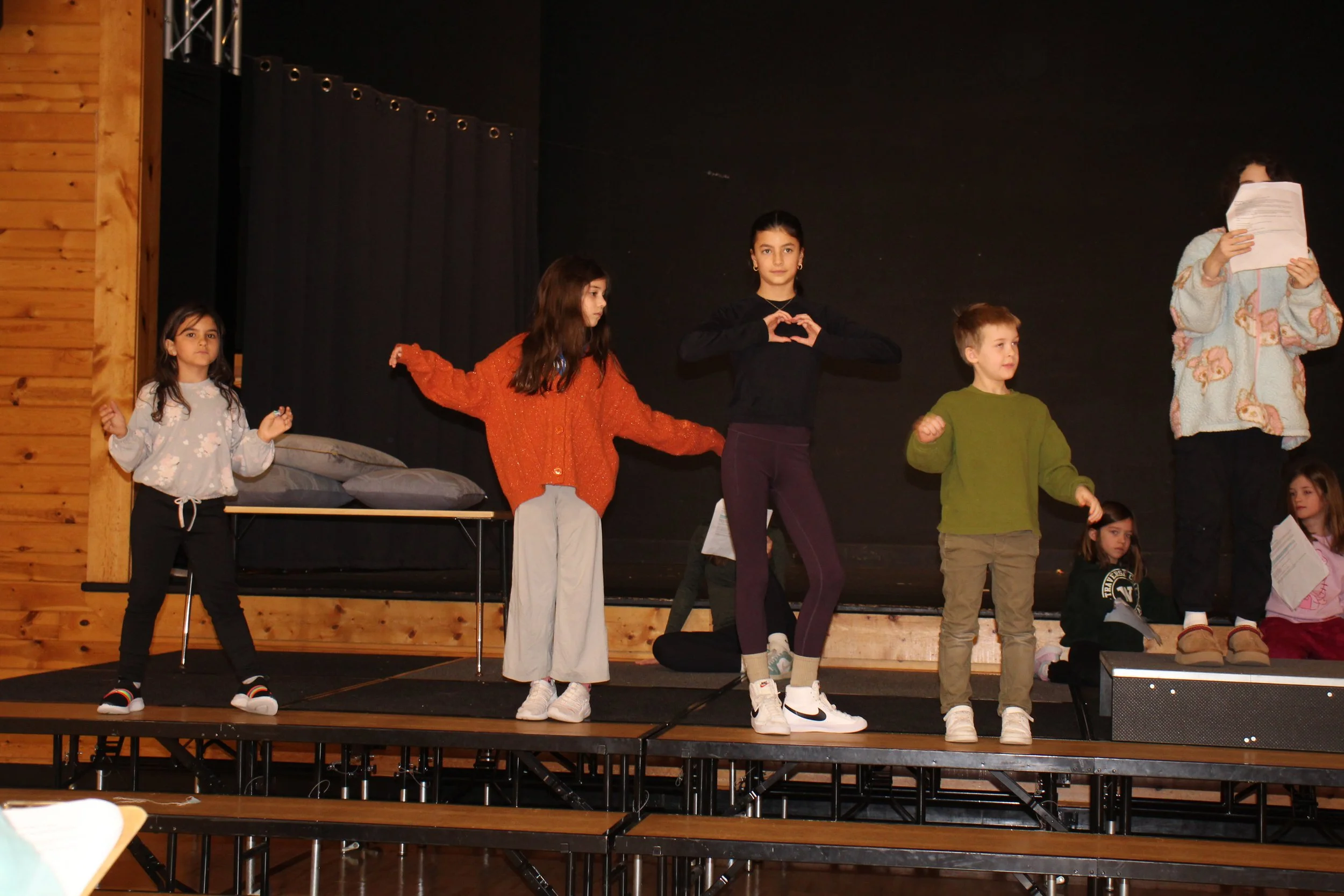
During week two, we moved into work on character, articulation, projection, blocking, plot, setting, and stage work as we began to set our scene into motion. The students had so many ideas on costumes, props, set, music, and yes, the desire to rewrite “Ice Ice Baby” to talk about the states of matter. We had lessons on geometric solids and how our ancient Greek set pieces, Periaktoi, are triangular-based prisms that allow you to have a new set with each turn! It was a wonderful deep dive into theatre and how to make a scene come together. It was beginning to take shape.
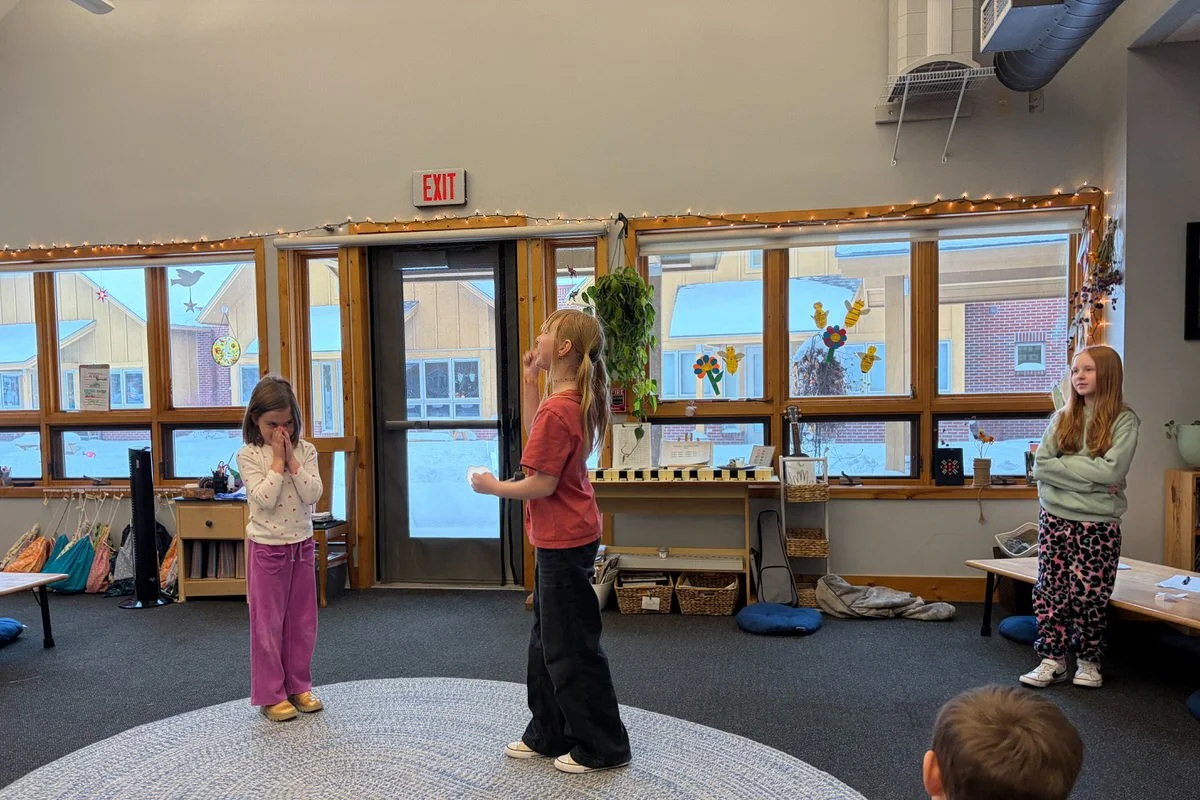
Week three focused on rehearsing, working the scene, exploring deeper character work, choreography, creating our bio board, and moving our scene to the stage. It was such hard work, but a tremendous amount of fun watching them create, learn, explore, discover, grow their confidence, step outside their comfort zones, and collaborate throughout this process. They were even able to learn a huge lesson on what happens in live theatre when actors fall to illness or scheduling conflicts! Our whole scene had to come together and rework, as we were missing four actors on the day of the show. They came together beautifully while supporting one another to present their work to you!
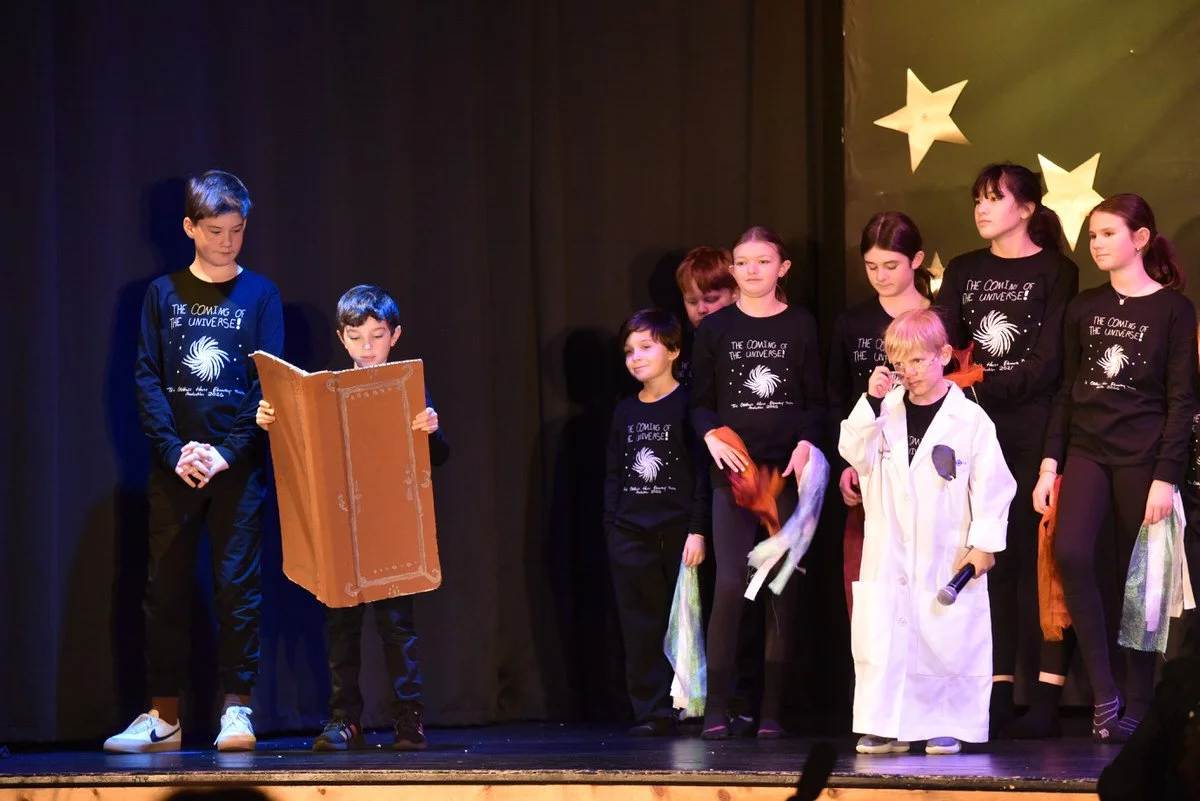
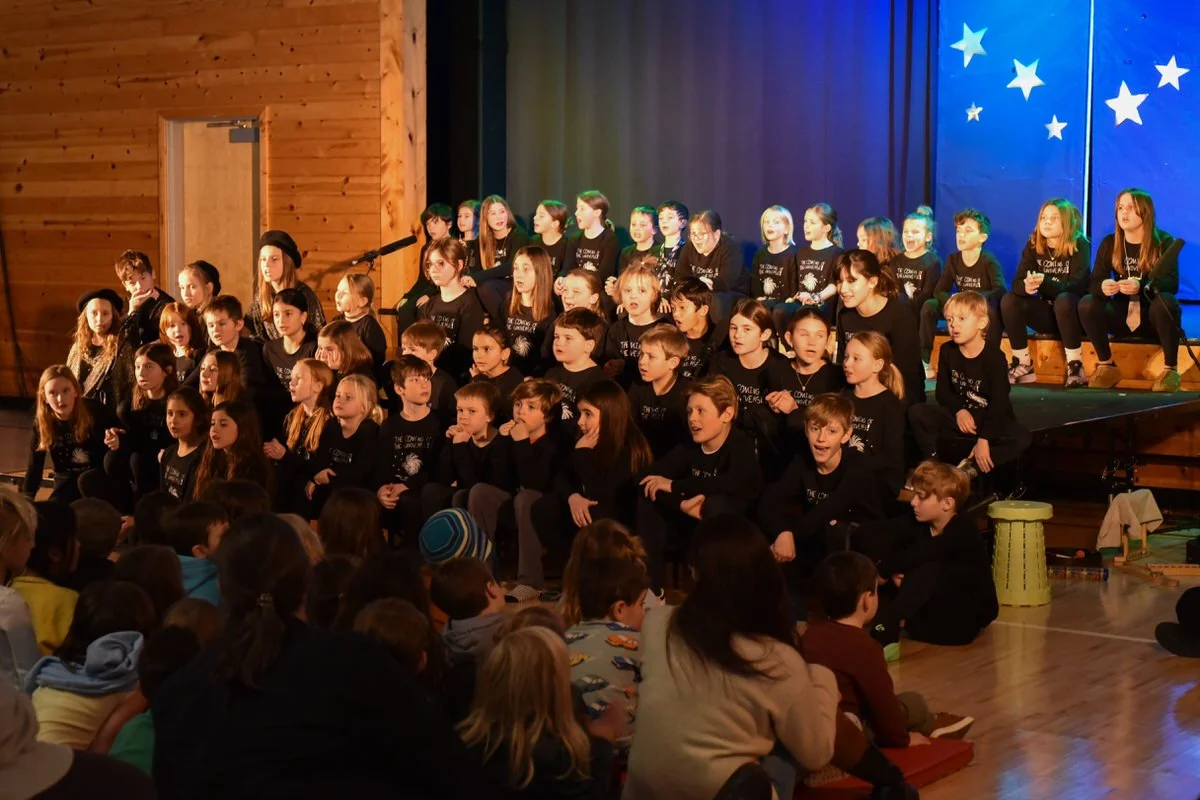
Thank you for your support as your students immersed themselves in a unique theatrical experience with 88 fellow actors as they adapted The Coming of the Universe.
Scene 3
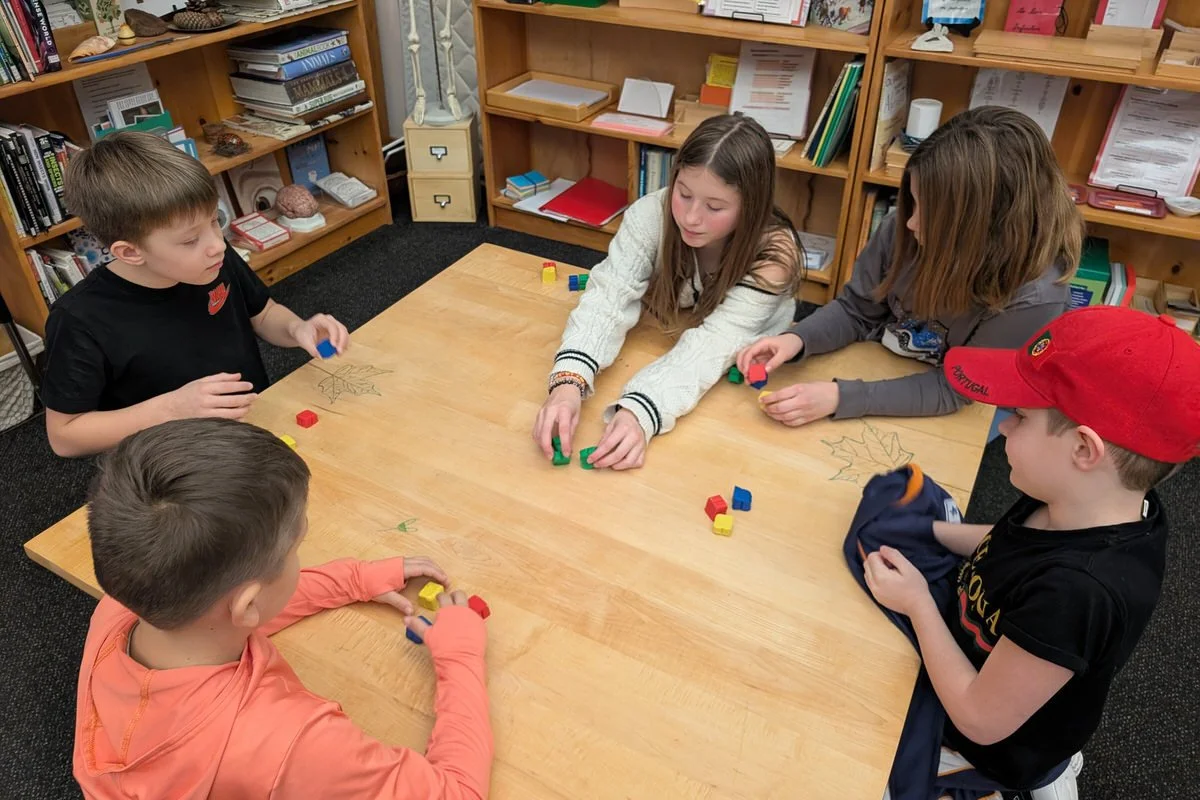
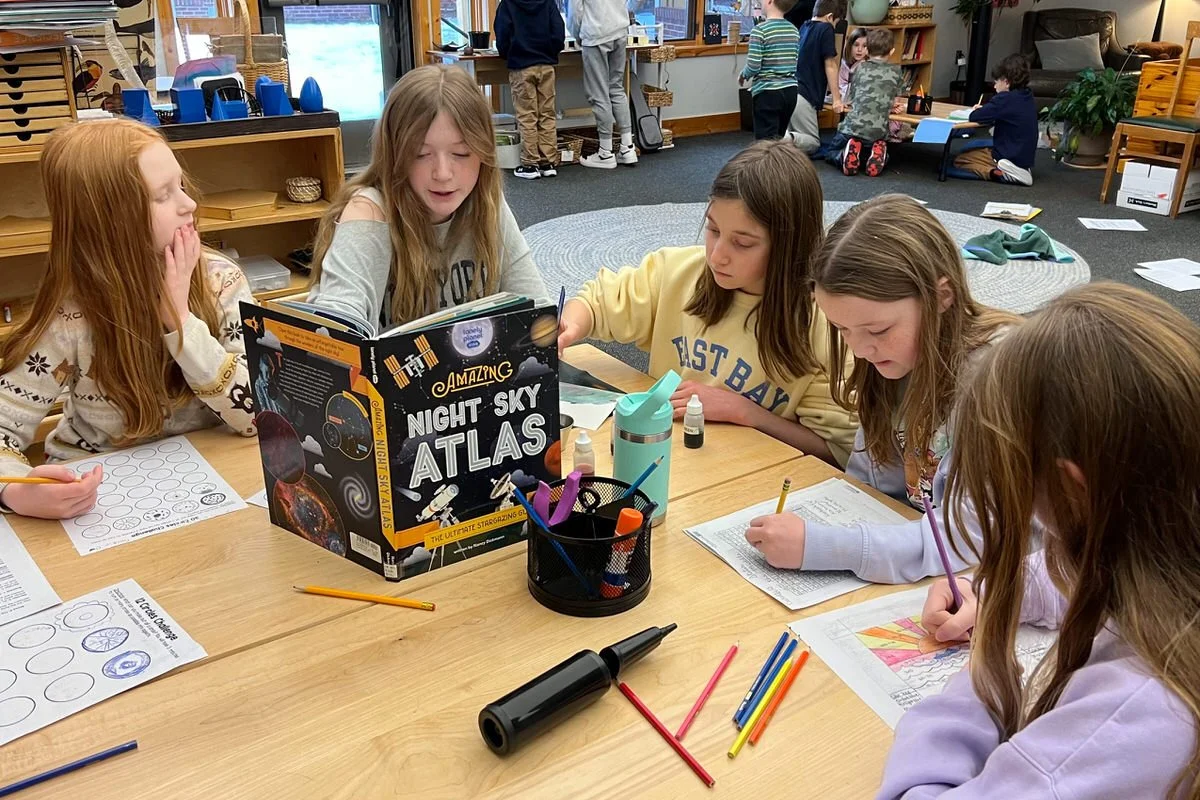
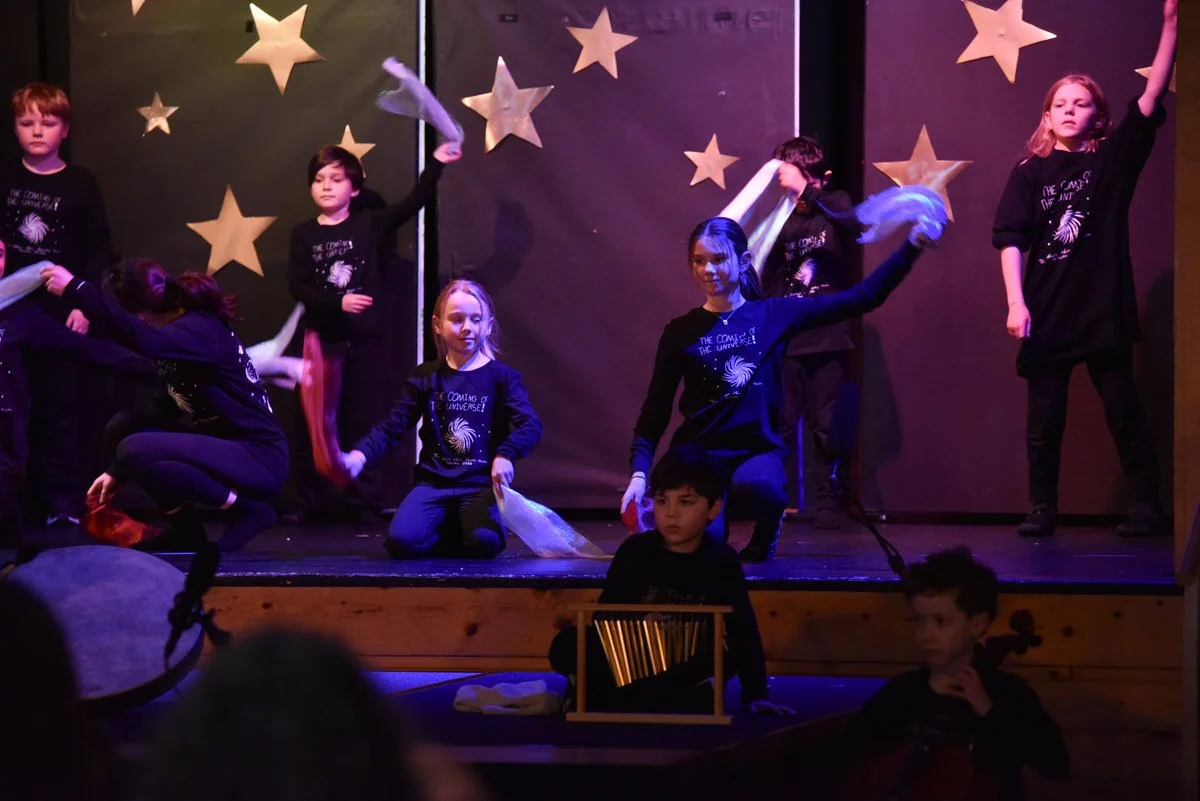
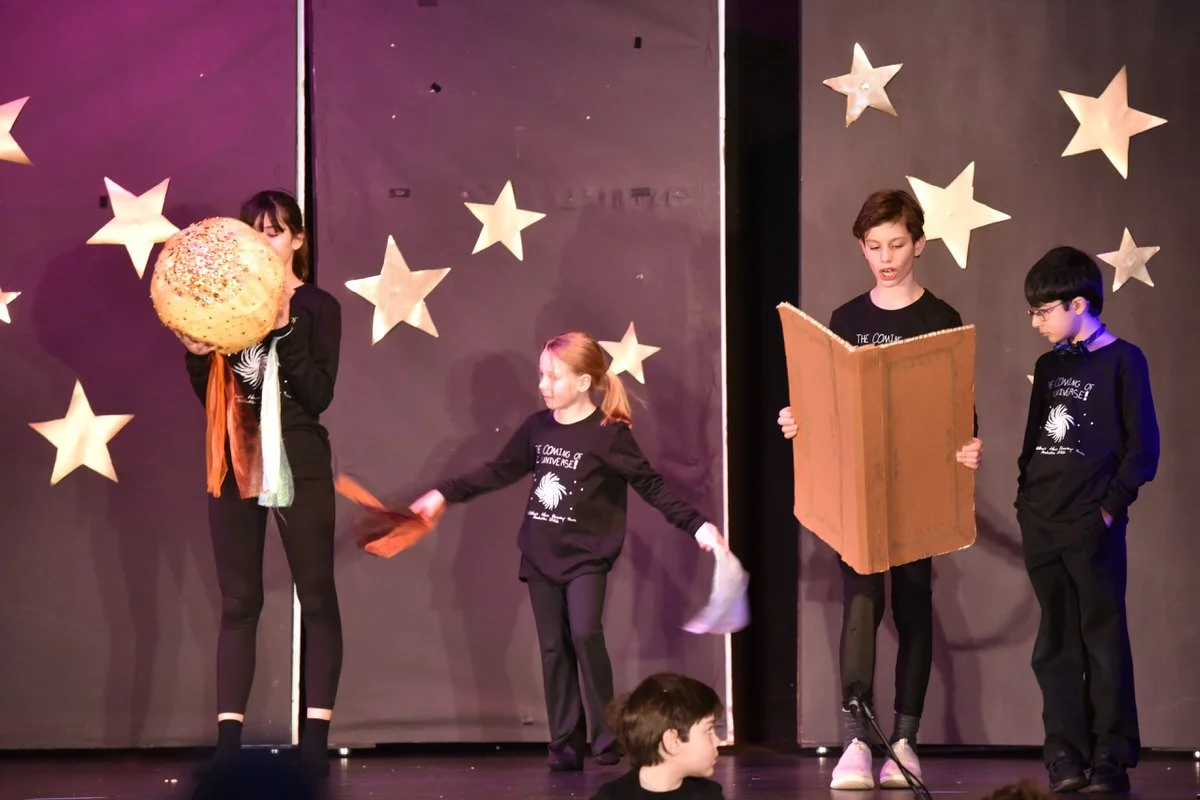
What an exciting month! The scene 3 group enjoyed learning about many concepts related to the universe including: states of matter, temperature, atoms, elements, heat, distances between planets and their sizes, combining solutions, and layers of the atmosphere. We even made a model of the planets to scale, wrote cosmic comics, and made collages of the universe. This group loved participating in science experiments and working in mentor groups to learn new concepts and create work together.
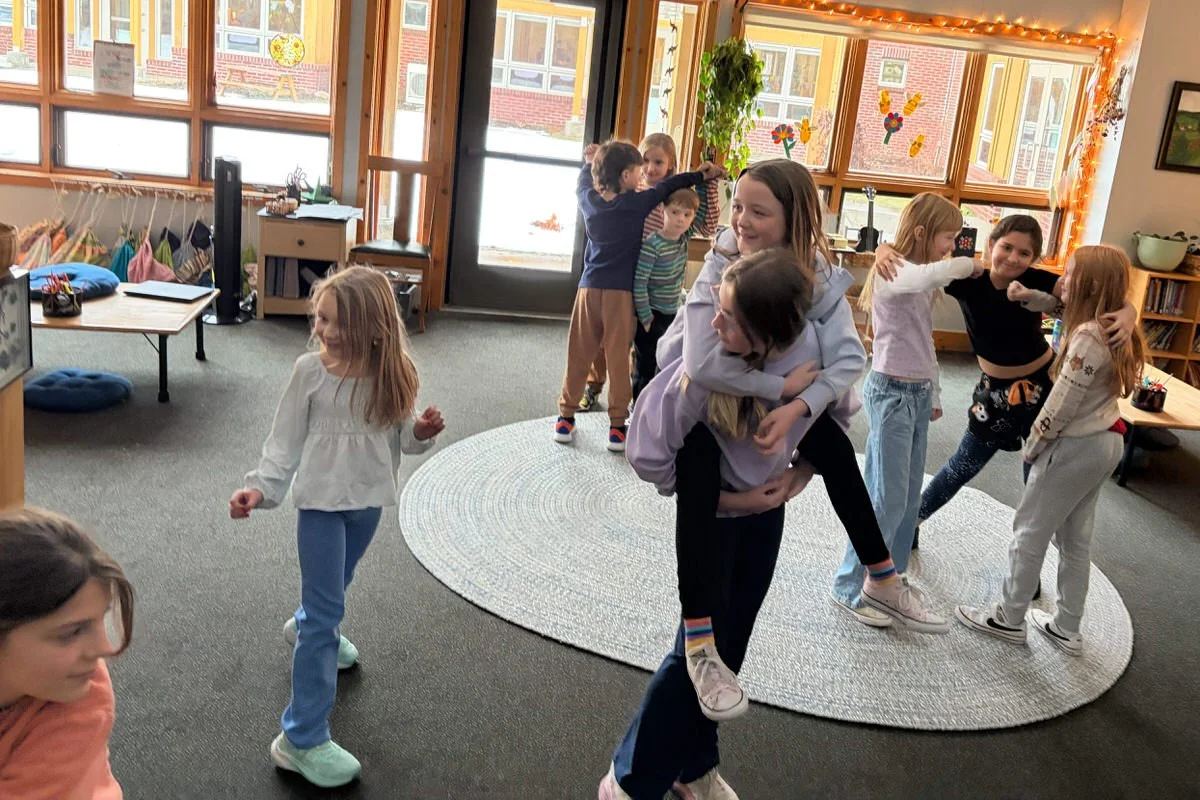
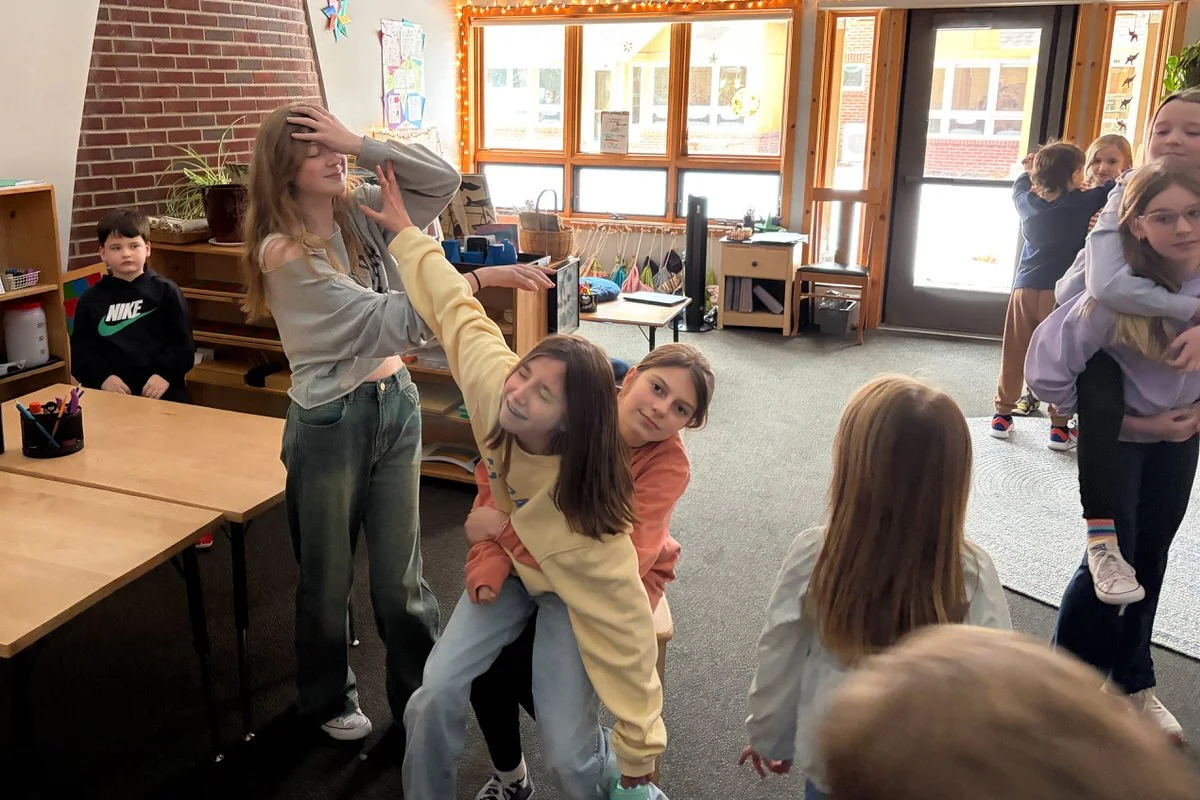
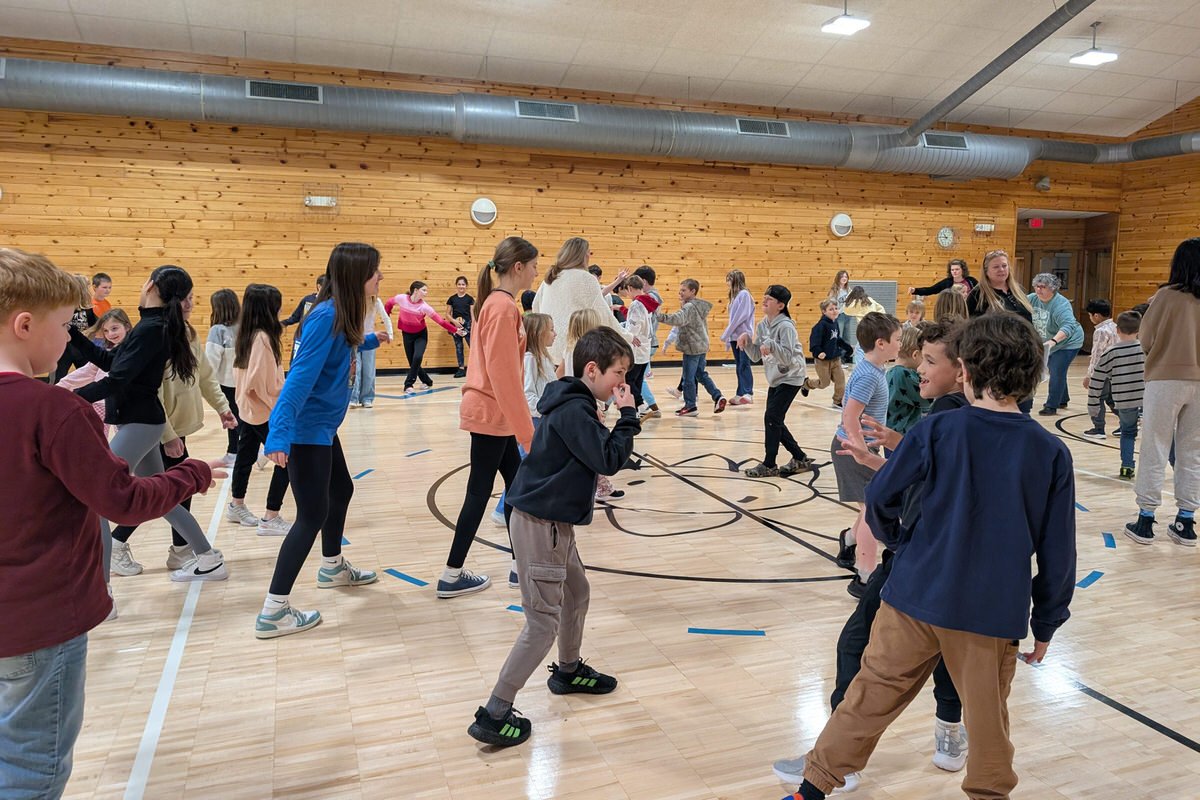
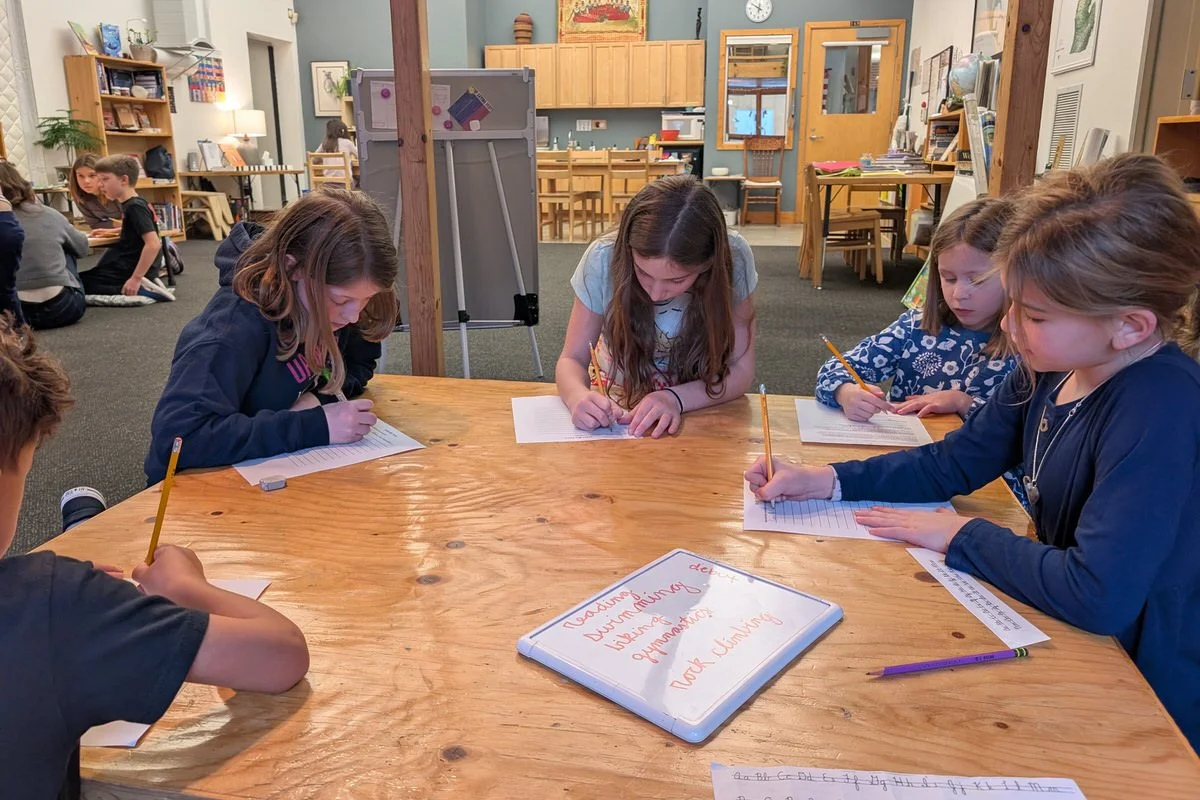
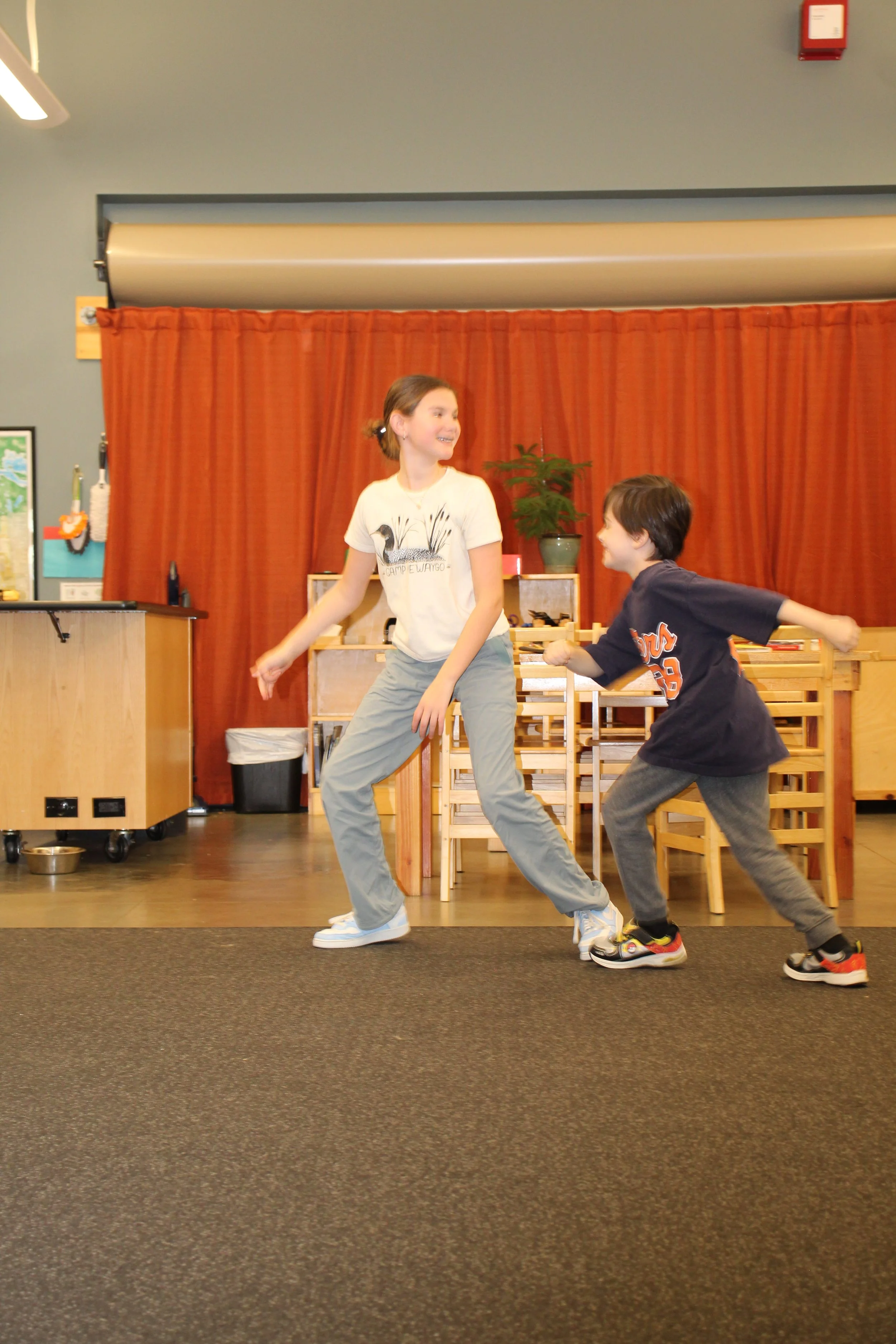
Your children learned stage directions, blocking, and how to write a biography, all while playing theatre games to improve articulation, projection, movement, pronunciation, and creativity. Their favorites were: Night at the Museum, Trapdoor, and acting out idioms.
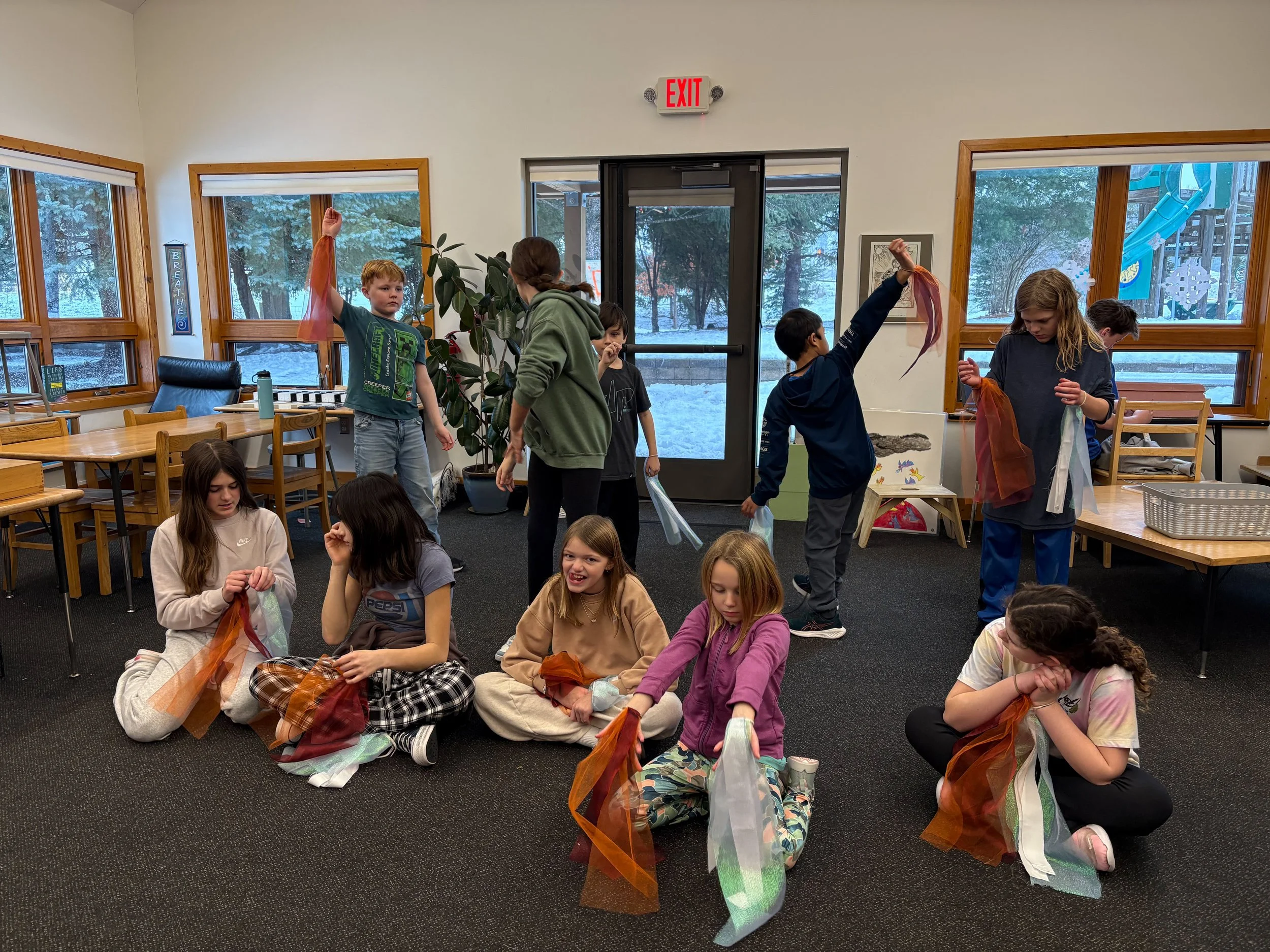
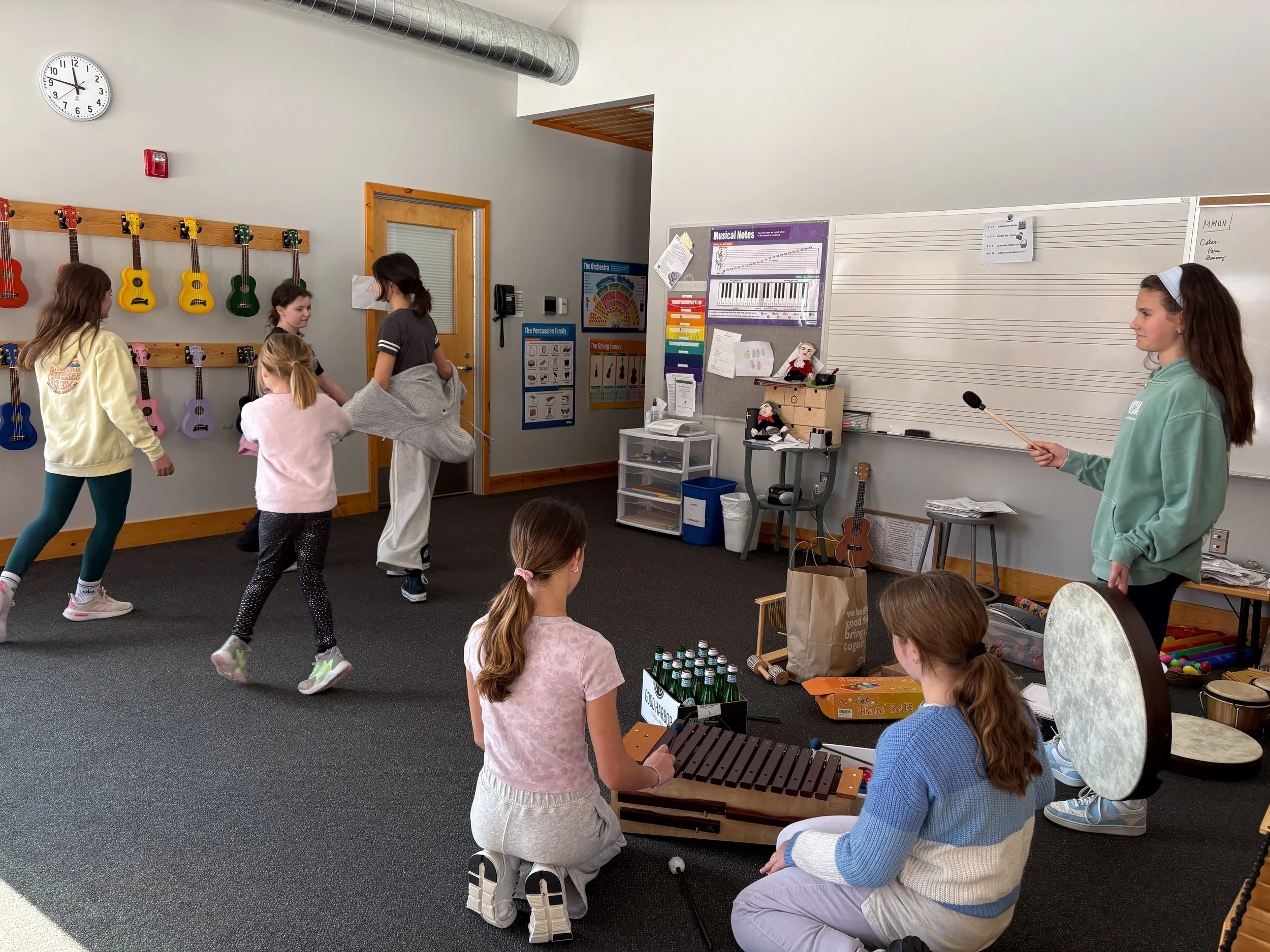
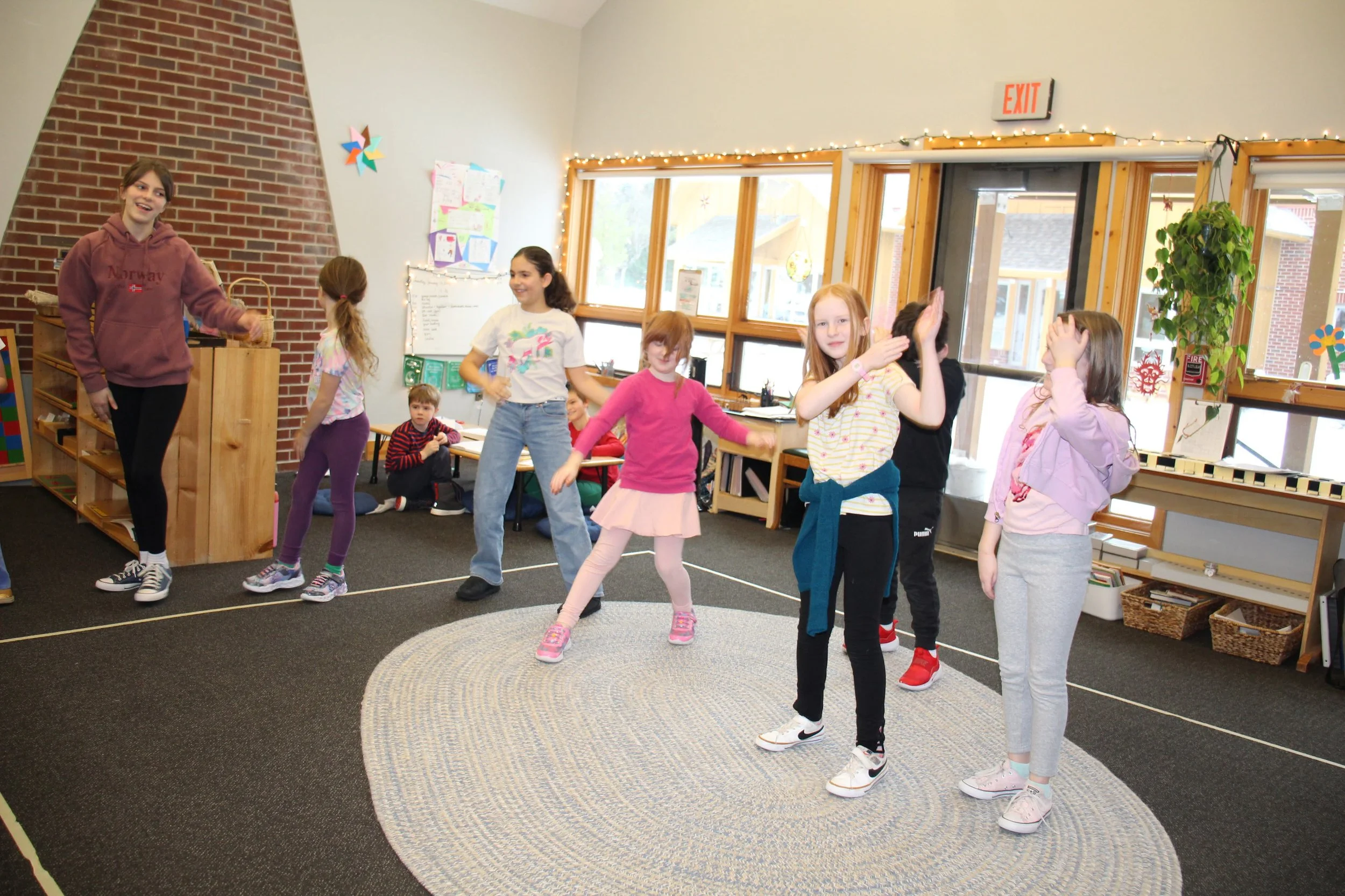
It was a joy to be part of this group who choreographed two dances and several movements to accompany our part of the play and composed music to go along with the dances! We were so impressed with their creativity.
We loved watching the older and younger children work together, help each other, and team up to put on a beautiful show!
Scene 4
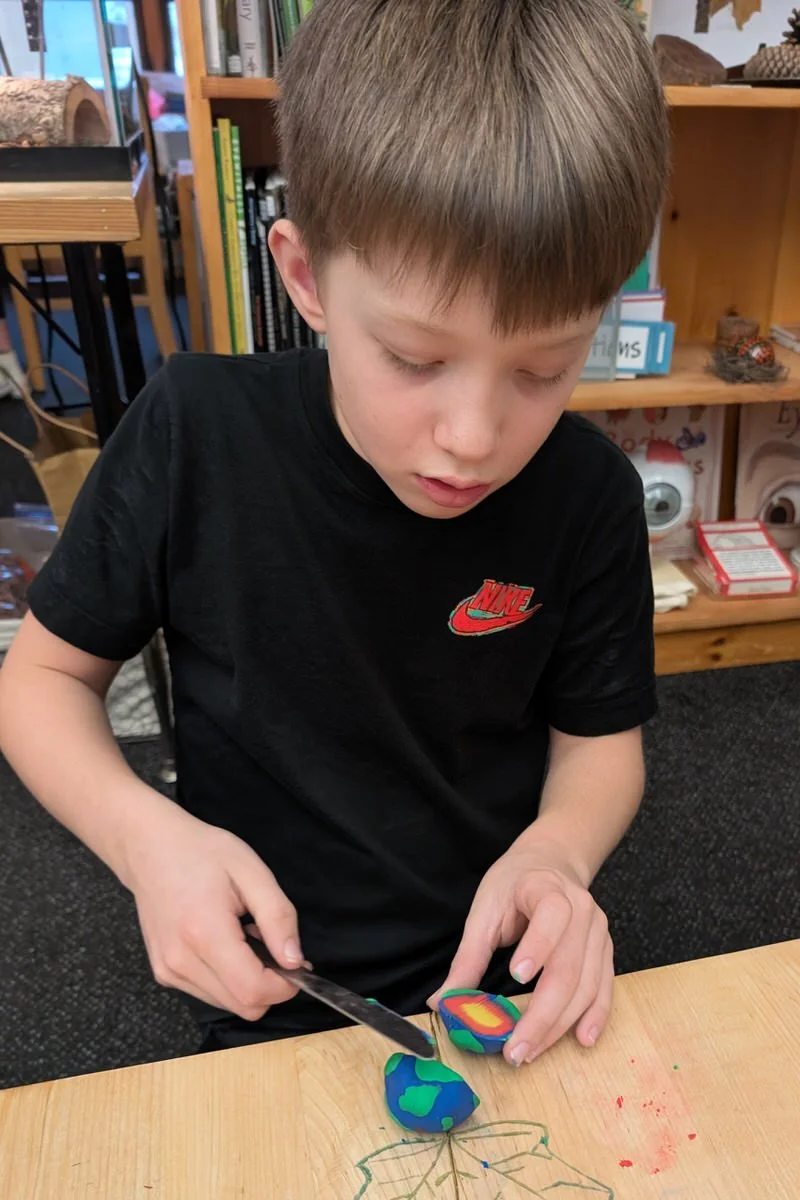
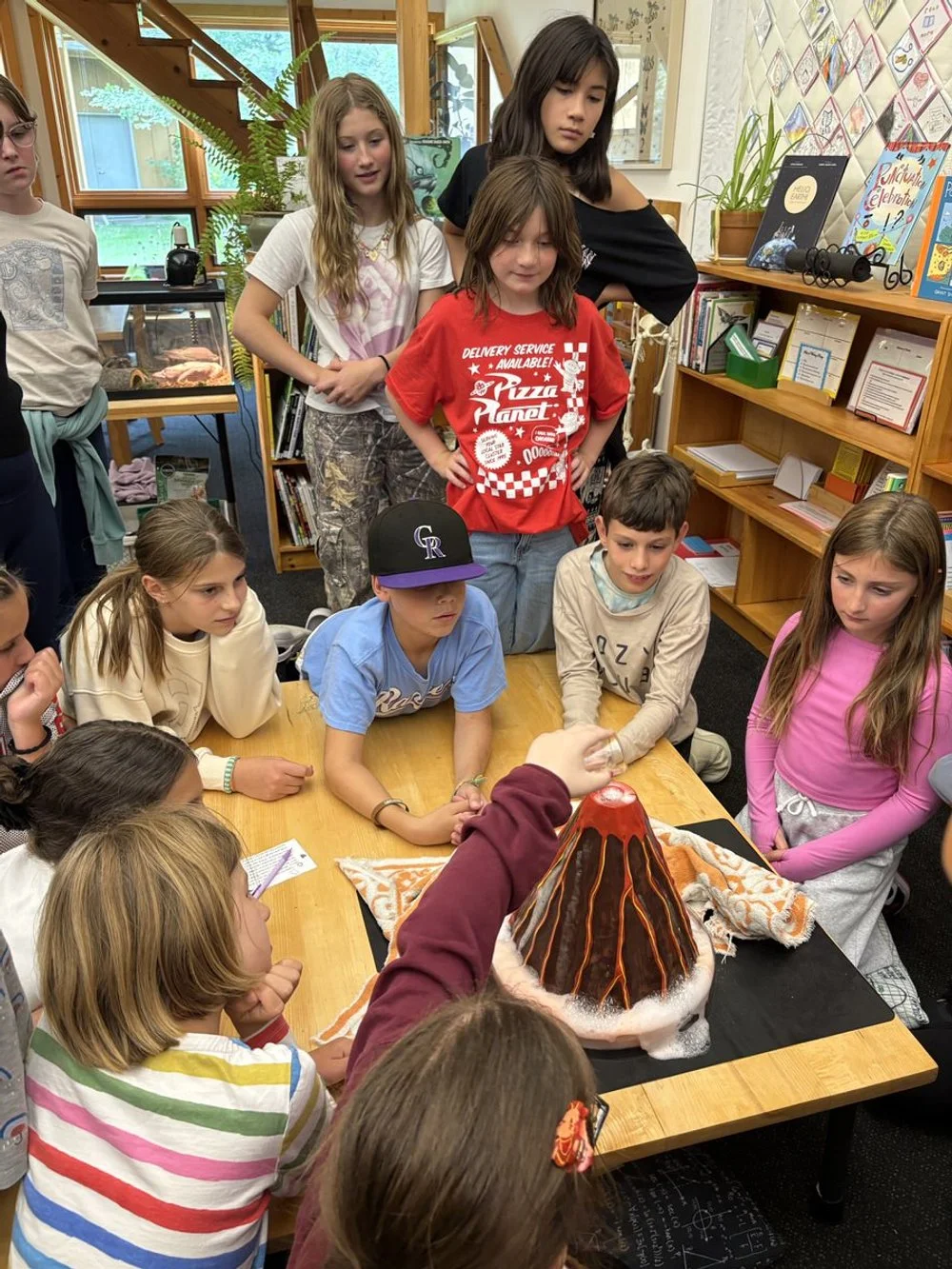
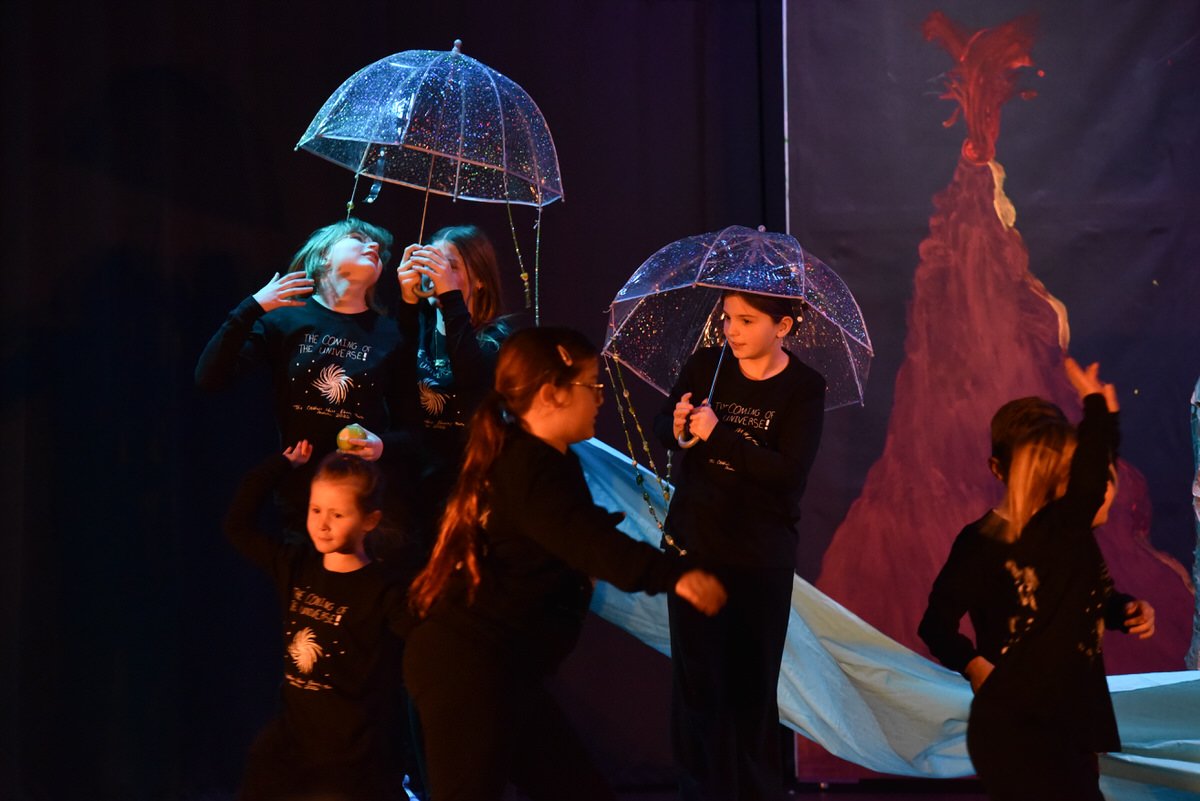
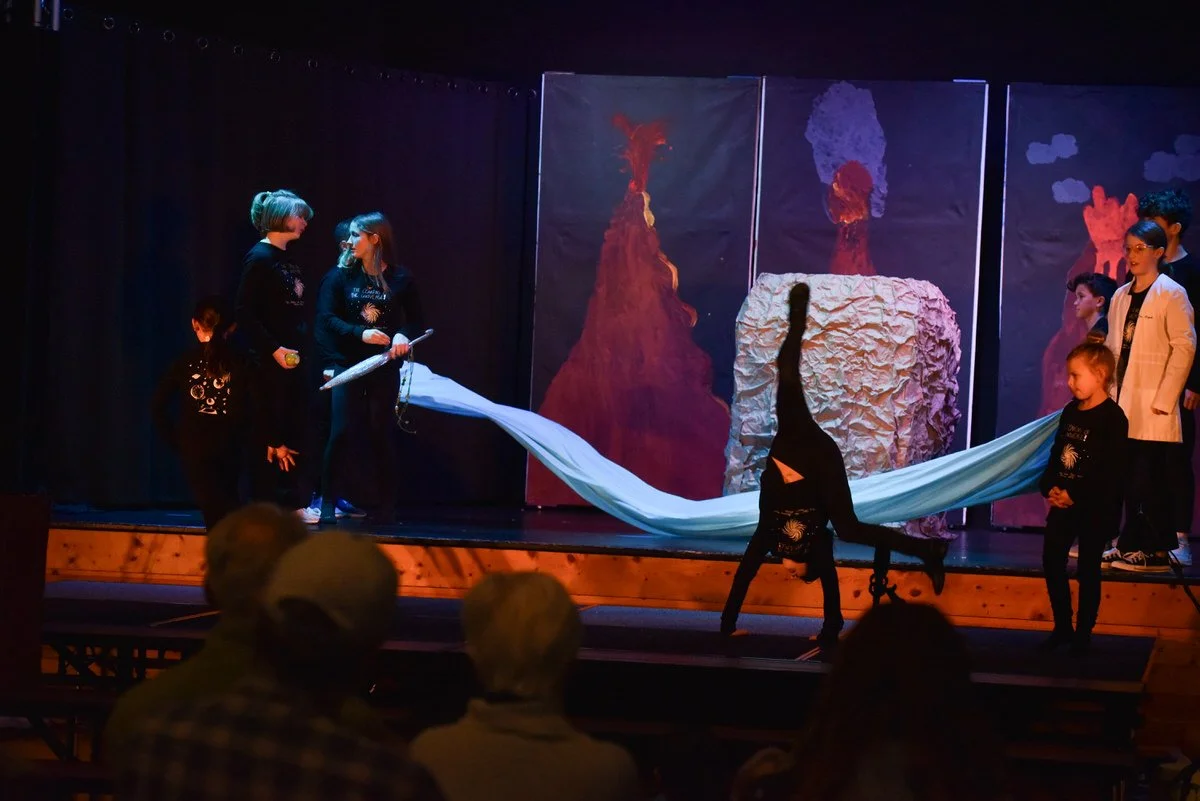
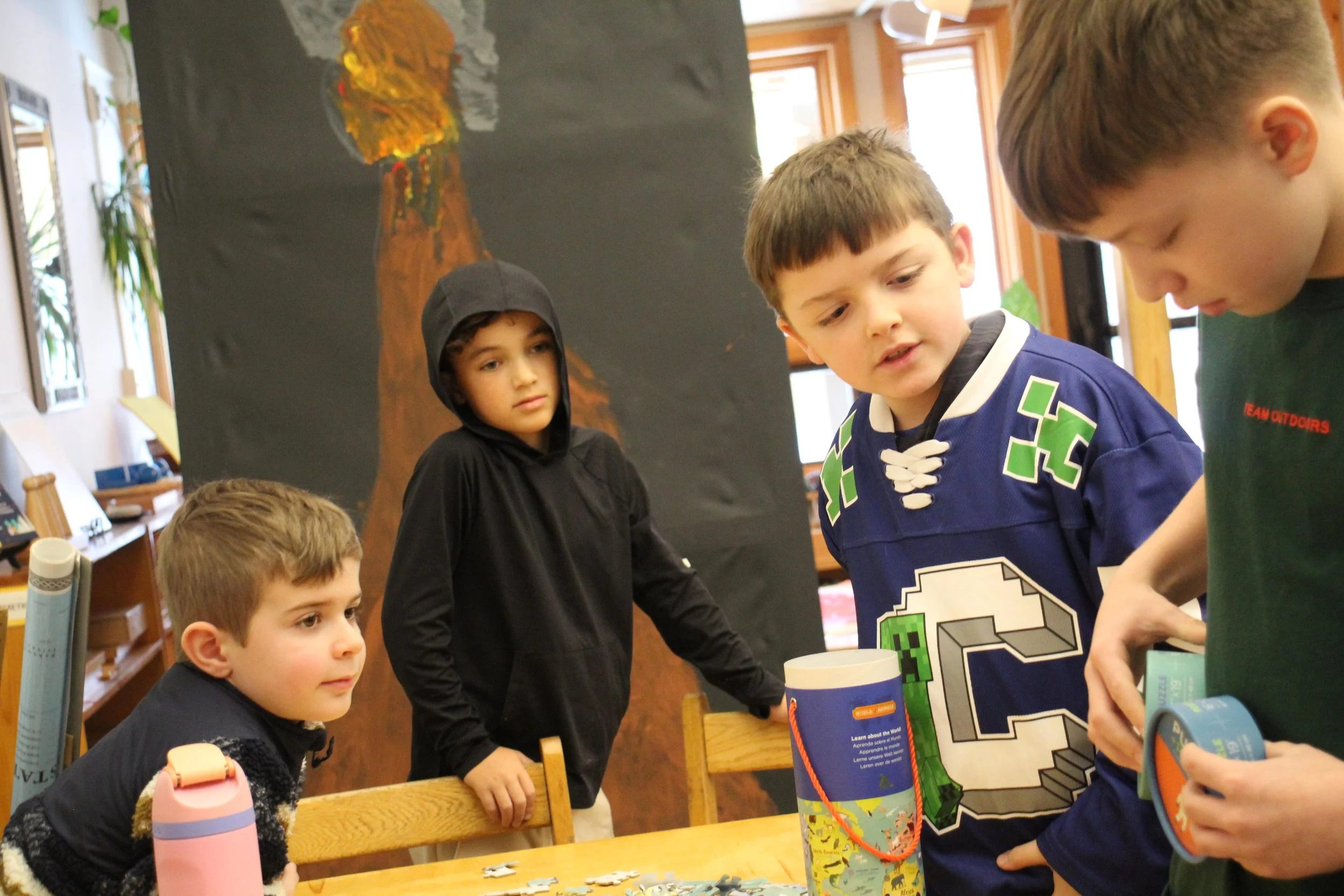
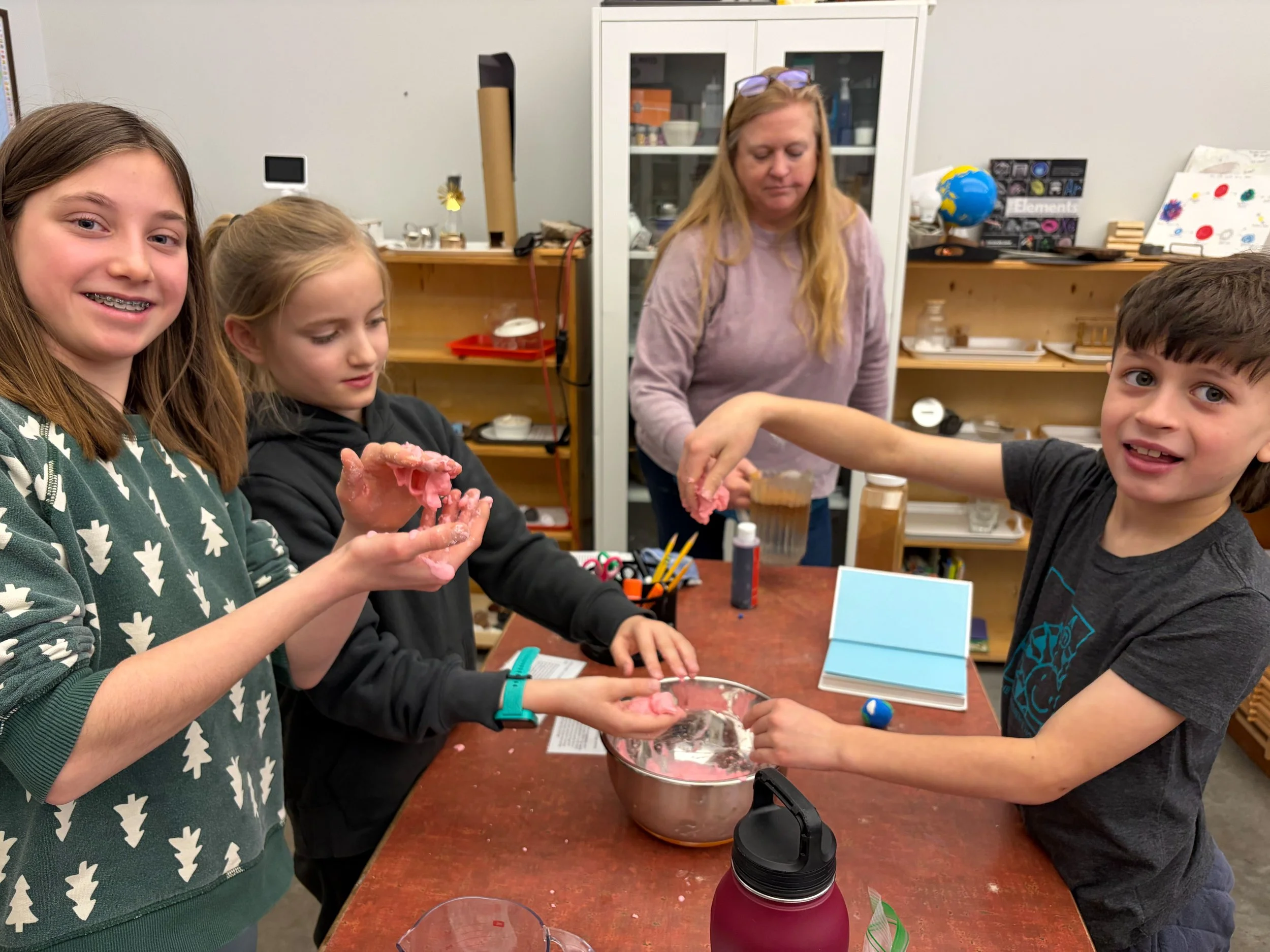
Working in new mentor groups, we learned about volcanoes, layers of the earth, states of matter and effects of temperature, density of liquids, plate tectonics and types of plate boundaries, and seismic waves, such as shear and pressure waves. This learning helped inform the creation of our sets and props, which were designed and created by teams of children. Alison was extremely instrumental, as always, in the execution of the lava (tie dying with our cast) and the construction of the volcano - a lot of hot glue!
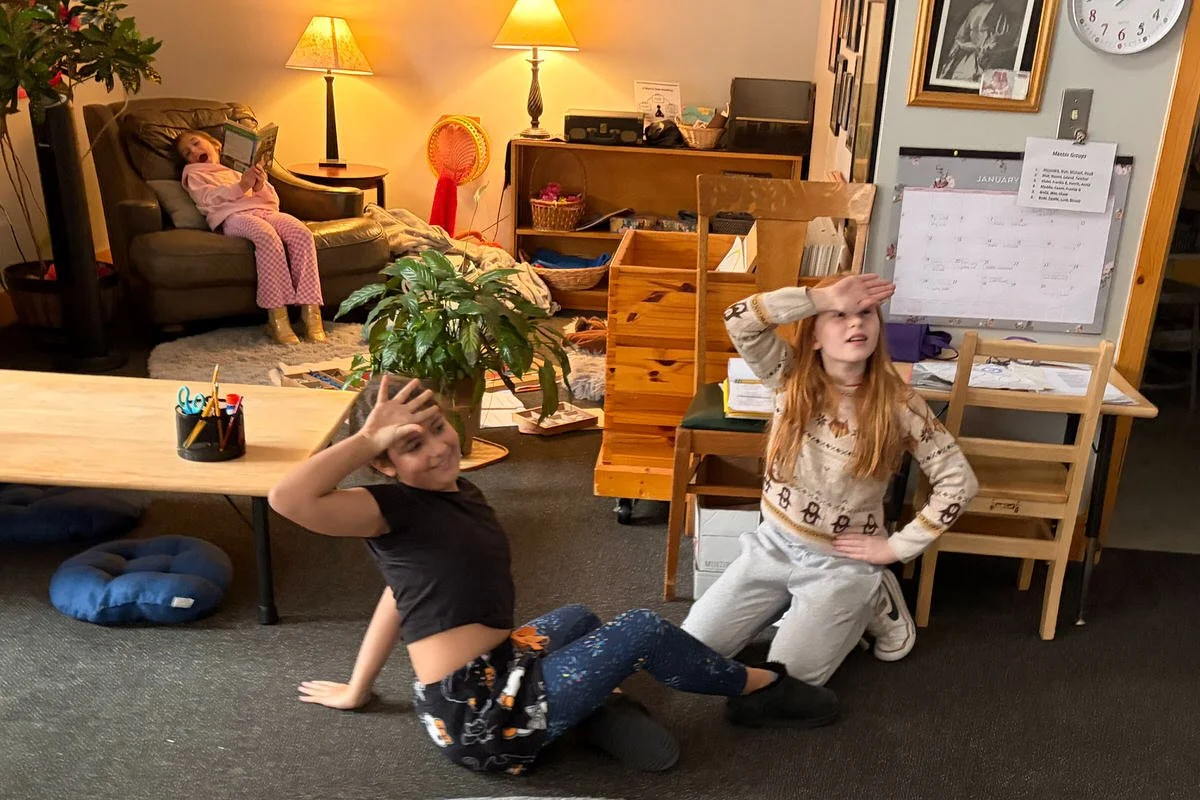
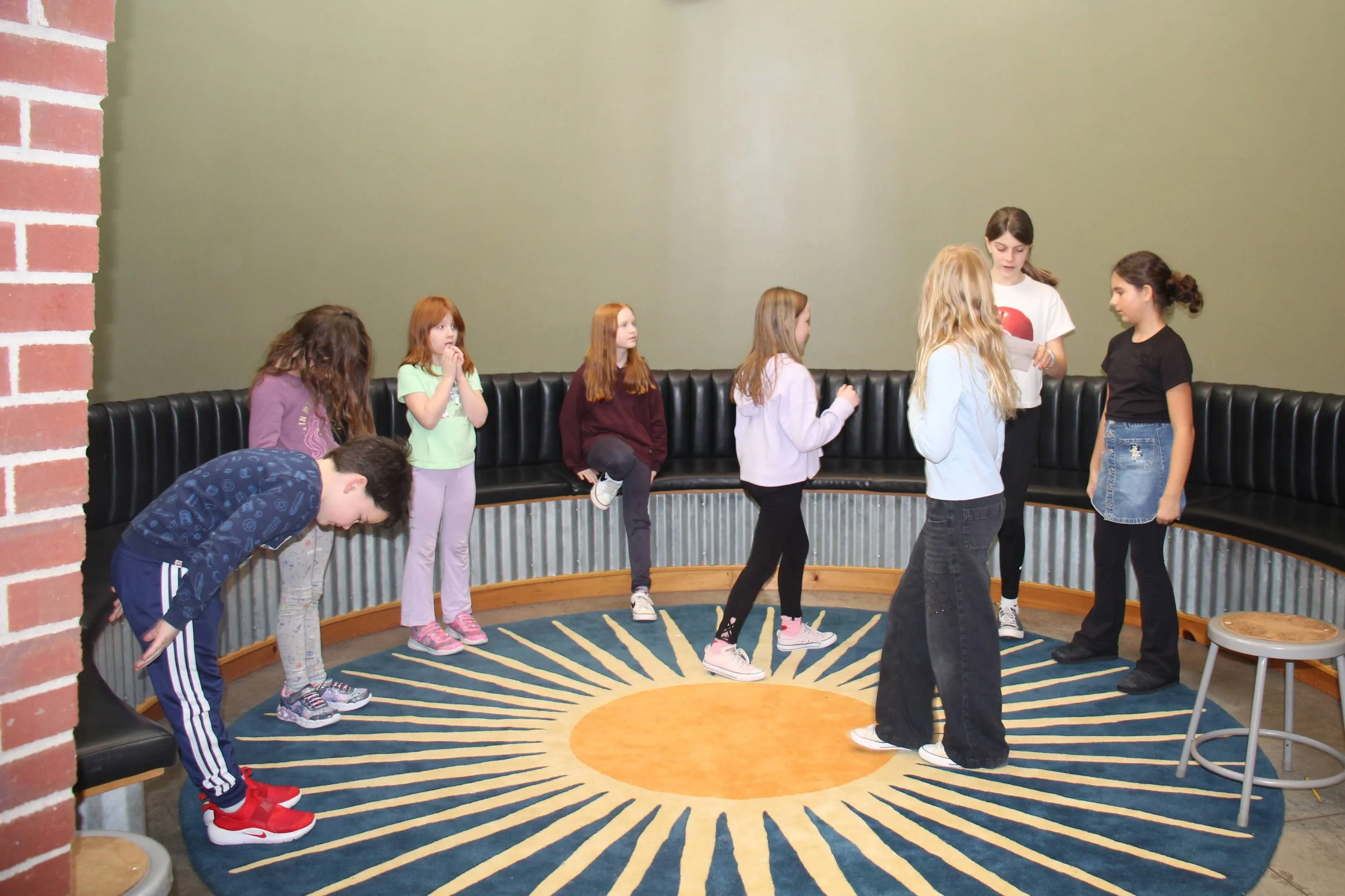
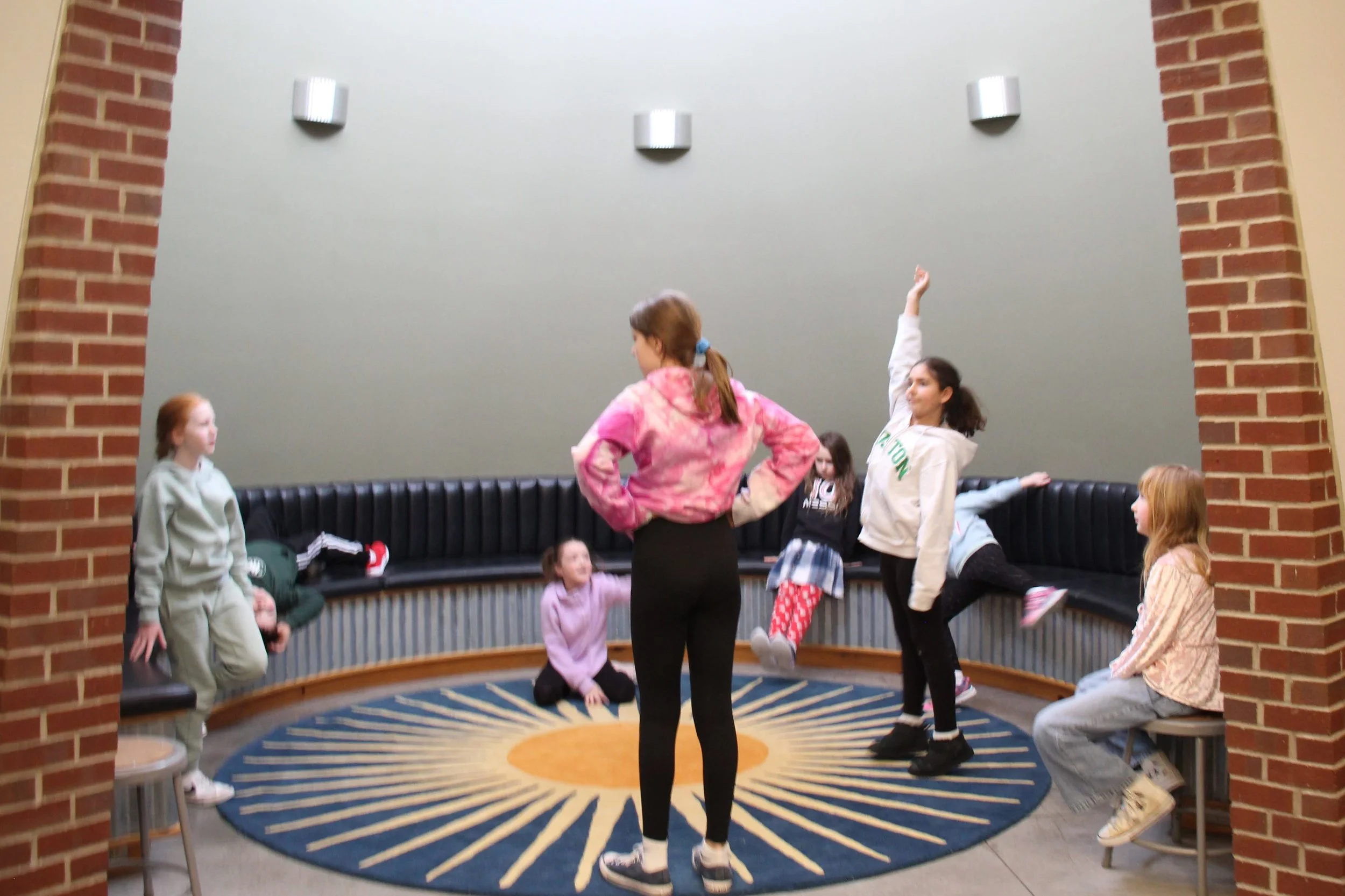
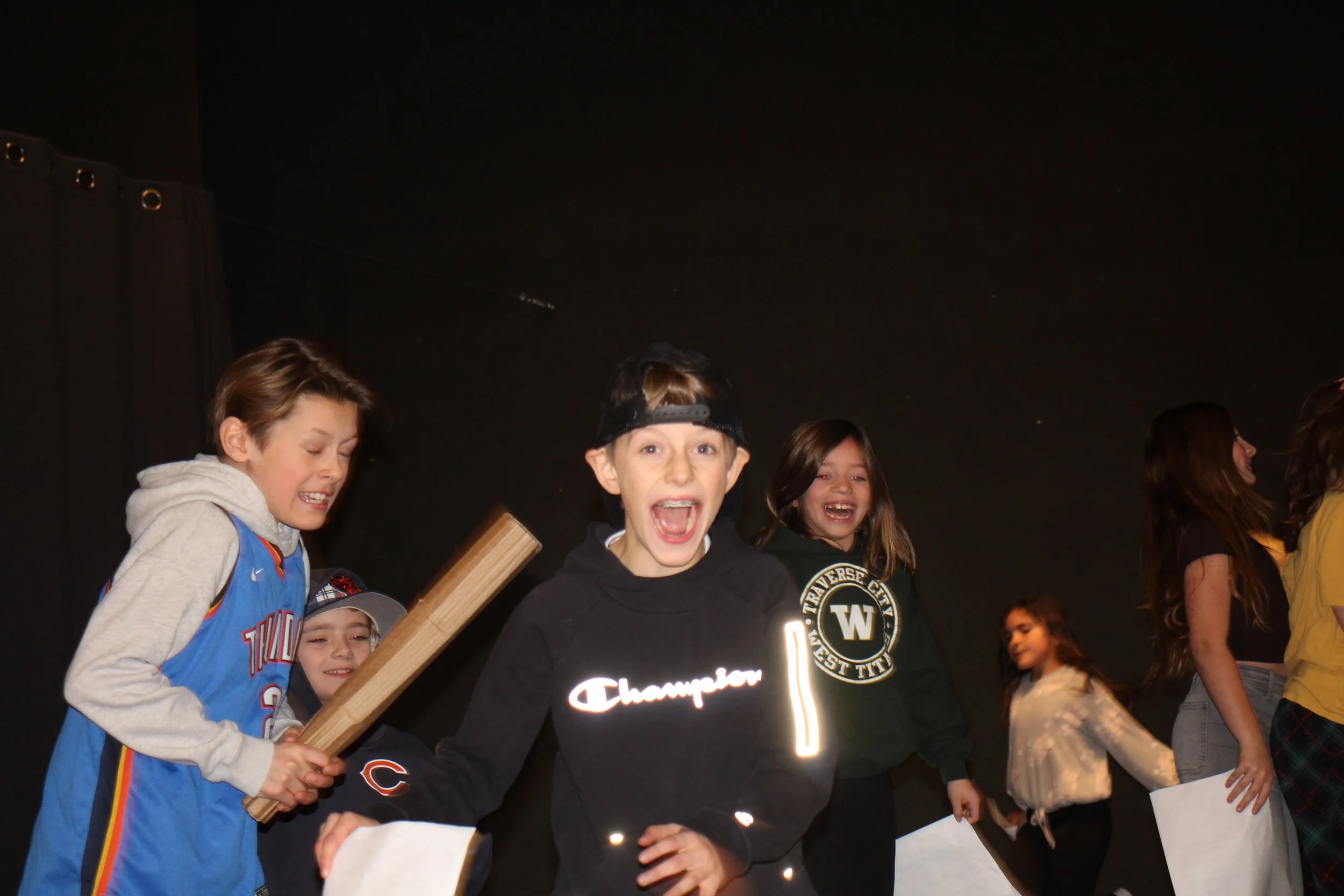
Through theater games, we began to feel more comfortable with each other. We traveled to the center of the earth, pretended to be bears, passed gestures and sounds around the circle and laughed every day. Working together, we came up with how our scene should flow, literally for the lava. We decided on sound effects and blocking to tell our portion of the story with clarity and excitement.
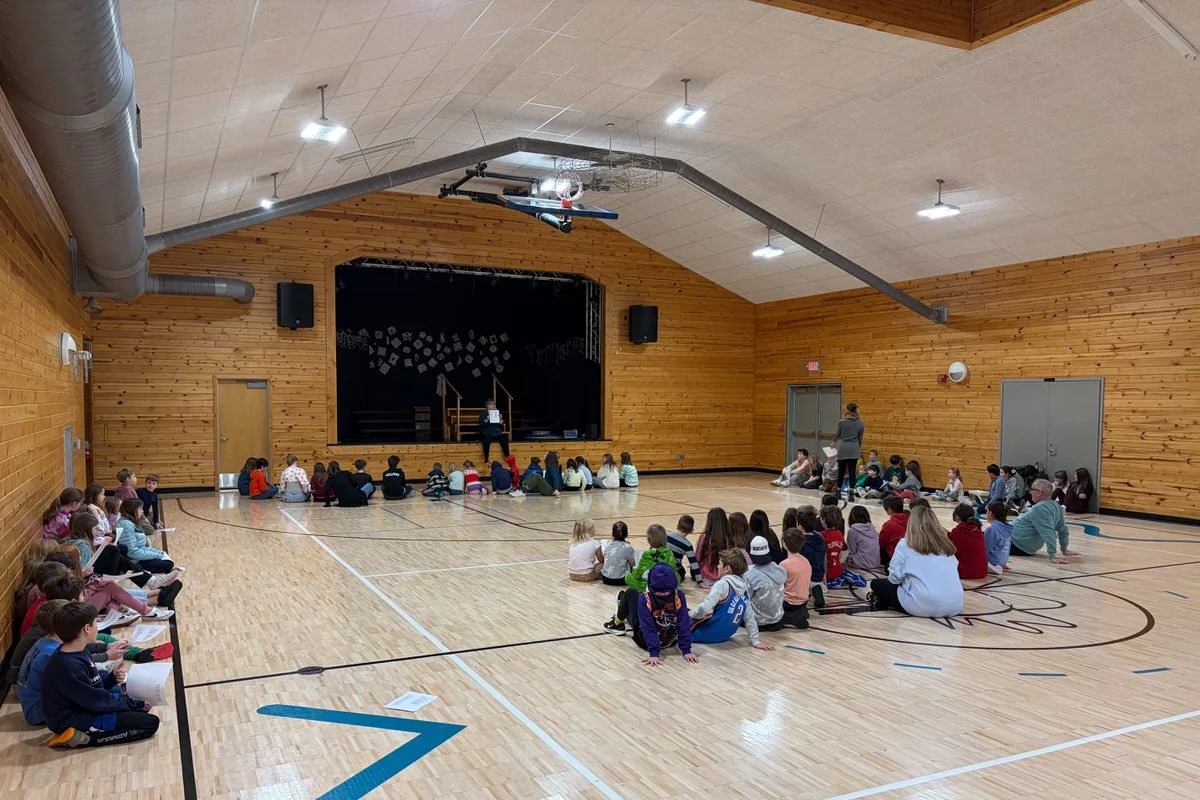
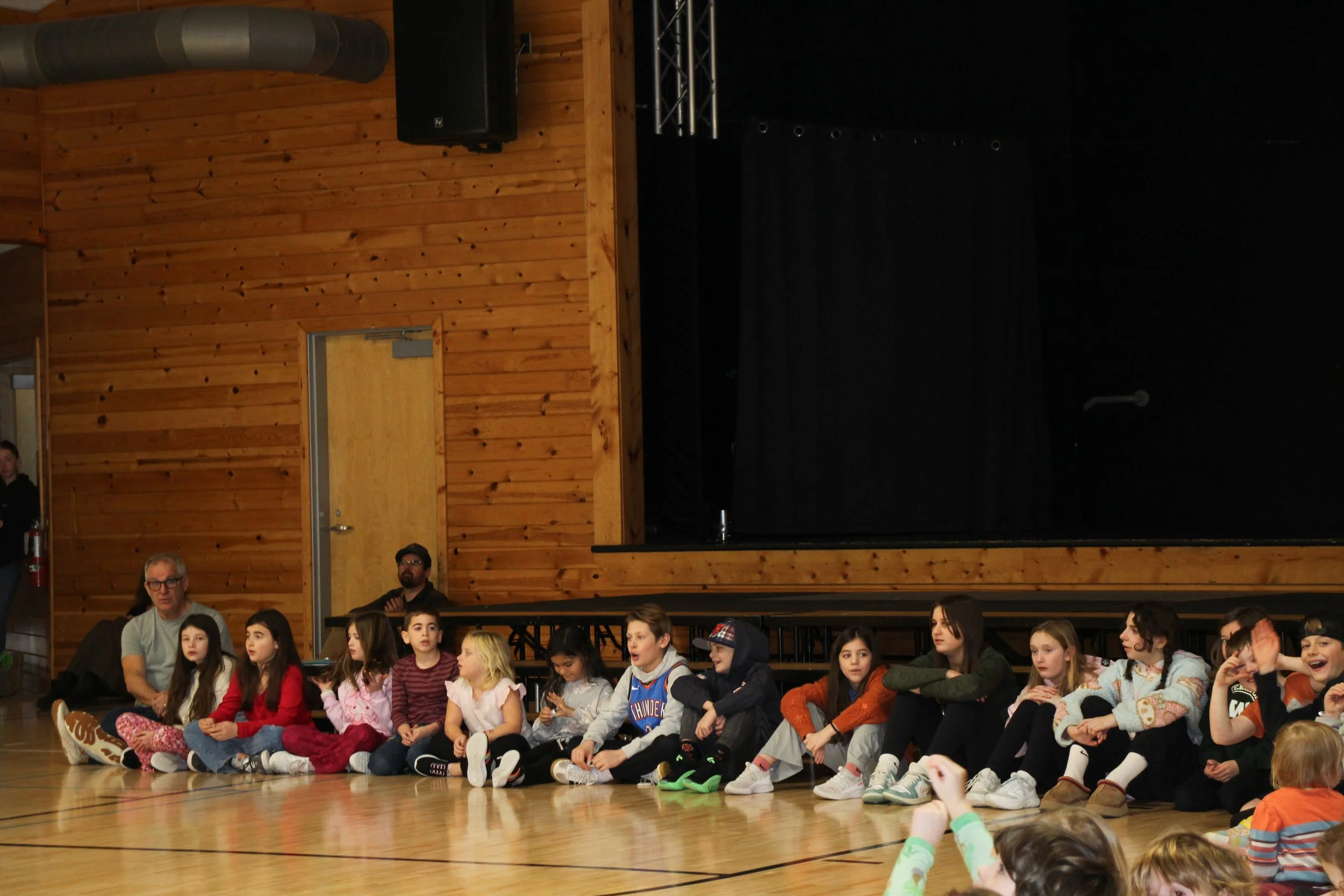
This process has allowed all of us, from 6 - 62, to grow and connect with one another. Collaboration can be difficult at times. It takes patience, flexibility, humility, resilience and good humor. Every member of the elementary team was involved in some way. Every member of our school was impacted due to the transformation of the gym into a theater. Our Montessori approach held true, however, in the grace, courtesy, support and love we received from all. Thank you for sharing your children with us and allowing us to explore - and create - the universe with them.
Updates
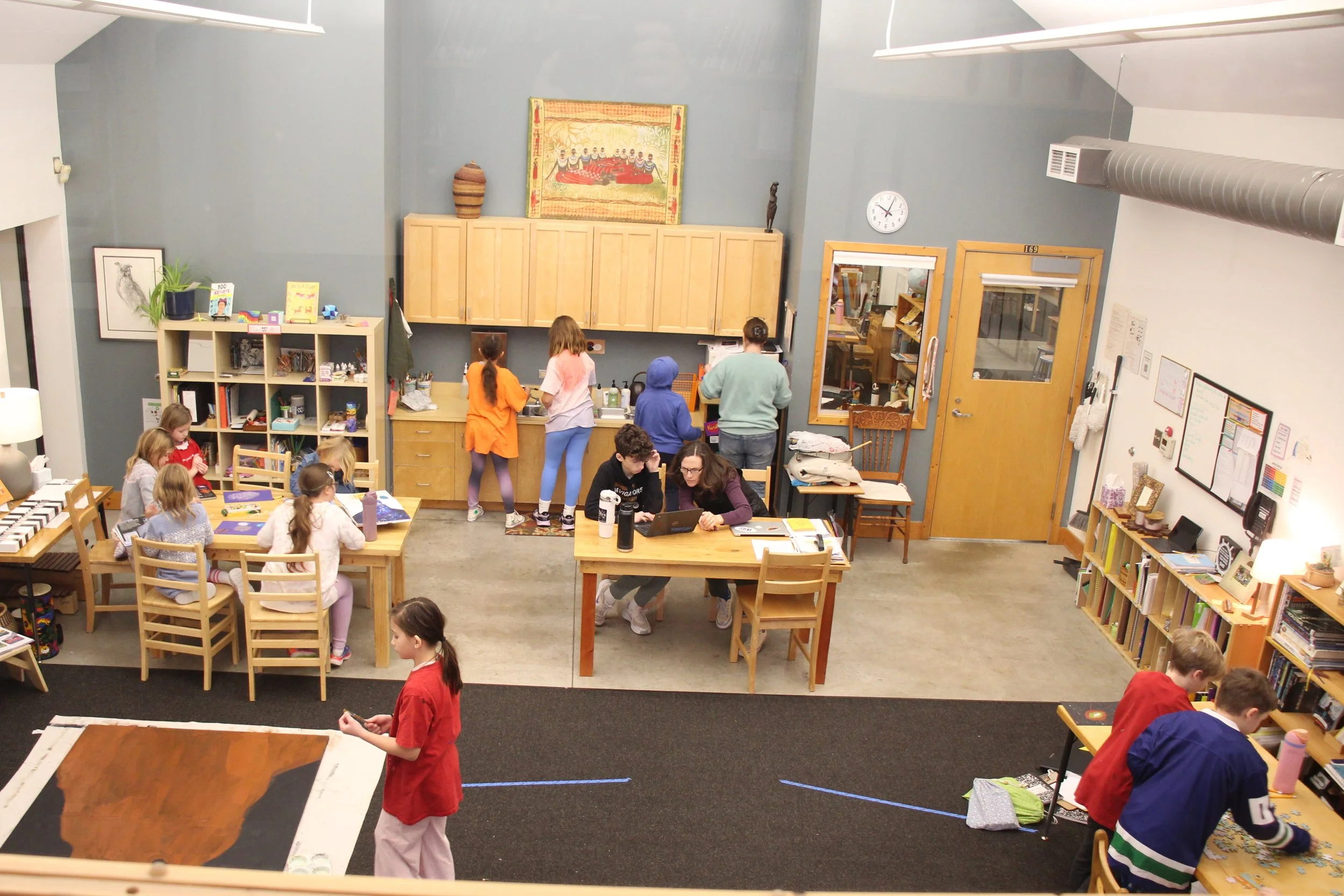
The Cedar Classroom released an issue of the Comets Gazette each week of the Theater Intensive, with updates from the students in each scene. See the next section for updates from the faculty and photos and video from the performances!
Week Two
Scene Three
By Avery and Evie
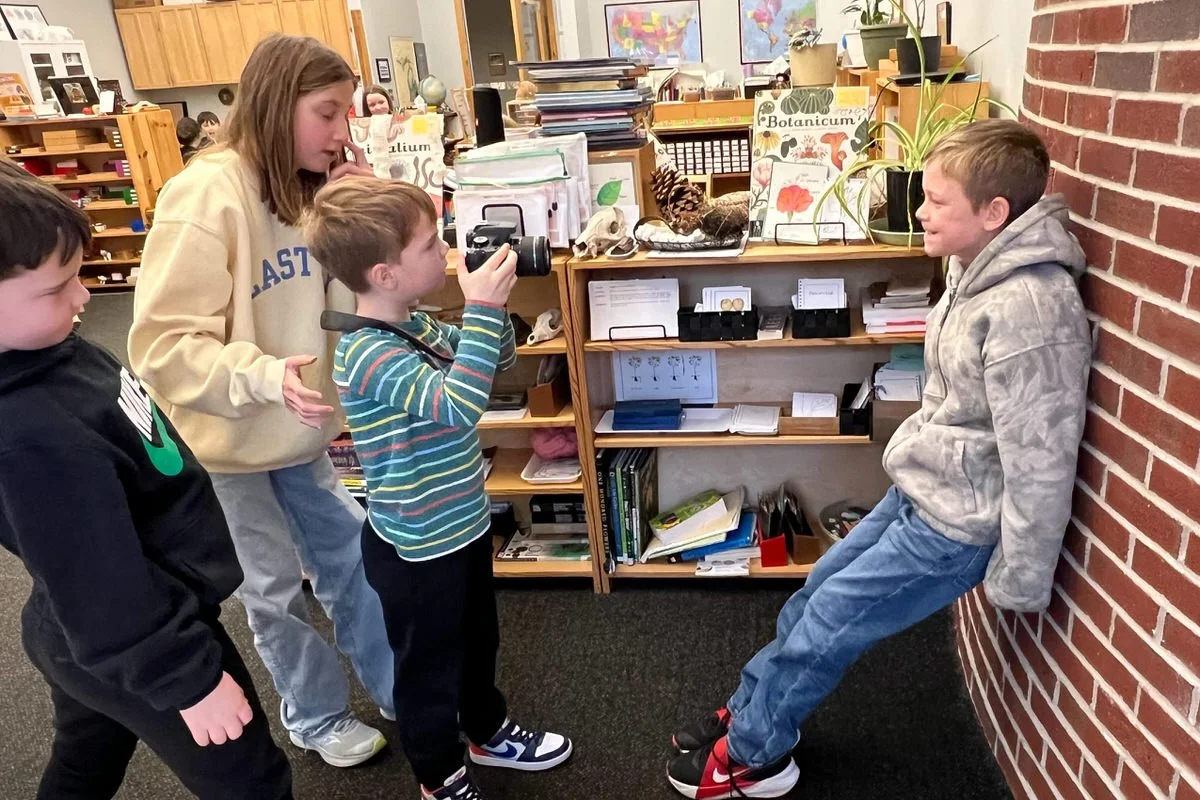
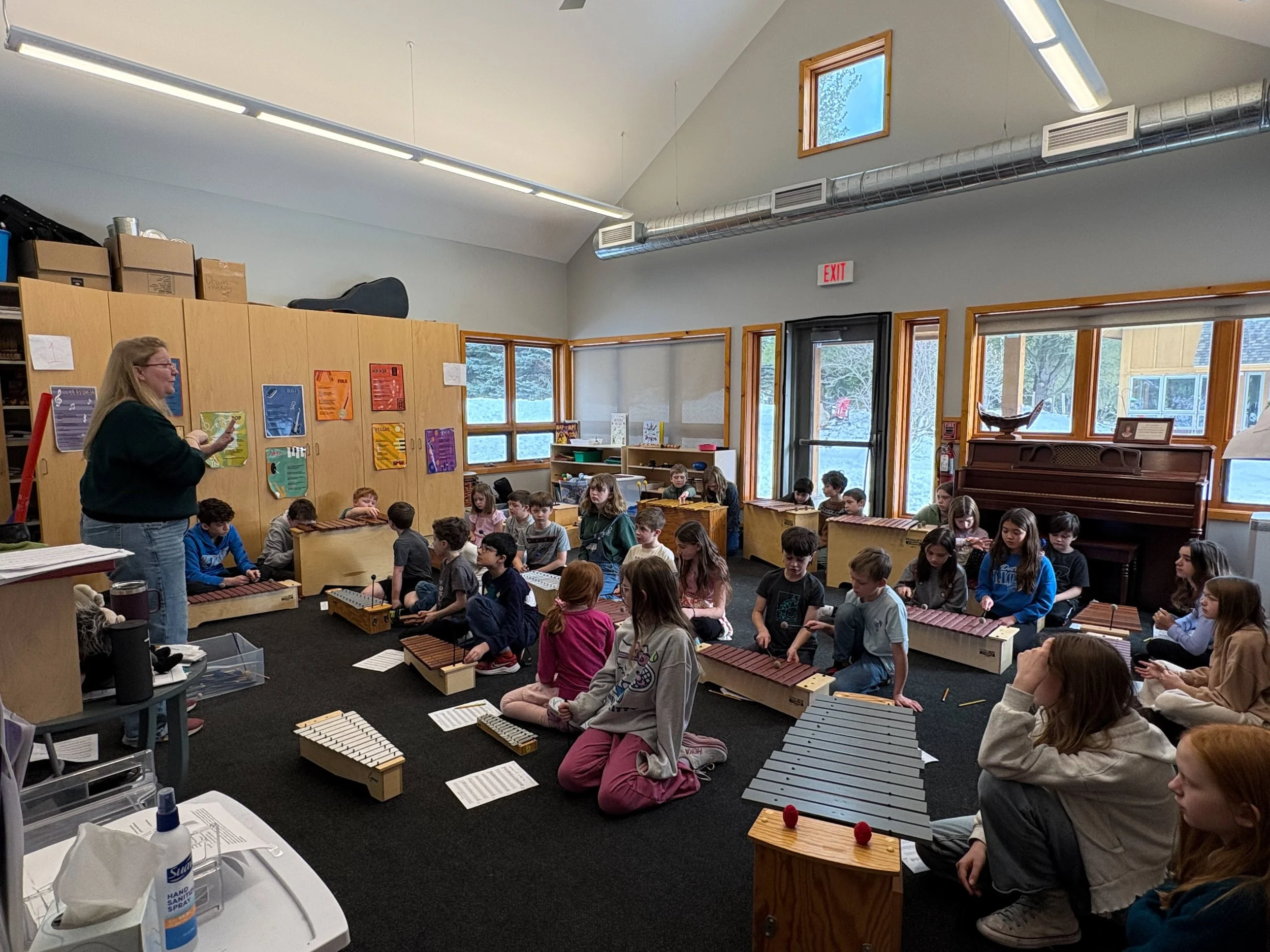
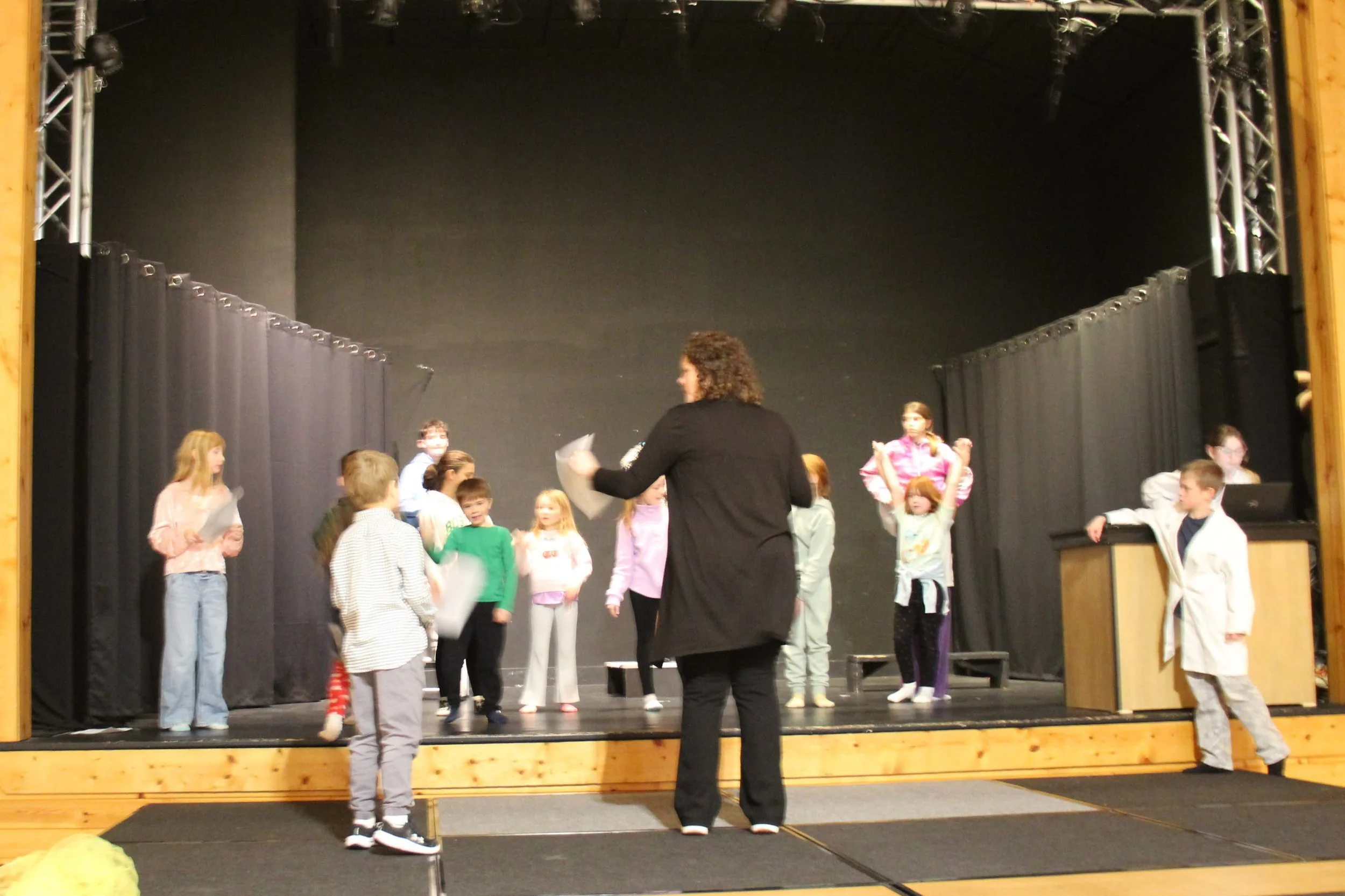
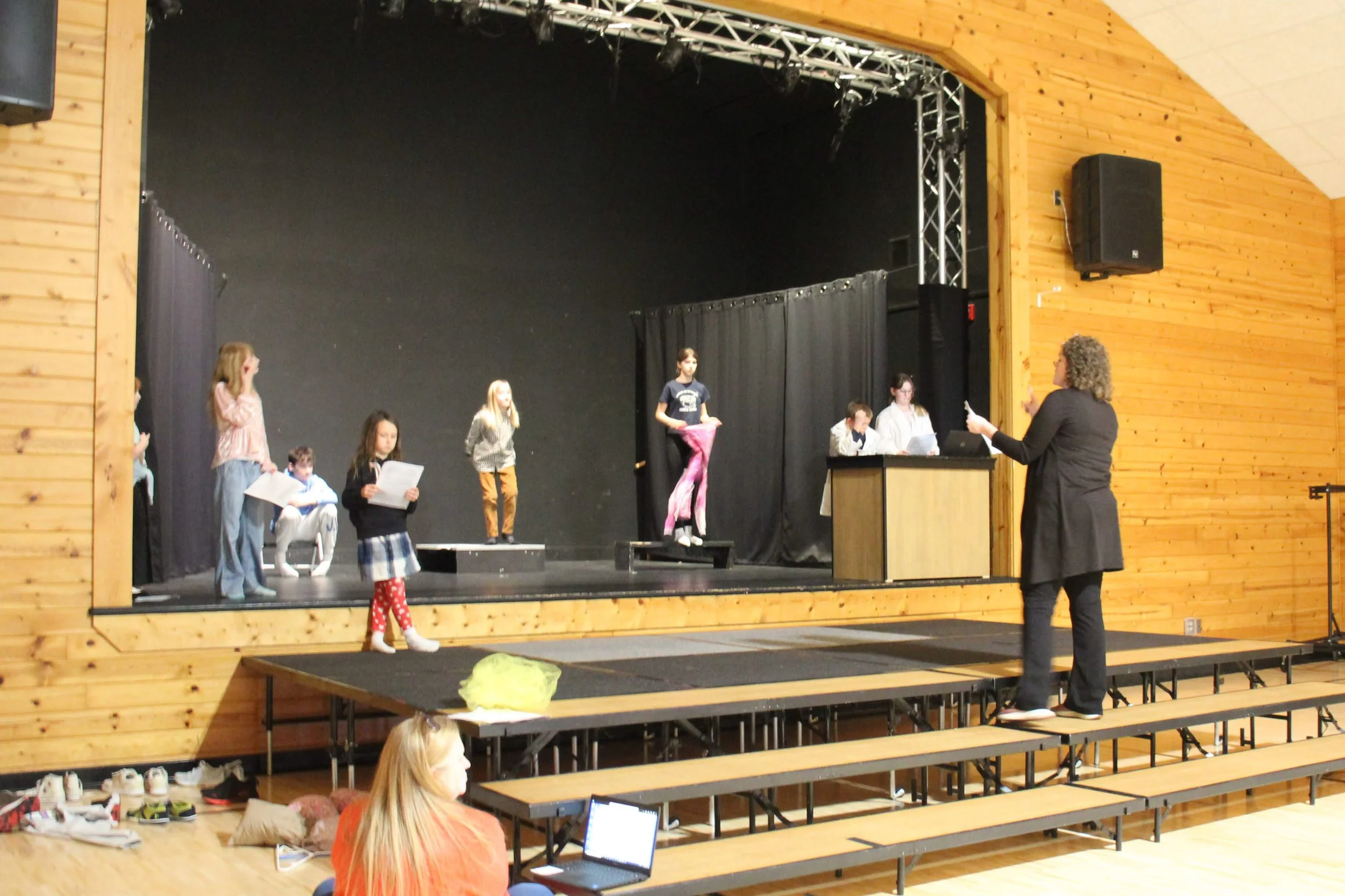
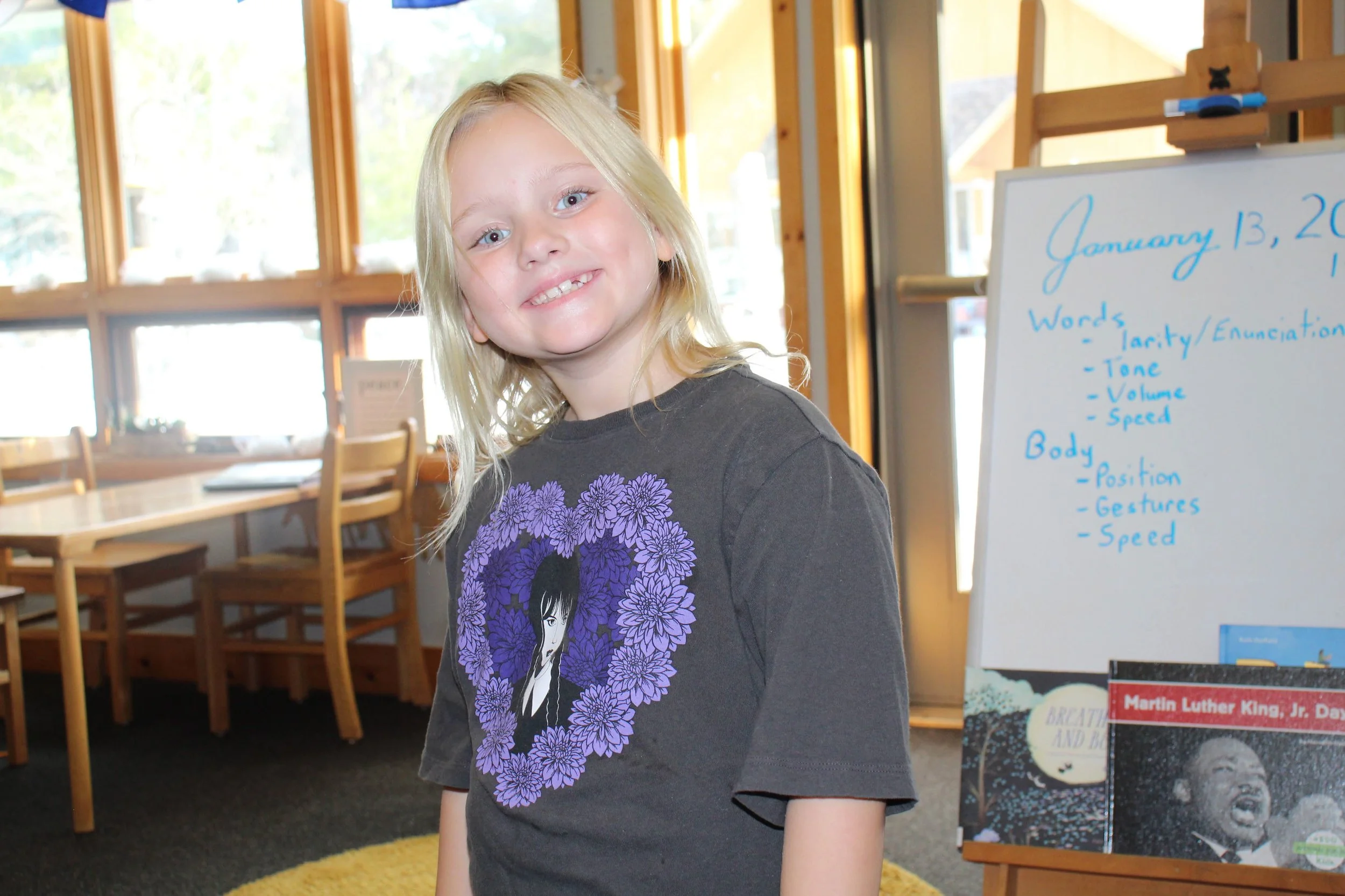
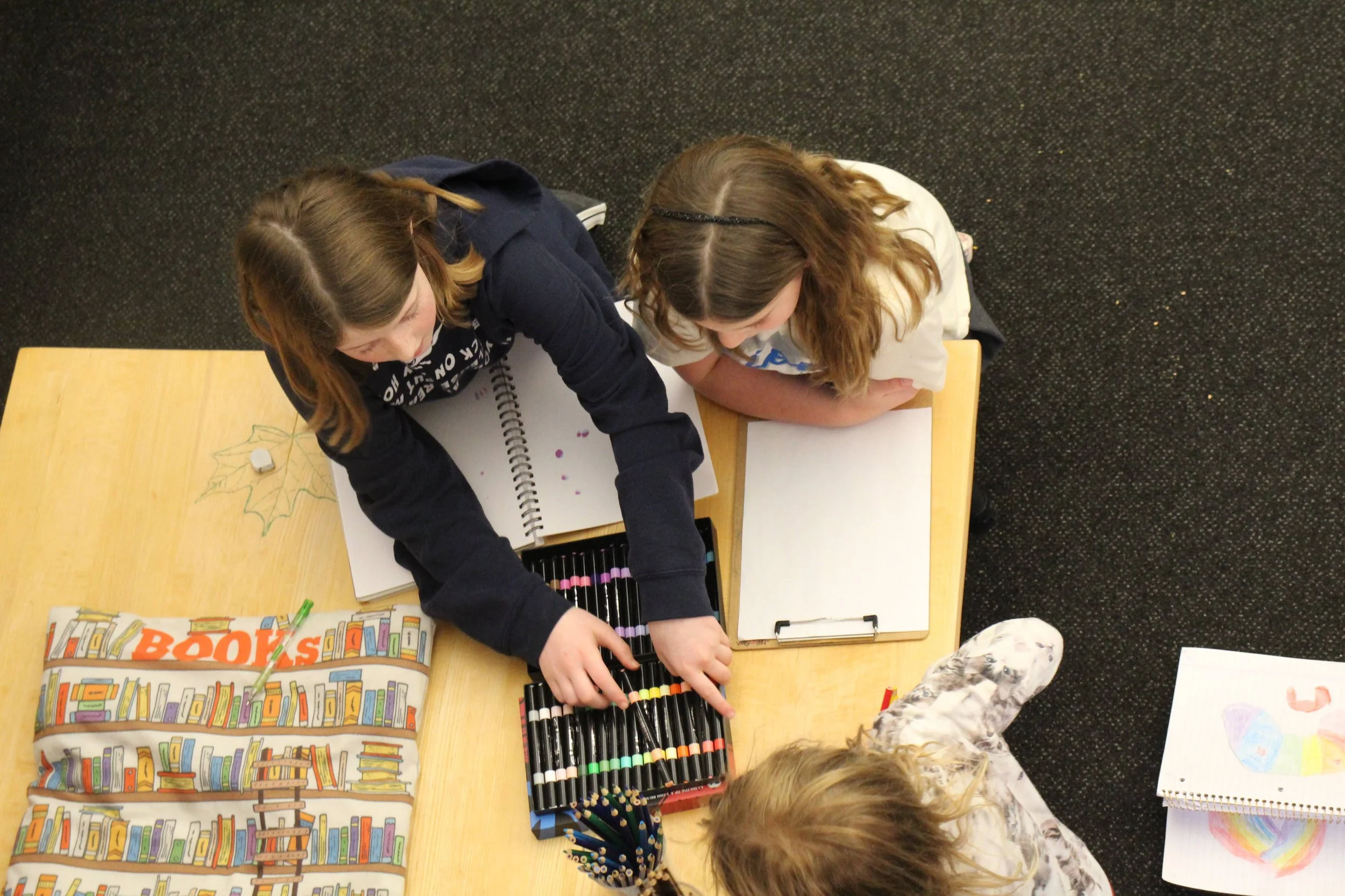
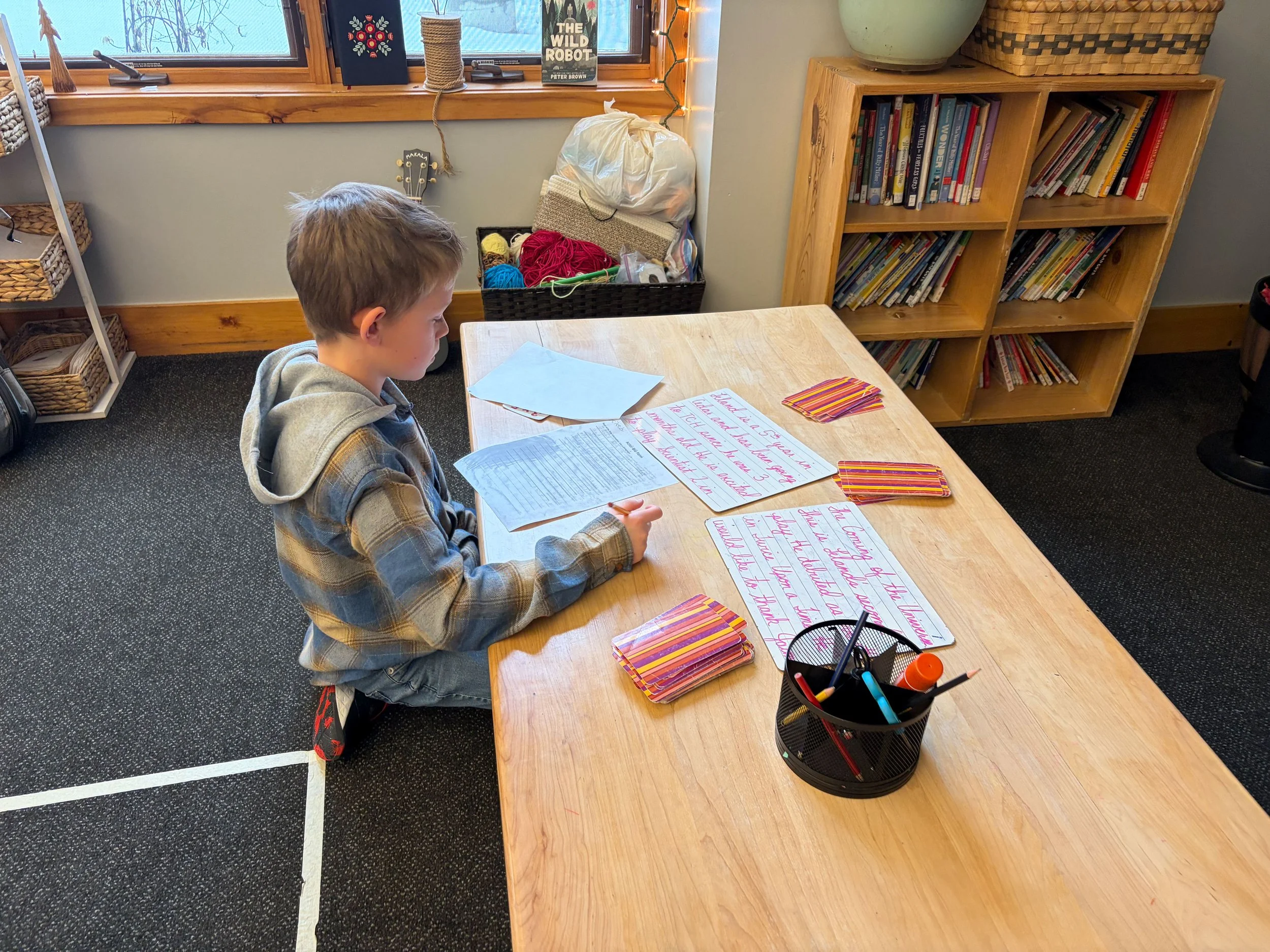
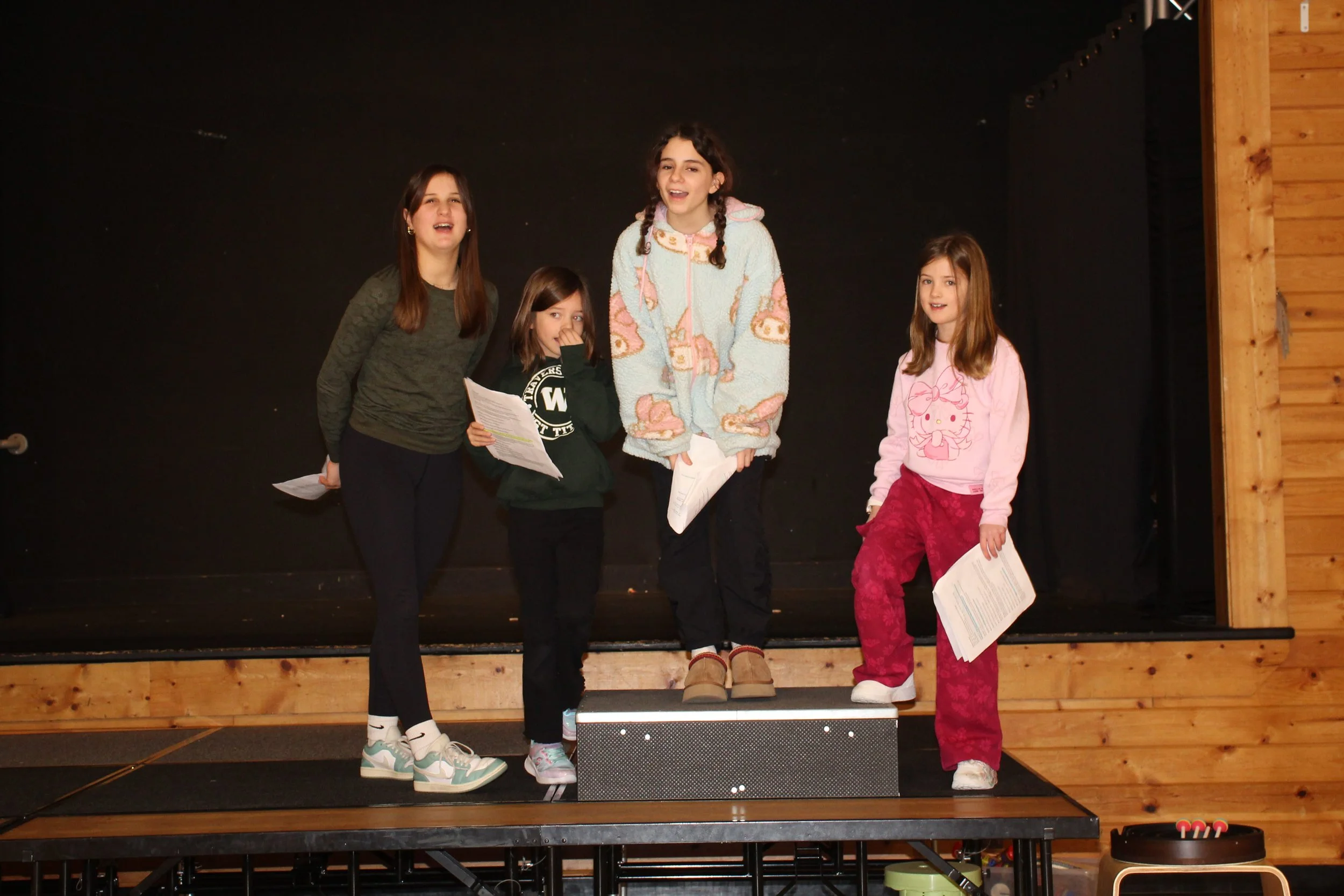
In the second week of theater we finished making our props. We did a rehearsal on stage. We played more fun improv games with Lisa like Mountain Echo, Whoosh-Boing-Pow, and Saying Lines in Unusual Ways. The musicians practiced Blue Boat Home and Koyaanisqatsi and making music for the dancers. The dancers finished choreographing the dance of the elements with fun movement. The scientists are excited that they get to wear lab coats. We had outdoor PE with Steve. We played the idiom game which is one of our favorites. We worked on forming our sphere with cardboard pieces. In art and music we worked on our props and our songs. We learned about the layers of the atmosphere, more facts about the universe, and created cosmic comics. At the end of the week we finished writing our actor biographies and took portraits.
Week One
Scene Two
By Bode and Wyn
We played some name games to get to know each other. We then acted out three different stories in two different ways, once without the problem and once with the problem. On Wednesday, we started the morning with more name games and theater games after we played counting games. Some people were really excited during the game so that made it hard. Then we had many lessons, including one on the big bang. It was very interesting.